Action Theater
The Improvisation of Presence
Ruth Zaporah's Action Theater: The Improvisation of Presence is a seminal text that defines a unique, physically-grounded approach to solo and ensemble improvisation. Published in 1995, the book documents the methodology Zaporah developed over decades as a performer and teacher. Action Theater is not a style of 'acting' in the traditional sense: it is a training in awareness that utilizes the body, the voice, and the imagination as a unified instrument for spontaneous creation.
Zaporah's method is built on the premise that the improviser's primary job is to be present to the immediate sensations of the moment. By stripping away the need to 'plan' or 'invent,' the performer allows action to emerge directly from the biological and emotional reality of the body. The book is structured around a series of 'exercises of presence' that move from the simple observation of breath and movement to complex explorations of sound, language, and space. It emphasizes 'the void' as the place from which all creativity springs, and teaches the performer to trust their impulses without judgment.
The text is highly experiential, written in a voice that is both poetic and technical. Zaporah provides detailed instructions for hundreds of exercises, often accompanied by 'check-ins' designed to help the student notice their own habits of thinking and moving. The ultimate goal of Action Theater is the 'embodied' performer: one who can move freely between physical abstraction and narrative reality, making choices that are surprising, honest, and profoundly alive.
Key Concepts
The state of being totally anchored in the immediate physical sensations of the now, rather than the memories of the past or plans for the future.
Using physical impulse as the lead for all dramatic action, preceding thought or verbalization.
Developing the voice as a physical instrument capable of producing sound as 'action' rather than just as a carrier of language.
The awareness of the environment (architecture, light, silence) as a dynamic force that shapes the performer's choices.
Training the mind to move laterally through images and sensations, avoiding the linear logic of traditional storytelling.
Who Benefits from Reading this Book
Actors and dancers looking for a rigorous, somatic training in spontaneity and presence.
Zaporah's method is particularly effective for those creating original work alone on stage.
Artists from the 'Chicago' or 'Johnstone' schools who want to deepen their physical awareness and emotional range.
Teachers looking for a comprehensive system for training the 'embodied' performer.
Reception & Legacy
Action Theater has had a profound influence on the world of contemporary performance. Ruth Zaporah is regarded as a master teacher, and her book is often described as a 'bible' for physical improvisers. Critics praise the text for its clarity, its depth, and its refusal to offer easy answers. It is frequently cited as a major influence on the development of 'Open Theater' and 'Post-Modern Dance' practices. Its focus on 'presence' makes it as much a guide for living as it is for performing.
Related Reading
See all books →
Improvisation On the Edge
Notes from On and Off Stage
Ruth Zaporah

Theatrical Improvisation, Consciousness, and Cognition
Clayton D. Drinko
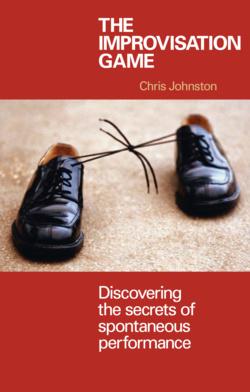
The Improvisation Game
Discovering the Secrets of Spontaneous Performance
Chris Johnston

The Young Actor's Book of Improvisation
Dramatic Situations
Sandra Caruso; Susan Kosoff
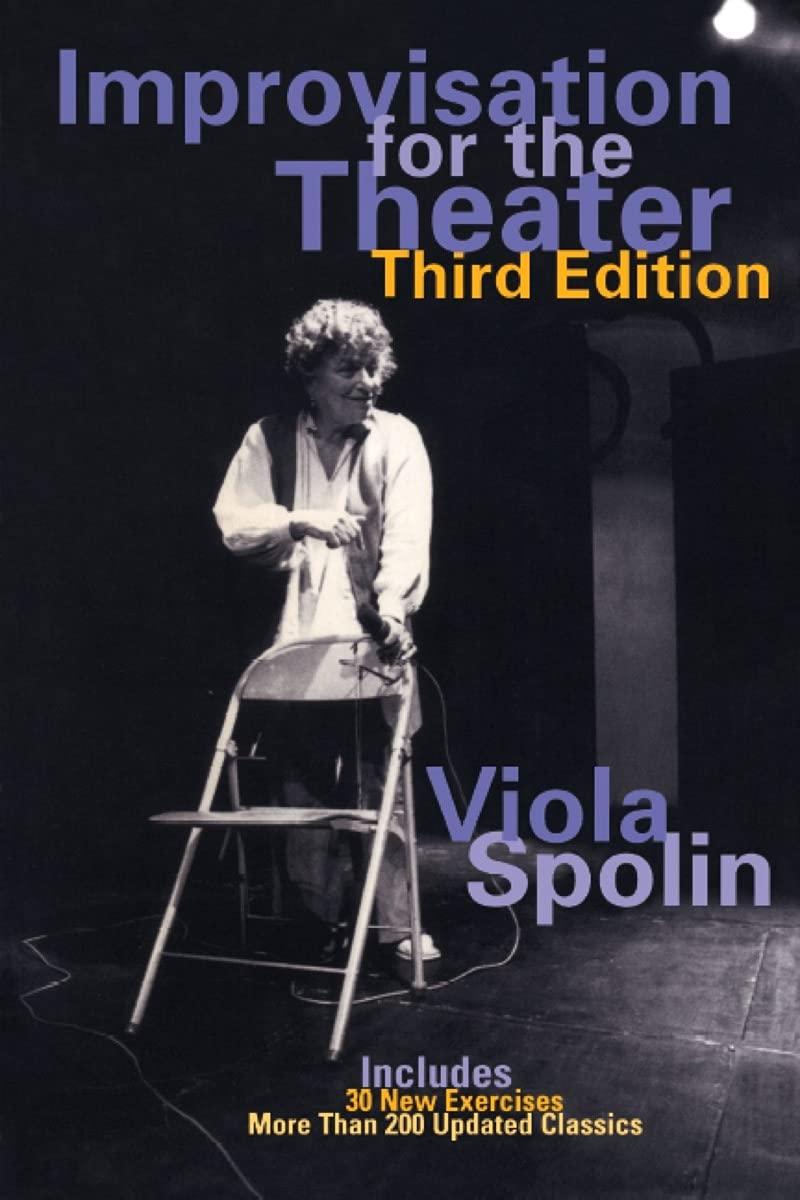
Improvisation for the Theater
A Handbook of Teaching and Directing Techniques
Viola Spolin

The Improv Illusionist
Using Object Work, Environment, and Physicality in Performance
David Raitt
About This Book
How to Reference This Page
The Improv Archive. (2026). Action Theater. Retrieved September 28, 2026, from https://improvarchive.org/books/action-theater-improvisation-of-presence
The Improv Archive. "Action Theater." The Improv Archive, 2026. https://improvarchive.org/books/action-theater-improvisation-of-presence.
The Improv Archive. "Action Theater." The Improv Archive, 2026, https://improvarchive.org/books/action-theater-improvisation-of-presence. Accessed September 28, 2026.
The Improv Archive is a systemically maintained repository. The archive itself acts as the corporate author.