Fake Ads is an applied improv exercise in which small teams create and perform a thirty-second television advertisement for an imaginary, impossible, or absurd product, including a dramatized pitch and an original jingle. The exercise uses the familiar format of commercial advertising as a scaffold for rapid creative collaboration, idea generation, and performance under time pressure.
Structure
Setup
Participants divide into teams of three to five. Each team receives a product prompt -- either assigned by the facilitator or generated by the group through word association or random selection. Products are typically impossible or absurd: a hat that tells the future, a reverse microwave, a subscription service for apologies.
Creation Phase
Teams have five to eight minutes to develop their advertisement. The ad must include: a product name, a dramatized benefit demonstration, a slogan, and a jingle (however brief). Teams must decide quickly -- there is not time for full consensus on every element.
Performance Phase
Each team performs their advertisement live, in real time, for the full group. No sets or props are required; everything is mimed or vocalized. Teams present in sequence.
Conclusion
The facilitator closes with a brief debrief recognizing specific moments of effective collaboration, creative risk-taking, or unexpected humor before moving into the broader learning conversation.
How to Teach It
Objectives
Fake Ads targets rapid ideation, collaborative decision-making under time pressure, comfort with imperfection, and the experience of committing to a creative direction without full certainty it will land. The performance requirement adds accountability to the creative process.
How to Explain It
"You're making a TV commercial. You have five minutes. The product is impossible -- that's the point. Find what's brilliant about it and sell it like you mean it."
Scaffolding
For groups new to improvisation, assign the product rather than asking teams to generate their own. A pre-determined prompt reduces the cognitive load of ideation and allows the creative energy to focus on development and performance.
Common Pitfalls
Teams often spend too long in planning and not enough time in rehearsal, arriving at the performance with a solid concept but no practice delivering it. The coaching note is that the jingle alone requires at least two run-throughs to land consistently. Build a brief rehearsal moment into the creation phase.
In Applied Settings
Learning Objectives
In applied settings, Fake Ads develops the creative collaboration skills that professional environments increasingly require but rarely practice: rapid idea generation, the willingness to build on a direction before it is fully formed, distributed creative ownership across a small team, and the courage to present work that is deliberately imperfect. The commercial format is familiar enough to be accessible and playful enough to lower the stakes of creative risk.
Workplace Transfer
The transfer to workplace innovation, pitch preparation, and cross-functional collaboration is direct. Teams that have created and performed a Fake Ad together have already navigated the micro-dynamics of collaborative creativity: whose idea leads, how disagreements are resolved under time pressure, what role each person plays in a shared creative product, and how to commit to a direction even when it is not perfect. These are the same dynamics that govern real product development, marketing, and strategic planning sessions.
Facilitation Context
Fake Ads is used in creativity and innovation workshops, team-building programs, communication training, and design thinking sessions. It works well as a midday energizer or as a standalone thirty-minute module. Groups of 12 to 30 work well, with teams of three to five performing for the full group.
Debrief Framing
Ask participants: "How did your team make decisions under the time pressure? Whose ideas shaped the ad? What did you have to let go of in order to keep moving? What does that feel like in your real work when you have to move before you're ready?"
Worth Reading
See all books →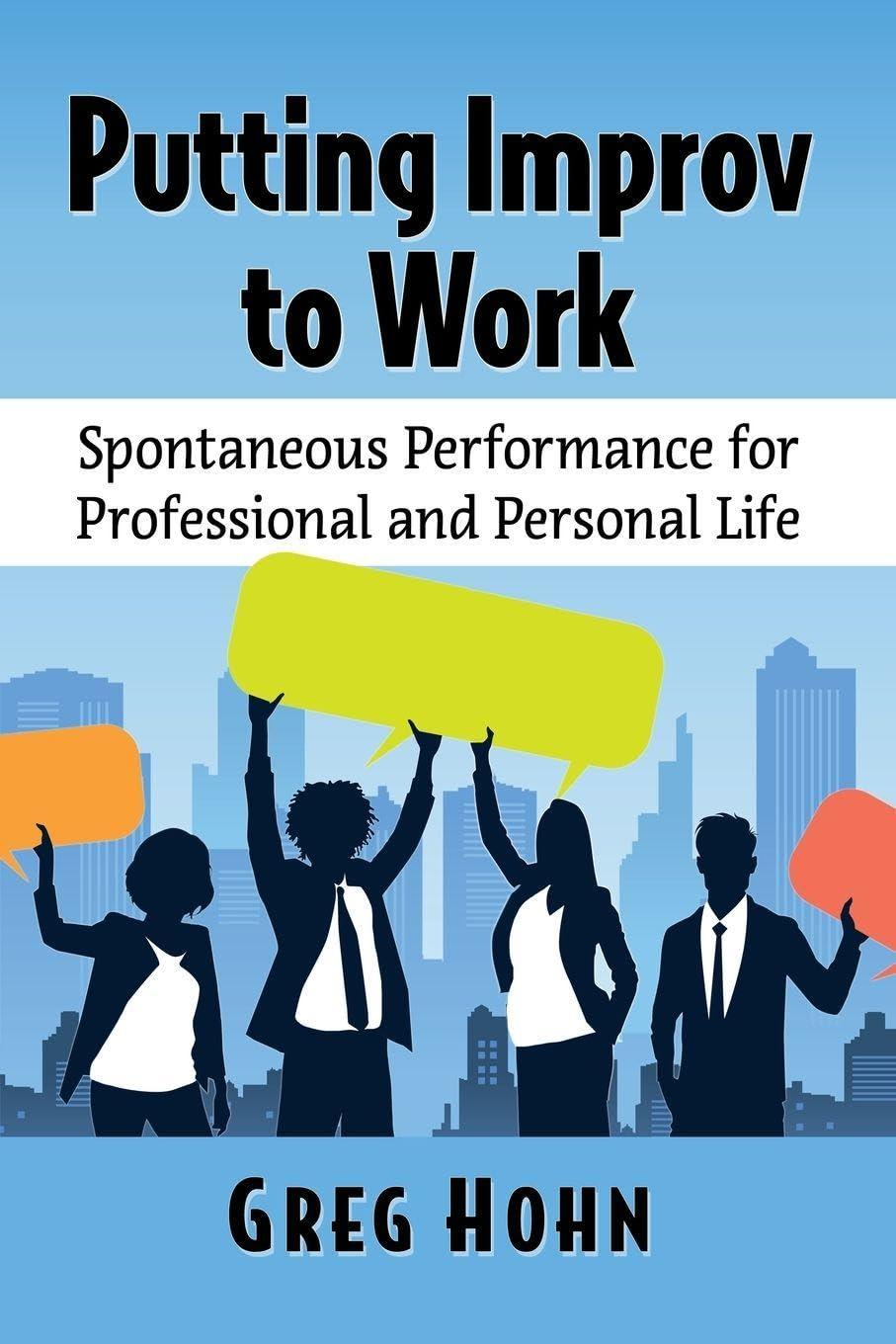
Putting Improv to Work
Spontaneous Performance for Leadership, Learning, and Life
Greg Hohn

Improvisation
Use What You Know, Make Up What You Don't
Brad Newton

Business Improv
Experiential Learning Exercises to Train Employees
Val Gee
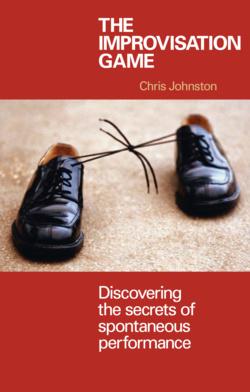
The Improvisation Game
Discovering the Secrets of Spontaneous Performance
Chris Johnston

Mask Improvisation for Actor Training and Performance
the compelling image
Sears A. Eldredge

Business Unscripted
Business is Improv
Ben Winter; Tara Hedberg
Related Exercises
Imaginary Ad Game
Imaginary Ad Game is a creative applied exercise in which groups create a complete advertising campaign for a product that does not exist -- then present it with the confident enthusiasm of a real pitch. Participants name the product, invent its features and benefits, create a tagline, and present the campaign as though the product were entirely real and the benefits entirely compelling. The exercise trains creative confidence, the ability to advocate for an idea before it is fully formed, and the improvisational skill of amplifying imagined value.
Generate New Ideas
Generate New Ideas is an applied improv exercise in which a group collectively invents a product from scratch -- naming it, developing taglines and jingles, assigning a celebrity spokesperson, and creating a brief promotional pitch -- through a rapid, collaborative ideation process. The exercise uses the product-invention framework as a vehicle for practicing group creativity, spontaneous Yes-And building, and comfort with presenting unfinished ideas with confidence.
Bad Ad Product Game
Groups create a product and ad campaign for something that does everything wrong. By revolving an object to view its weird sides, players discover creativity through inversion.
Create (and Sell) a Product That Can't Be Sold
Create (and Sell) a Product That Can't Be Sold is an applied improvisation exercise in which groups design and pitch a product that is inherently unsellable: ethically problematic, physically impossible, commercially absurd, or so niche as to have no viable market. Groups develop the product concept, a marketing campaign with slogan and target demographic, and present the full pitch to the group. The exercise develops creative thinking, persuasive communication, and comfort with absurdity.
The Lineage
Explore the schools and structures that influenced or evolved from Fake Ads.
Putting Improv to Work (Hohn)
How to Reference This Page
The Improv Archive. (2026). Fake Ads. Retrieved September 28, 2026, from https://improvarchive.org/exercises/fake-ads
The Improv Archive. "Fake Ads." The Improv Archive, 2026. https://improvarchive.org/exercises/fake-ads.
The Improv Archive. "Fake Ads." The Improv Archive, 2026, https://improvarchive.org/exercises/fake-ads. Accessed September 28, 2026.
The Improv Archive is a systemically maintained repository. The archive itself acts as the corporate author.