Parts of a Whole
Parts of a Whole is a group exercise in which players use their bodies to collectively form a suggested object, machine, or organism. One player steps forward and becomes a single part, adding movement and sound. Others join one at a time, each contributing a different component until the entire group has assembled into a functioning whole. Created by Viola Spolin, the exercise teaches ensemble awareness, physical spontaneity, and the discipline of serving the group creation rather than standing out as an individual.
Structure
Setup
Players stand in a loose cluster or semicircle with open space in the center. The facilitator or audience provides a suggestion for the object to be built: a car, a washing machine, a human body, a rainforest, a jazz band.
Progression
One player steps into the space and physically becomes a single component of the suggested object. They use their body to define the part's shape and add a repeating movement and sound. A player building a car engine might crouch and pump their arms while making a rhythmic chugging sound.
A second player observes what has been established and adds a complementary part. They position themselves in relation to the first player and add their own movement and sound. The two parts should interact visually and rhythmically, creating the impression of a connected system.
Remaining players join one at a time, each studying the growing structure before committing to a position and function. Every new addition must serve the whole rather than compete for attention. A player who adds a small, quiet part that connects two existing components contributes more than one who adds a large, loud part that operates independently.
The facilitator may coach the group to speed up, slow down, or adjust volume to create dynamic shifts in the machine's operation.
Conclusion
When all players have joined, the facilitator lets the machine run for a few moments at full operation, then brings it to a gradual stop or calls for a sudden freeze. The group steps out and observes the shape they created.
How to Teach It
Objectives
Parts of a Whole trains ensemble thinking. Players must observe before acting, contribute in service of what already exists, and maintain their part while staying aware of the whole. The exercise demonstrates that individual restraint often produces a more impressive collective result than individual ambition.
How to Explain It
"One person will step in and become a single part of the thing we are building. Add a movement and a sound. Then the next person watches what exists and adds a part that connects to it. Keep going until everyone is part of the machine. Your job is to serve what is already there, not to steal focus. A small gear that connects two big parts is more valuable than a big part that works alone."
Scaffolding
Start with concrete mechanical objects: a clock, a washing machine, a factory assembly line. These give players clear functional relationships to work with. As the group gains confidence, move to organic subjects (a rainforest ecosystem, a human digestive system) and then abstract concepts (Monday morning, the internet, a rumor spreading).
For younger or less experienced groups, the facilitator can assign the order of entry so no one has to decide when to step in. For advanced groups, let the organic timing of entries become part of the exercise.
Common Pitfalls
The most common issue is players who add large, attention-grabbing parts without connecting to what exists. Coach them to physically touch or position themselves adjacent to an existing player, creating visible connections in the structure.
A second issue is players who wait too long to join because they are searching for the perfect part. Encourage them to step in with a simple contribution rather than waiting for inspiration. The exercise rewards commitment over cleverness.
In Applied Settings
Learning Objectives
Participants experience what it means to contribute to a system that no single person controls. The exercise makes visible the dynamics of joining an existing team, adapting to established processes, and finding a role that serves the group rather than showcasing individual capability.
Workplace Transfer
Parts of a Whole creates a physical metaphor for organizational collaboration. Teams use it to explore how new members integrate into existing workflows, how individual contributions either support or fragment a collective effort, and what happens when people prioritize being noticed over being useful. The exercise is particularly effective in onboarding contexts, cross-functional team formation, and leadership programs focused on servant leadership.
Facilitation Context
Best used as an energizer or ensemble-building exercise in team workshops, off-sites, or training programs. Works well for groups of eight to twenty. Larger groups can split into two machines and observe each other. The physical nature of the exercise gets participants out of their chairs and into their bodies, which shifts group energy effectively.
Debrief Framing
Ask: "What did you notice about how the machine came together? Did anyone change their plan after seeing what was already built? What is the difference between a part that connects to the whole and a part that operates independently? How does this relate to joining an existing team or project?"
Skills Developed
History
Parts of a Whole originates in Viola Spolin's work on theater games, published in her 1963 book Improvisation for the Theater. Spolin developed the exercise as part of her approach to ensemble training, where the group learns to function as a single creative unit. The exercise appears in Spolin's catalog under variations including "Add a Part" and "Orientation: Adding a Part to a Whole." It has since become one of the most widely adopted exercises in improv training worldwide, commonly known in simplified form as The Machine.
Worth Reading
See all books →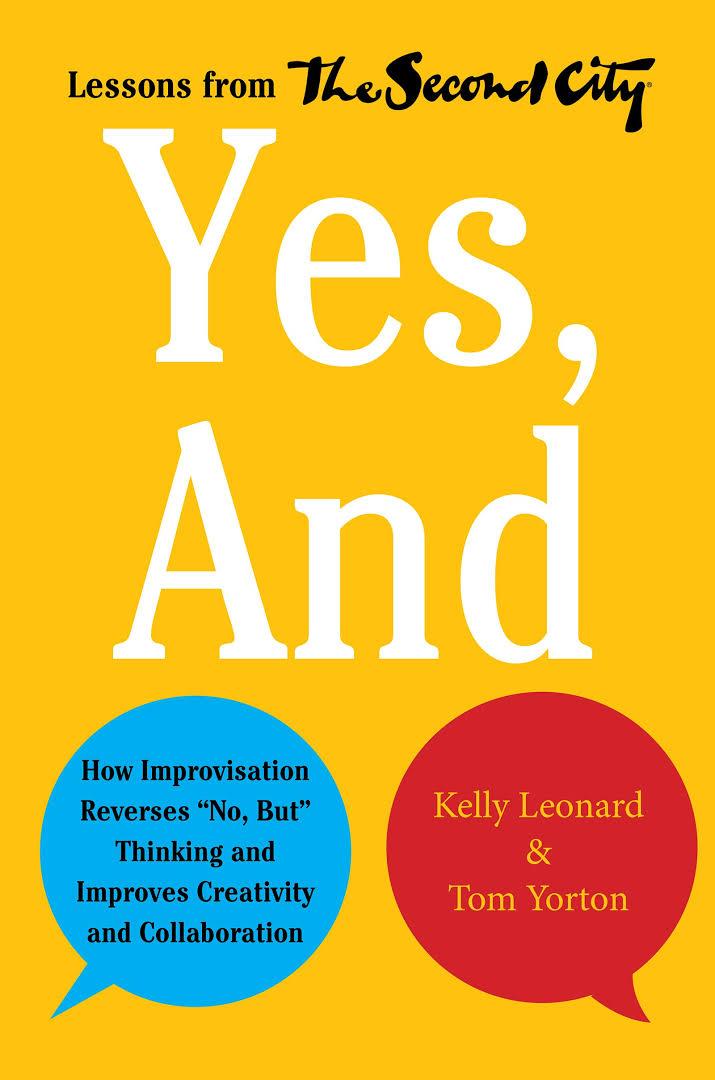
Yes, And
How Improvisation Reverses No, But Thinking and Improves Creativity and Collaboration
Kelly Leonard; Tom Yorton
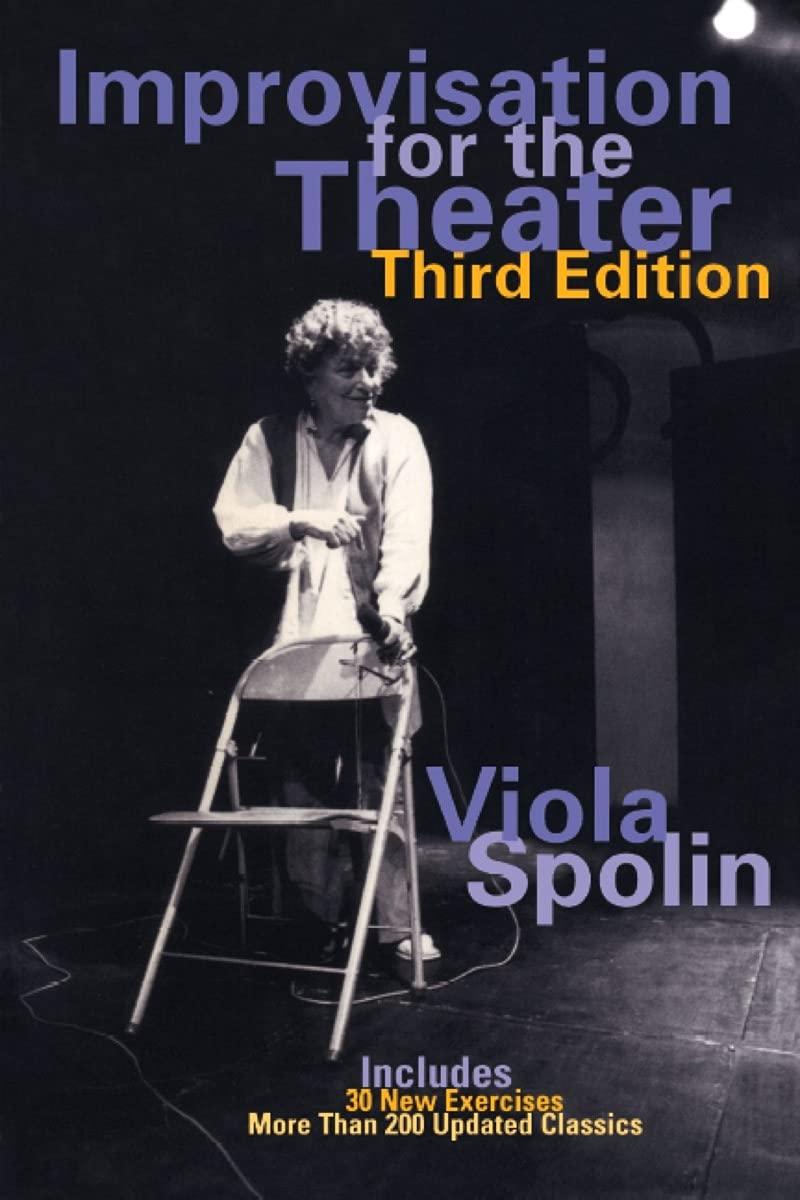
Improvisation for the Theater
A Handbook of Teaching and Directing Techniques
Viola Spolin
Theater Games for Rehearsal
Viola Spolin
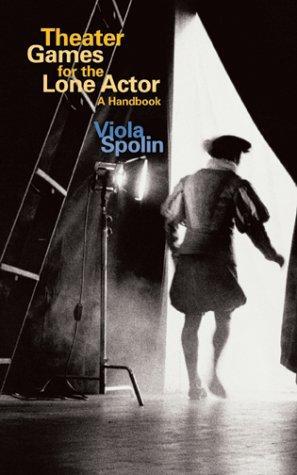
Theater Games for the Lone Actor
Viola Spolin

The 5 Elements of Improv
How to Take Your Improv to the Next Level
Andrew M. Spragge; Karen L. Eichler

Group Improvisation
The Manual of Ensemble Improv Games
Peter Campbell Gwinn; Charna Halpern
Related Exercises
Complete Bodies
Complete Bodies is a physicality exercise in which players practice using their entire body to communicate rather than relying primarily on face and hands. The exercise challenges performers to express emotional states, status, and character through the spine, torso, hips, and legs as well as through their more habitual expressive channels. It builds physical range and presence for scene work and performance.
Machine
Machine is a group exercise in which one player starts a repeating movement and sound, and the rest of the group joins one at a time until the ensemble becomes one interlocking human machine. Each new part has to connect to what is already happening instead of operating as a separate solo. The exercise trains timing, ensemble awareness, physical commitment, and the habit of building something together in full view of the room.
Rhythm Machine Part One: The Blank Machine
The Blank Machine is the first part of a three-part rhythm machine sequence in which participants build a group 'machine' by adding repeating sounds and movements one at a time. Each person contributes a distinct mechanical component, creating an interlocking system of rhythm, sound, and motion that represents the ensemble working as a unified whole.
Leading with Body Parts
Leading with Body Parts is a physical character and presence exercise in which participants walk through the space leading with a designated body part -- the nose, the chin, the chest, the knee, the pelvis -- and observe how leading with each part generates a distinct physical character, quality of movement, and emotional tone. The exercise demonstrates that character lives in the body, and that specific physical choices produce specific psychological and emotional realities.
Orchestra
Orchestra is a group exercise in which players create a collective musical composition using voices, body percussion, and physical gesture. A conductor cues volume, tempo, solo moments, and ensemble dynamics. The exercise trains ensemble responsiveness, collective listening, and the ability to follow and surrender to shared direction without losing individual contribution.
Bobsledding Bodies
Bobsledding Bodies is a physical warm-up exercise in which players form a tight line and navigate the space together, shifting direction and speed as a unit. The exercise builds group awareness, physical coordination, and the ability to respond as an ensemble to subtle changes in momentum.
The Lineage
Explore the schools and structures that influenced or evolved from Parts of a Whole.
Yes, And (Kelly Leonard & Tom Yorton)
How to Reference This Page
The Improv Archive. (2026). Parts of a Whole. Retrieved September 28, 2026, from https://improvarchive.org/exercises/parts-of-a-whole
The Improv Archive. "Parts of a Whole." The Improv Archive, 2026. https://improvarchive.org/exercises/parts-of-a-whole.
The Improv Archive. "Parts of a Whole." The Improv Archive, 2026, https://improvarchive.org/exercises/parts-of-a-whole. Accessed September 28, 2026.
The Improv Archive is a systemically maintained repository. The archive itself acts as the corporate author.