Sculptors
Sculptors is a physical exercise in which one player physically shapes another's body into a specific pose, treating them as clay. The sculpted player holds whatever position they are placed in, responding to the sculptor's hands without resistance. The exercise builds physical trust, spatial awareness, and the ability to communicate intentions through another person's body without using words.
Structure
Basic Form (Paired)
Pairs form. One player is the sculptor; the other is the clay. The sculptor may physically move the clay's limbs, head, and torso into any position. The clay player follows without resistance: accepting each placement fully and holding it once the sculptor's hands withdraw. The sculptor has a time limit and a goal: creating a specific shape, emotion, or image.
The sculptor steps back and observes the finished sculpture from multiple angles. The clay holds until released.
Image Theatre Sequence
Augusto Boal documents a progression of sculpting variations in Games for Actors and Non-Actors:
- The sculptor touches the model. Physical contact only , the sculptor moves the model's body directly.
- The sculptor does not touch the model. The sculptor gestures or mirrors the desired position; the model must read and replicate without contact.
- Sculptors spread out. Multiple sculptor-clay pairs work simultaneously in the same space.
- Sculptors fashion a single sculpture together. Multiple sculptors work on a single model simultaneously, negotiating through action.
- Sculpture with four or five people. Multiple bodies are combined into a single group sculpture.
Art Gallery Variant
Chris Abbott documents a version in which all clay players hold their positions while all sculptors circulate as gallery visitors, discussing and describing each sculpture as a work of art. This adds a reflective, verbal layer to the physical exercise.
Contagion Variant
Brian Mark documents a version in which sculptures become contagious: a sculptor may move to sculpt another sculptor, who must instantly become a statue. Multiple sculptors may work on a single statue simultaneously.
How to Teach It
How to Explain It
"One of you is the clay. One is the sculptor. Sculptor, mold your partner into a specific shape: a person, a feeling, an idea. Use your hands gently and precisely. Clay, hold the shape. When the sculptor steps back, the clay holds still. We see what was made."
Objectives
Scultpors develops physical trust, non-verbal communication, and spatial awareness in two directions simultaneously. The sculptor learns to communicate intent through physical placement rather than instruction. The clay player learns to receive physical input without interpreting, anticipating, or resisting.
The exercise also trains performers to observe shape: sculptors must develop a clear mental image of what they are trying to create before they begin, then translate that image through their hands.
Facilitation Notes
Brief both roles before beginning:
For clay players: "Hold whatever position you're given. Don't help. Don't anticipate what comes next. Let your body be moved."
For sculptors: "Know what you want to make before you start. Work from the largest shapes first , torso and legs , then details."
Watch for sculptors who give verbal instructions rather than physical ones. The exercise requires physical communication; language collapses it.
Debrief Prompt
After the exercise: ask sculptors what they made and ask clay players to guess. Discrepancies reveal how much each role communicates and where the gaps in physical language lie.
Applied Use
In Boal's original context, ask sculptors to sculpt images of power relationships, conflict, or oppression from their own experience. The tableau then becomes a starting point for collective analysis and transformation. This use requires careful facilitation and is distinct from the warm-up function.
History
The sculpting technique was developed as a central method within Augusto Boal's Image Theatre, a form of Theatre of the Oppressed developed in Brazil and refined through Boal's work in exile in Europe during the 1970s. Image Theatre uses sculpting as a non-verbal, non-literary language: participants sculpt images of oppression, power, desire, and social reality using each other's bodies, creating tableaux that can be read, discussed, and transformed collectively.
Boal's sculpting technique appears in Games for Actors and Non-Actors (1992) as a systematic progression from direct physical contact through mirror-based communication to group sculpting. The technique has been adopted widely in improv pedagogy, where it is used primarily as a trust and physical awareness exercise rather than in its original function as a tool for analyzing social reality.
In improv and drama education contexts, versions of the exercise appear under multiple names: Sculptors, Clay and Sculptor, Living Statues, and related formulations. Mary Keller documents a paired collaborative version in Improvisations in Creative Drama; Chris Abbott documents the art gallery format in The Improvisation Book.
Worth Reading
See all books →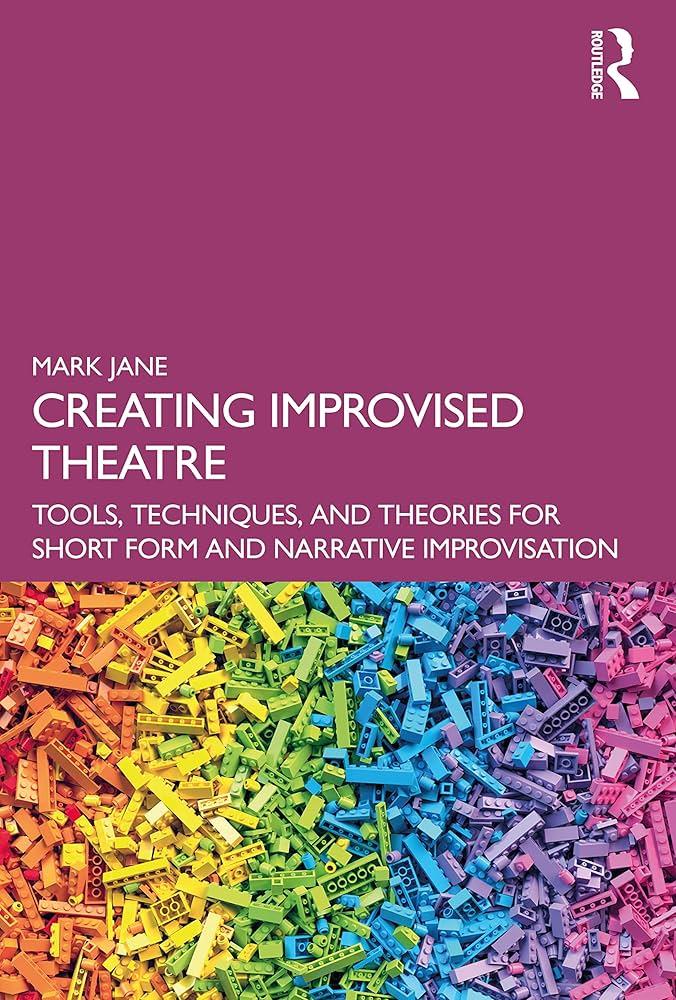
Creating Improvised Theatre
Tools, Techniques, and Theories
Mark Jane

Mask Improvisation for Actor Training and Performance
the compelling image
Sears A. Eldredge

Improvisations in Creative Drama
A Program of Workshops
Betty Keller
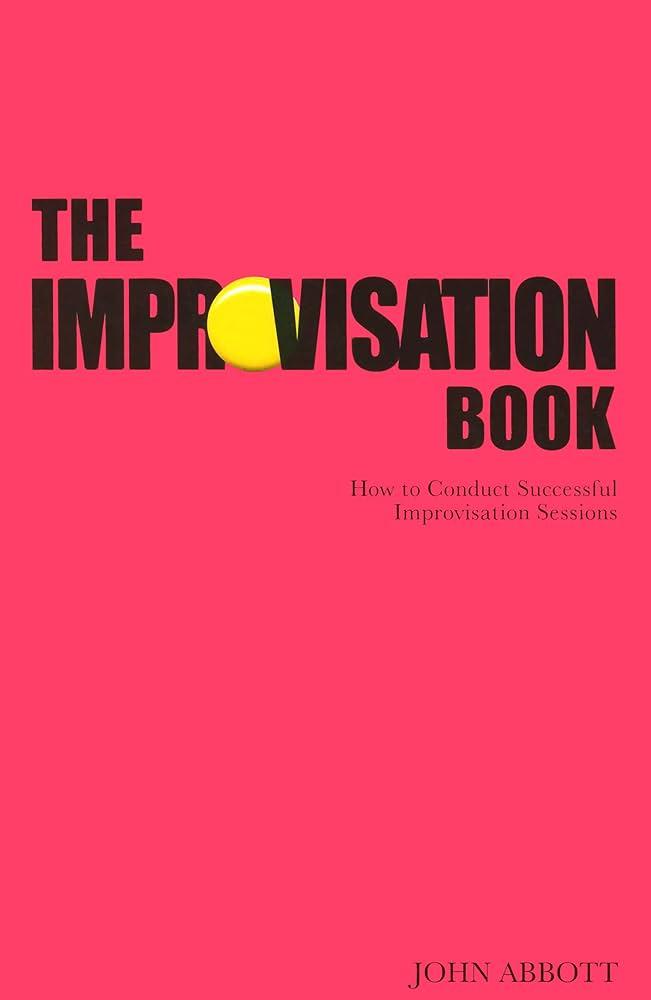
The Improvisation Book
How to Conduct Successful Improvisation Sessions
John S.C. Abbott
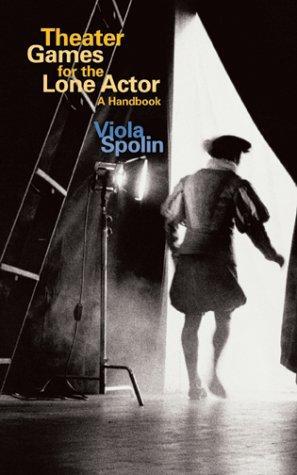
Theater Games for the Lone Actor
Viola Spolin
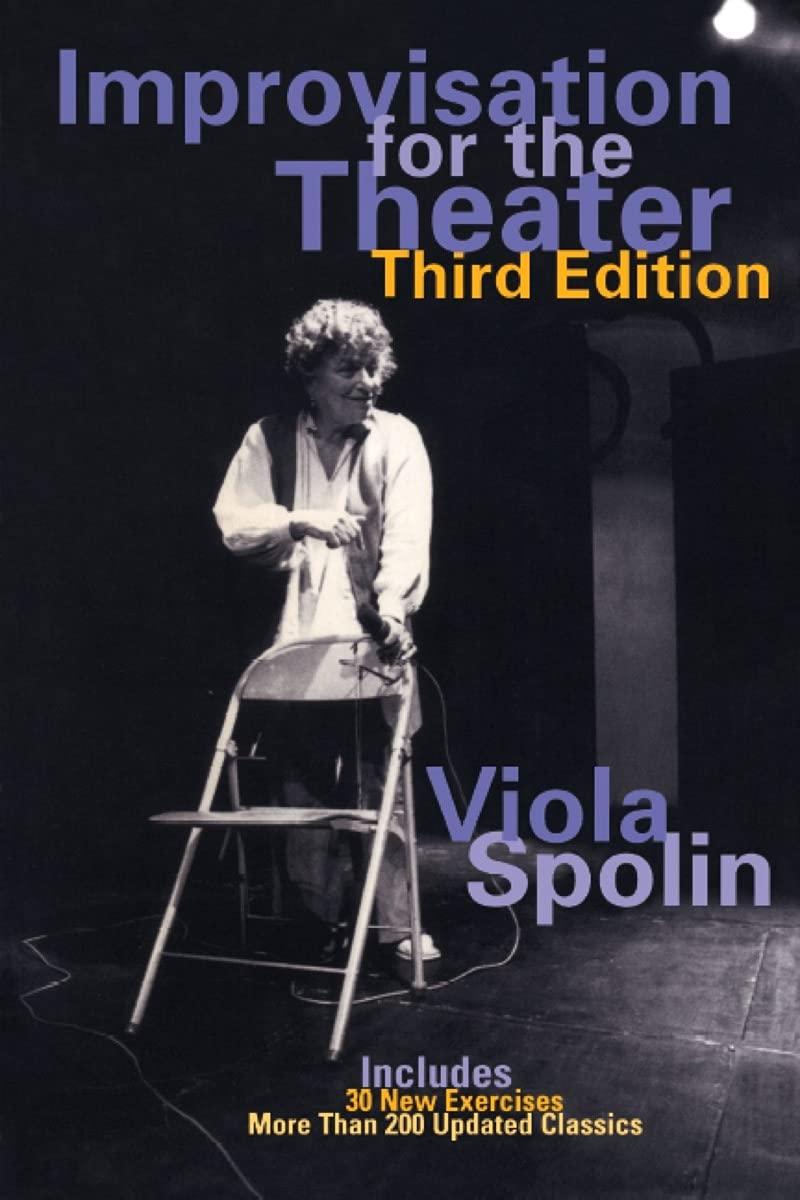
Improvisation for the Theater
A Handbook of Teaching and Directing Techniques
Viola Spolin
Related Exercises
Statues
Statues is a family of exercises and games in which players freeze or are sculpted into specific physical positions and must then commit to, justify, or animate from those positions. The game teaches that physicality can precede and generate narrative: when the body is placed in a specific shape, the character and scene emerge from what the body already knows. Statues appears in improv, Image Theatre, applied settings, and children's game traditions.
Artist Model Clay
Artist Model Clay is a sculpting exercise in which one player shapes another player's body into a pose or tableau as if working with clay. The "clay" player remains passive and allows themselves to be positioned. The exercise builds trust, physical awareness, and comfort with close physical contact in a creative context.
Swedish Sculptors
Swedish Sculptors is a variation of the Sculptors exercise in which players speak in mock Swedish or another invented language while sculpting their partners. The exercise combines physical character work with the vocal freedom of gibberish, creating a playful environment for exploring status, intention, and physical expression.
Objects
Objects is an ensemble exercise and short-form game in which players use their bodies to form the physical shape of an audience-suggested object. Players enter one at a time, each adding themselves to the growing sculpture until the group collectively represents the object in physical space. The exercise builds spontaneous physicality, spatial awareness, and the ensemble skill of offering and accepting physical contributions without verbal negotiation.
Imitate
Imitate is an observation exercise in which players study and reproduce the specific physical mannerisms, vocal patterns, and behavioral habits of another person in the group. The exercise sharpens observational detail and builds the ability to embody external characteristics with precision. Close observation reveals how much personality is communicated through small, habitual movements: the way someone shifts weight, the rhythm of their speech, the angle of their head when listening. Imitate develops the skill set needed for character work grounded in real-world observation rather than invention.
Making Faces
Making Faces is a warm-up exercise in which players practice exaggerated facial expressions, cycling through emotions, mirroring a partner, or responding to facilitator prompts. The exercise loosens inhibition around physical expressiveness and helps performers discover how facial choices communicate character and emotion instantly. Many performers rely primarily on voice and words; Making Faces redirects attention to the face as a primary communication instrument. The exercise serves as an accessible entry point for physical comedy work and character creation.
How to Reference This Page
The Improv Archive. (2026). Sculptors. Retrieved September 28, 2026, from https://improvarchive.org/exercises/sculptors
The Improv Archive. "Sculptors." The Improv Archive, 2026. https://improvarchive.org/exercises/sculptors.
The Improv Archive. "Sculptors." The Improv Archive, 2026, https://improvarchive.org/exercises/sculptors. Accessed September 28, 2026.
The Improv Archive is a systemically maintained repository. The archive itself acts as the corporate author.