Take That Back
Take That Back is an exercise in which players improvise a scene and when the leader rings a bell, the speaking actor must replace their last line with something different. The exercise trains performers to generate multiple possibilities for any moment and demonstrates that the first idea is rarely the best.
Structure
Setup
Two performers begin an improvised scene. The facilitator or a designated participant holds a bell or makes a sound signal.
The Scene Begins
Performers play the scene naturally. At any moment the facilitator rings the bell.
The Take Back
When the bell rings, the speaking performer must take back their last line and replace it with something completely different. They cannot repeat the same idea in different words. The replacement must be genuinely new.
Multiple Takes
The bell can ring again immediately after the replacement. The performer takes that back and tries again. The exercise can require a single performer to generate four or five entirely different versions of the same moment.
Continuation
Once the bell stops and a line stands, the scene continues from that line. The partner accepts it and builds forward as usual.
Reflection
After the exercise, participants discuss which versions of each moment were most interesting and whether the first instinct or a later choice tended to produce stronger material.
How to Teach It
Objectives
Take That Back develops generativity by demonstrating that any moment has multiple valid responses. The exercise challenges over-reliance on first instincts and builds confidence in the performer's ability to access alternatives under pressure.
How to Explain It
"Play the scene. When I ring the bell, whoever just spoke must take back their last line and say something completely different. Not the same idea with different words. Genuinely different."
Scaffolding
Before the full exercise, have performers practice rapid alternative generation without the scene context. Give them a line and ask for five completely different responses. This establishes the cognitive habit before adding the performance pressure.
Common Pitfalls
The most common issue is performers who generate superficially different lines that are essentially the same emotional move. "Get out" and "Leave this house" are the same line. Push performers to find alternatives that change the scene's direction, not just the wording.
In Applied Settings
Creative Problem Solving
Take That Back demonstrates the value of generating multiple options before committing to a solution. In professional contexts, teams often accept the first workable solution rather than exploring whether better options exist. The exercise builds the habit of generating alternatives before choosing.
Brainstorming Facilitation
The bell mechanic can be applied directly to idea generation sessions. When a team's brainstorm stalls on obvious solutions, facilitators can use the Take That Back principle to require participants to discard their current idea and try again.
Facilitation Notes
In professional settings, debrief by asking participants which of their generated alternatives was most interesting and whether it was their first or a later instinct. The conversation naturally surfaces the relationship between creative confidence and idea quality.
Skills Developed
Worth Reading
See all books →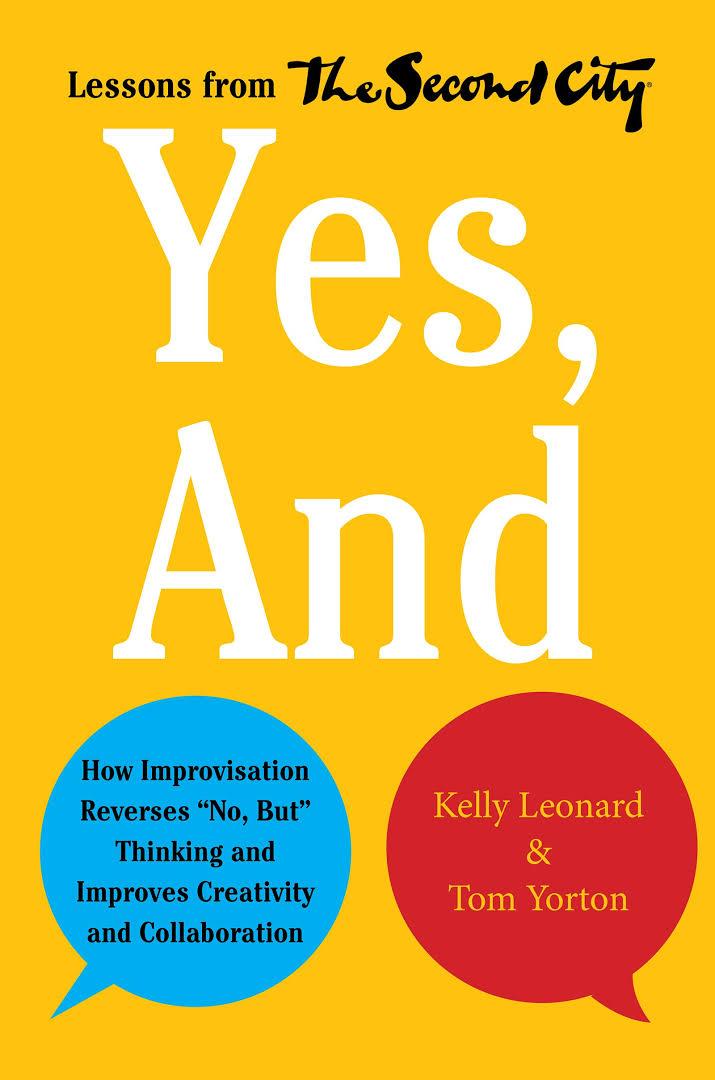
Yes, And
How Improvisation Reverses No, But Thinking and Improves Creativity and Collaboration
Kelly Leonard; Tom Yorton

Improvising Now
A Practical Guide to Modern Improv
Rob Norman

The 5 Elements of Improv
How to Take Your Improv to the Next Level
Andrew M. Spragge; Karen L. Eichler
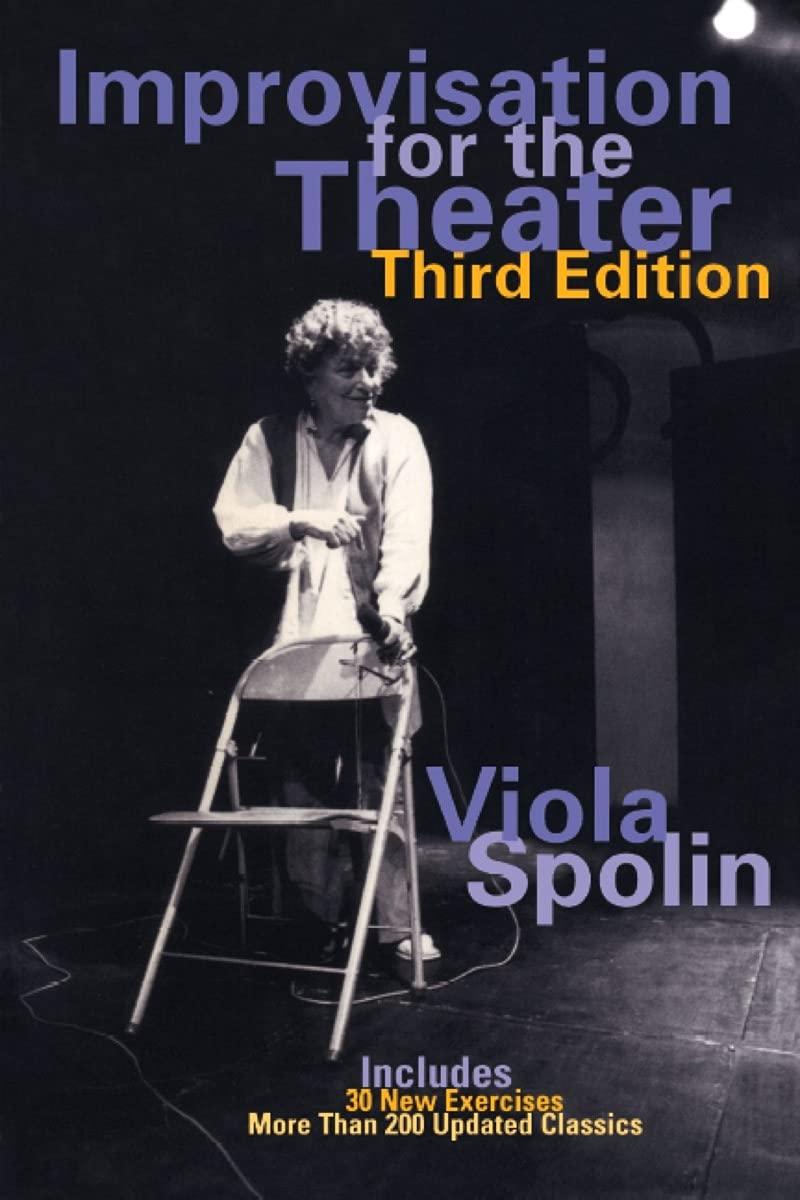
Improvisation for the Theater
A Handbook of Teaching and Directing Techniques
Viola Spolin

Improvisation
Use What You Know, Make Up What You Don't
Brad Newton

Improvisation Starters
A Collection of 900 Improvisation Situations for the Theater
Philip Bernardi
Related Exercises
Back to Back
Back to Back is a trust and connection exercise in which two players sit or stand with their backs pressed together and work together on a physical or verbal task without the benefit of eye contact. Common tasks include standing up simultaneously from a seated position, telling a collaborative story, or mirroring each other's movements through physical pressure alone. The absence of visual cues forces participants to communicate through weight, pressure, breath, and vocal tone, developing a physical listening channel that operates independently of sight. The exercise appears across multiple performance traditions, from Augusto Boal's Games for Actors and Non-Actors to John Abbott's The Improvisation Book, and is one of the most widely used partner exercises in both improv training and applied improvisation settings.
Rewind and Unblock
Rewind and Unblock is a coaching exercise in which a facilitator stops a scene at a point where it has stalled or gone off track, rewinds to a specific moment, and asks the performers to make a different choice. The exercise teaches performers to recognize blocking patterns and practice alternative responses in real time.
Give and Take
Give and Take is a foundational scene technique and exercise in which performers practice transferring and sharing focus within a scene. Only one action, conversation, or event holds the audience's attention at a time, and performers must silently negotiate who has focus and who yields it. The exercise trains the essential ensemble skill of knowing when to step forward and when to step back, making it one of the most important exercises for developing group awareness. Give and Take is used in both theatrical improv and applied improvisation settings, where it teaches collaborative turn-taking and active listening.
Repeat and Add
Repeat and Add is an exercise in which performers replay a sequence of actions or dialogue, adding one new element with each repetition. The growing accumulation trains memory, physical precision, and the ability to commit to established choices while continuing to build.
Copy Line
Copy Line is a scene exercise in which one performer repeats back the exact words their partner just said before delivering their own new line. The mandatory echo forces performers to genuinely hear what was said before responding, building the habit of listening-before-speaking and preventing the common improv drift of planning the next line while the partner is still talking.
Simple Continuation
Simple Continuation is a scene exercise in which a facilitator starts a scene with a basic premise and the performers continue from that point, practicing the skill of receiving an offer and building on it without the pressure of initiating from scratch.
The Lineage
Explore the schools and structures that influenced or evolved from Take That Back.
Yes, And (Kelly Leonard & Tom Yorton)
How to Reference This Page
The Improv Archive. (2026). Take That Back. Retrieved September 28, 2026, from https://improvarchive.org/exercises/take-that-back
The Improv Archive. "Take That Back." The Improv Archive, 2026. https://improvarchive.org/exercises/take-that-back.
The Improv Archive. "Take That Back." The Improv Archive, 2026, https://improvarchive.org/exercises/take-that-back. Accessed September 28, 2026.
The Improv Archive is a systemically maintained repository. The archive itself acts as the corporate author.