The Interviewing Process
The Interviewing Process is an applied exercise in which participants practice the dynamics of job interviews from both sides, using improvisational techniques to develop genuine presence, spontaneous response, and the ability to communicate under evaluation. The exercise treats the interview as a mutual scene with stakes for both parties.
Structure
The Setup
Participants pair up: one plays the interviewer, one the candidate. The facilitator provides a job role and a brief context, but neither participant receives scripted questions or prepared answers.
The Interview
The interviewer conducts a genuine interview using curiosity rather than a checklist. The candidate responds spontaneously, using whatever comes to mind, committing to their answers fully.
Role Reversal
After several minutes, participants switch roles. The former interviewer becomes the candidate for a different role.
Debrief
The group discusses what made certain responses land well, what presence looked and felt like from both sides, and how improvisation principles informed the quality of the exchange.
How to Teach It
Objectives
The Interviewing Process trains participants in the specific applied improv skills most useful in interview contexts: listening fully before responding, committing to answers without over-preparation, and maintaining genuine presence under evaluation.
Facilitation Notes
Encourage interviewers to follow curiosity rather than procedure. The best interviews in the exercise are conversations, not interrogations. Coach interviewers to build on what candidates offer.
Common Pitfalls
Candidates often perform rather than respond, retreating into rehearsed-sounding answers even without preparation. Remind them that the exercise asks for authentic reaction, not optimal presentation.
In Applied Settings
Career Development Workshops
The Interviewing Process is used in professional development programs to build interview confidence through low-stakes practice. Participants discover that authentic responses are more compelling than polished ones.
HR and Talent Training
Interviewers practice active listening and genuine curiosity rather than checklist compliance, developing the relational skills that identify the best candidates.
Communication and Presence Coaching
Facilitators use the exercise to demonstrate that presence, the quality of attention brought to the room, is trainable and that improvisation principles develop it directly.
Skills Developed
Worth Reading
See all books →
Business Improv
Experiential Learning Exercises to Train Employees
Val Gee
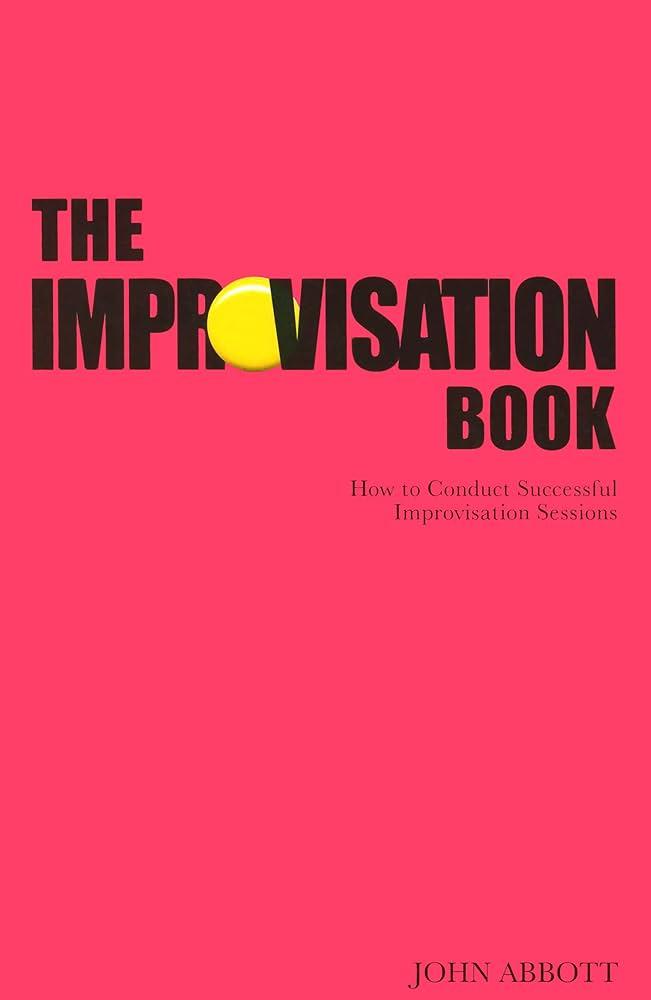
The Improvisation Book
How to Conduct Successful Improvisation Sessions
John S.C. Abbott
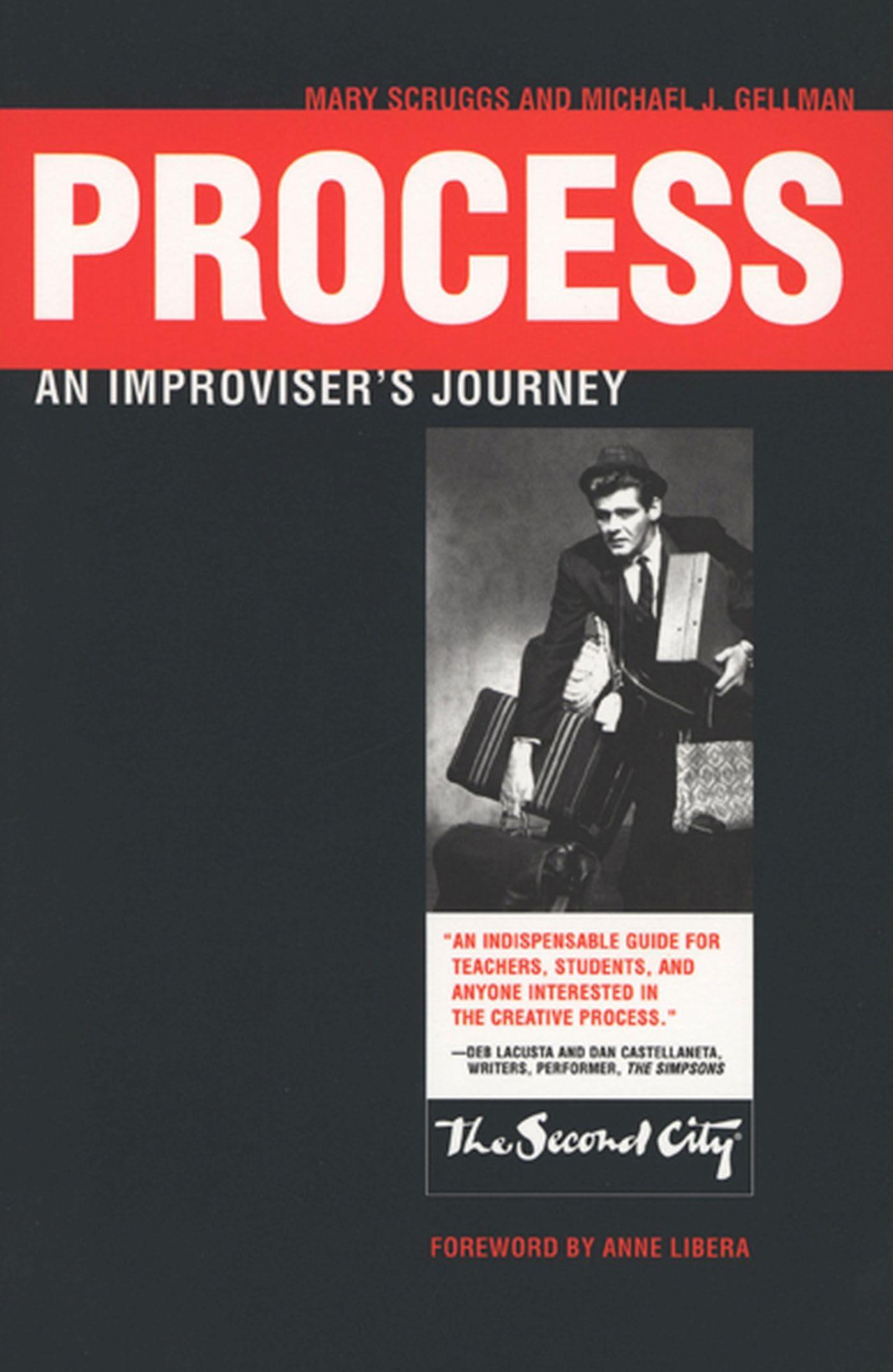
Process: An Improviser's Journey
Mary Scruggs; Michael J. Gellman
The Improvisation Game
Discovering the Secrets of Spontaneous Performance
Chris Johnston
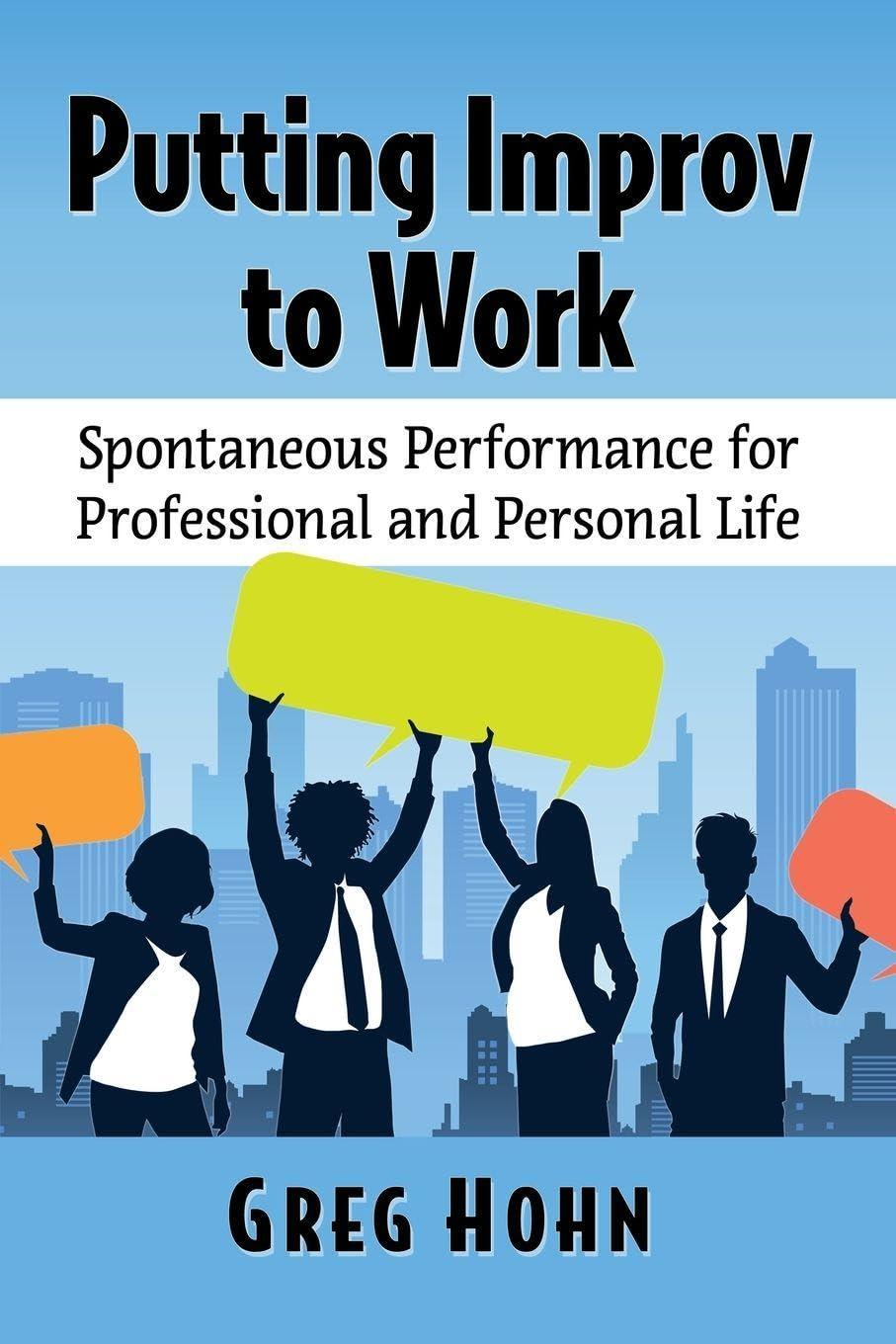
Putting Improv to Work
Spontaneous Performance for Leadership, Learning, and Life
Greg Hohn

The Applied Improvisation Mindset
Tools for Transforming Individuals, Organizations, and Communities
Theresa Robbins Dudeck; Caitlin McClure
Related Exercises
Building Rapport
Structured activities for establishing connection and trust with colleagues through improvisational active engagement.
Performing Curiosity
Performing Curiosity is an applied improvisation exercise in which participants practice embodying genuine curiosity through three specific conversational directions: listening for what is new, asking open questions, and focusing attention outward. The core insight is that performing curiosity, even when it feels like pretending, generates genuine curiosity. The exercise develops listening, empathy, and the ability to shift attention away from internal judgment and toward a conversation partner.
Performance of an Audience
Performance of an Audience is an applied improvisation exercise that explores the reciprocal relationship between performer and spectator. Participants experience both roles, discovering how the quality of attention an audience gives shapes the performer's experience and how conscious, engaged witnessing differs from passive spectating. The exercise builds awareness that presence and attention are active contributions to any group interaction.
The Cycle of Deep Yes And
The Cycle of Deep Yes And is an applied exercise in which participants practice full acceptance and active building in paired conversation, moving through multiple rounds that progressively deepen their commitment to the yes-and principle. The exercise trains the habit of genuine affirmation before contribution.
Coaching and Conflict Management
Coaching and Conflict Management is an applied improvisation exercise in which participants practice the conversational moves of coaching and constructive conflict navigation. Using improvisational scenarios, players develop active listening, open questioning, and the ability to hold space for another person's experience before problem-solving. The exercise is used in leadership development and management training programs.
Negotiation Skills
Negotiation Skills is an applied improvisation exercise in which participants engage in structured two-person scenes built around a negotiation scenario, using improv principles -- agreement, active listening, building on offers -- to navigate competing interests toward a shared outcome. The exercise makes the underlying dynamics of negotiation visible and trainable by placing them inside low-stakes fictional scenarios before transferring them to real professional contexts.
The Lineage
Explore the schools and structures that influenced or evolved from The Interviewing Process.
Business Improv (Gee & Gee)
How to Reference This Page
The Improv Archive. (2026). The Interviewing Process. Retrieved September 28, 2026, from https://improvarchive.org/exercises/the-interviewing-process
The Improv Archive. "The Interviewing Process." The Improv Archive, 2026. https://improvarchive.org/exercises/the-interviewing-process.
The Improv Archive. "The Interviewing Process." The Improv Archive, 2026, https://improvarchive.org/exercises/the-interviewing-process. Accessed September 28, 2026.
The Improv Archive is a systemically maintained repository. The archive itself acts as the corporate author.