Life & Times
Life Times is a long-form improvised format in which an ensemble explores the arc of a character's life from an early formative moment through subsequent stages -- childhood, adolescence, adulthood, and beyond -- building a cumulative portrait of who that character became and why. Each scene takes place at a distinct moment in the character's timeline, and the ensemble builds the connective tissue between scenes to reveal the through-lines of identity, relationship, and consequence that define a life.
Structure
Setup
The ensemble receives a suggestion that grounds the central character: a name, a specific moment, or a place and time. The first scene establishes the character at an early or formative point in their life.
Progression
Subsequent scenes jump forward or backward in the character's timeline. Ensemble members play the central character at different ages, as well as the recurring and new figures who populate the character's life. Scenes are connected not by linear chronology but by thematic or emotional resonance -- what a moment at age seven reveals about a choice at age forty, or what a relationship in youth costs the character decades later.
Edits between scenes are clean and deliberate, marked by a physical transition, lighting change, or ensemble-called edit that signals the time shift. Callbacks and the reappearance of objects, phrases, or characters connect scenes across the arc.
Ending
The format ends at a natural terminus of the character's arc -- a final resolution, a closing image, or a moment of death or transformation that completes the portrait the ensemble has been building.
How to Teach It
Objectives
Life Times trains the ensemble to build cumulative narrative across time rather than moment-to-moment scene work. It requires performers to hold the long arc in mind, track what has been established, and connect scenes thematically rather than procedurally.
How to Explain It
"Every scene is a chapter. You're not just playing what happens now -- you're building who this person is and what it cost them to become that person. Every scene should change something about how we understand the whole story."
Scaffolding
Begin with shorter arcs -- three to five scenes across a contained timeline -- before opening the format to a full life arc. Debrief after each rehearsal of the format to identify which scenes carried the cumulative weight and which felt disconnected from the arc.
Common Pitfalls
Ensembles sometimes play each scene independently without building the character's through-line, producing a series of disconnected vignettes rather than a cumulative portrait. The format's value depends on performers actively referencing and developing what previous scenes established rather than treating each scene as its own self-contained unit.
How to Perform It
Audience Intro
"We're going to tell you the story of an entire life tonight -- one person, many moments, across many years. Let us know whose life you want us to explore."
Cast Size
Minimum 4. Ideal: 6 to 8, allowing full ensemble presence across the timeline.
Staging
Open stage. Scenes establish their time and place quickly through performer behavior and object work rather than set pieces. Transitions should be deliberate and clean -- a pause, a breath, a freeze -- to mark the passage of time.
Wrap-Up Logic
End at a moment of genuine completion: a death, a departure, a final image that rhymes with the first scene and closes the arc. The ensemble should have a shared sense of when the life has been fully told rather than simply running out of material.
Worth Reading
See all books →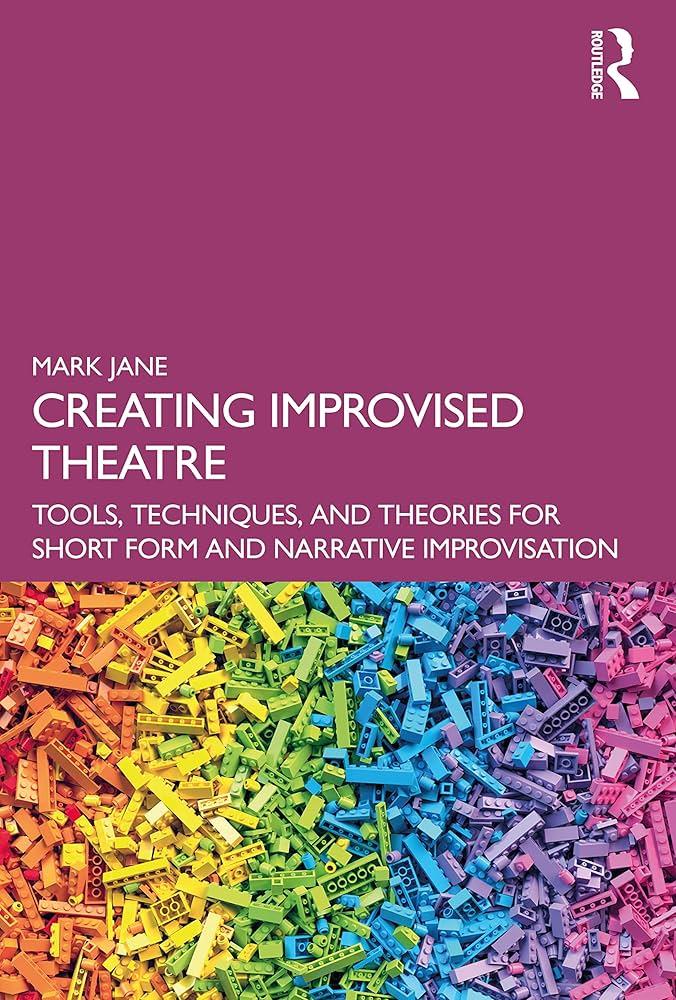
Creating Improvised Theatre
Tools, Techniques, and Theories
Mark Jane

The Young Actor's Book of Improvisation
Dramatic Situations
Sandra Caruso; Susan Kosoff

How to Improvise a Full-Length Play
The Art of Spontaneous Theater
Kenn Adams
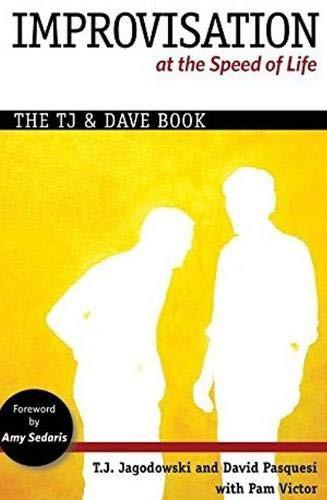
Improvisation at the Speed of Life
The TJ & Dave Book
T.J. Jagodowski; David Pasquesi; Pam Victor
Theater Games for Rehearsal
Viola Spolin
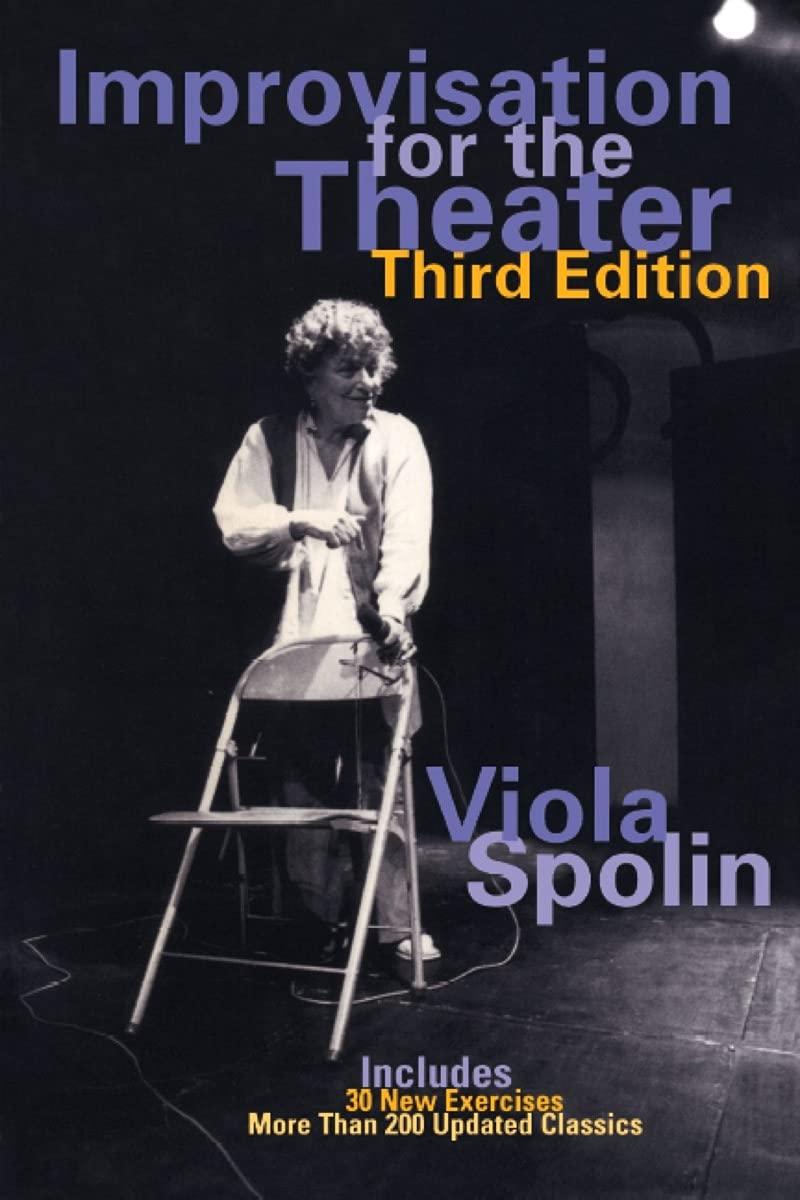
Improvisation for the Theater
A Handbook of Teaching and Directing Techniques
Viola Spolin
Related Formats
Momentos De La Vida
Momentos de la Vida is a long-form improvised format that explores significant moments from a character's or community's life -- births, losses, celebrations, transitions, crises -- building a mosaic of lived experience across time and across multiple characters. The format takes its name from the Spanish for "moments of life" and often carries a culturally specific or emotionally intimate register, using the richness of personal and communal memory as its primary material.
Montage
Montage is a long-form improvised format in which performers present a series of thematically connected scenes inspired by a single audience suggestion. Scenes are linked by shared ideas, recurring motifs, emotional resonances, or occasional character callbacks rather than a continuous plot. The format's strength is its flexibility: any scene can follow any scene as long as the thematic connection holds. Montage is one of the foundational structures in Chicago-tradition long-form improvisation and is among the most widely performed long-form formats worldwide.
How to Reference This Page
The Improv Archive. (2026). Life & Times. Retrieved September 29, 2026, from https://improvarchive.org/formats/life-times
The Improv Archive. "Life & Times." The Improv Archive, 2026. https://improvarchive.org/formats/life-times.
The Improv Archive. "Life & Times." The Improv Archive, 2026, https://improvarchive.org/formats/life-times. Accessed September 29, 2026.
The Improv Archive is a systemically maintained repository. The archive itself acts as the corporate author.