Triptych
Triptych is a long-form format that presents three thematically connected panels or scenes that comment on each other through juxtaposition, like panels in a visual triptych. The audience discovers the connections between the three sections as the piece unfolds. The format rewards thematic thinking and the ability to create resonance across distinct narratives.
Worth Reading
See all books →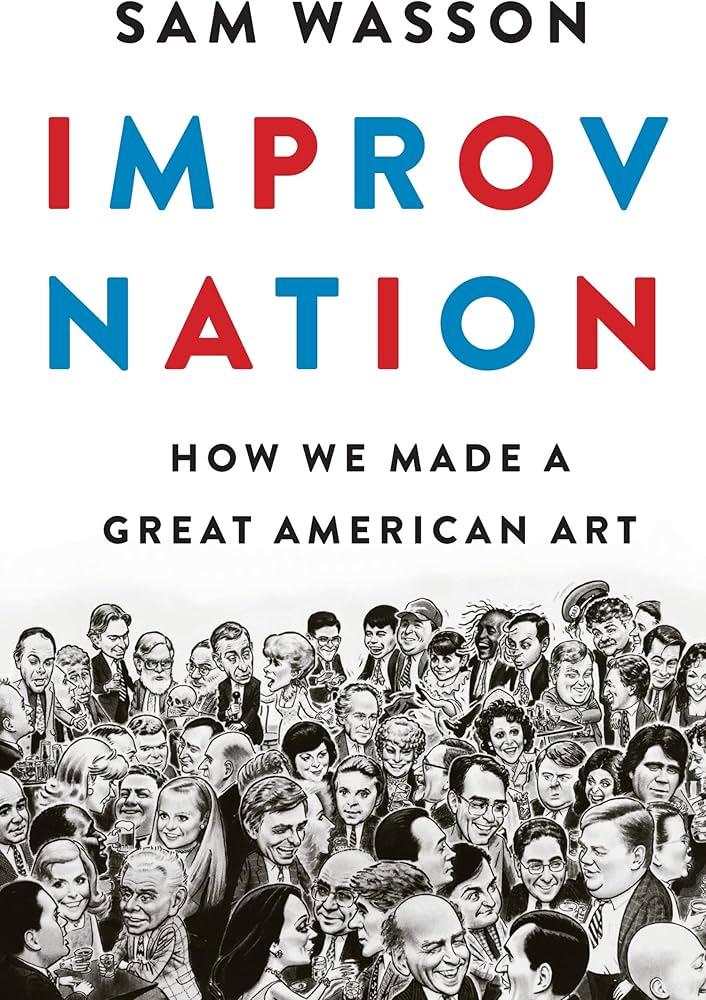
Improv Nation
How We Made a Great American Art
Sam Wasson
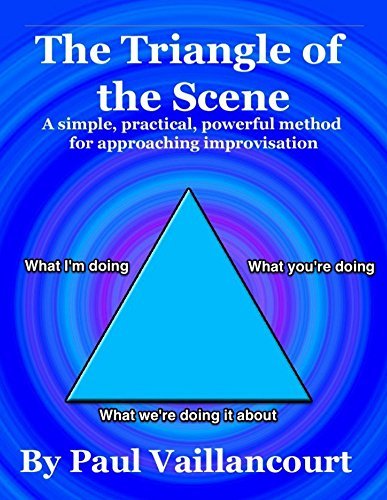
The Triangle of the Scene
A Simple, Practical, Powerful Method for Approaching Improvisation
Paul Vaillancourt

Theatrical Improvisation
Short Form, Long Form, and Sketch-Based Improv
Jeanne Leep
Creating Improvised Theatre
Tools, Techniques, and Theories
Mark Jane

Theatrical Improvisation, Consciousness, and Cognition
Clayton D. Drinko

How to Improvise a Full-Length Play
The Art of Spontaneous Theater
Kenn Adams
Related Formats
Lotus
Lotus is a long-form improvised format in which scenes unfold like the petals of a lotus flower, with each new scene emerging from and connecting to the one before it in an expanding, organic pattern. The format begins with a single scene at the center and grows outward through associative connections: a detail, image, theme, or character from one scene inspires the next. The structure rewards associative thinking, thematic sensitivity, and the ensemble's ability to track and develop interconnections across an expanding web of scenes. The format produces shows with a meditative, interconnected quality distinct from the linear progression of narrative formats.
String of Pearls
String of Pearls is a long-form format in which a series of standalone scenes are connected by a recurring structural element such as a character, location, or theme that threads through the show like a string through pearls. Each scene is self-contained but gains meaning through its relationship to the others. The format rewards thematic awareness and the ability to find subtle connections.
The Mosaic
The Mosaic is a long-form improvisational format in which multiple unconnected scenes and characters are introduced in rapid succession during an opening sequence, then developed and woven together as the show progresses. Like a visual mosaic, meaning emerges from the relationship of fragments rather than from any single continuous narrative.
How to Reference This Page
The Improv Archive. (2026). Triptych. Retrieved October 14, 2026, from https://improvarchive.org/formats/triptych
The Improv Archive. "Triptych." The Improv Archive, 2026. https://improvarchive.org/formats/triptych.
The Improv Archive. "Triptych." The Improv Archive, 2026, https://improvarchive.org/formats/triptych. Accessed October 14, 2026.
The Improv Archive is a systemically maintained repository. The archive itself acts as the corporate author.