Character Bench
Character Bench is a short-form game in which performers sit on a bench in a public place, each entering with a distinct character who interacts with whoever is already seated. Characters cycle on and off the bench, creating a parade of brief encounters. The game rewards strong character initiations and the ability to build a relationship quickly.
Structure
Setup
A bench or row of chairs is placed center stage. The bench represents a public place: a park bench, a bus stop, a waiting room, a jury box - anywhere that strangers might sit next to each other.
The Mechanic
One performer sits on the bench with a defined character - specific physical presence, emotional state, and reason for being there. A second performer enters and sits next to them, their own character equally defined. The two interact briefly.
When the host or facilitator calls "switch," one performer exits and a new one enters with a fresh character. The remaining performer must adjust their behavior to the new companion.
The Parade
The game becomes a parade of brief character encounters. The bench is the constant; the characters who occupy it cycle through. The performer who stays on the bench longest develops a richer, more textured character through accumulated interactions.
Character Commitment
Strong bench characters are defined before sitting - the performer knows who they are and why they're there. The encounter may change them, but the initial character must be clear enough to meet another character with genuine presence.
How to Teach It
How to Explain It
"The bench is a public place. One person sits. Another joins. Brief encounter - let the characters meet. Then one goes and someone new comes. The bench stays. The characters change."
Why It Matters
Character Bench trains strong character initiation - the ability to create a distinct, specific character before any dialogue has been spoken, simply through physical choice and intention. Performers who can do this consistently have developed one of improv's most foundational skills. The game also trains the adaptive responsiveness that characterizes good ensemble work: each new arrival changes the bench's dynamic, requiring the remaining performer to recalibrate.
Common Coaching Notes
- Character before contact. The entering performer should fully inhabit their character during the walk to the bench, not while sitting down. The first moment of sitting should already be character-specific.
- Brief encounters work better than long scenes. Bench encounters are haiku, not sonnets. Two or three exchanges, a moment of genuine contact, a departure.
- The remaining performer is the through-line. Their arc across multiple encounters is the game's narrative spine. Watch what happens to that character over time.
How to Perform It
Audience Intro
"Our performers are going to have brief encounters on this bench. Watch the characters that arrive. Watch what happens when two of them share the space. What kind of public bench is this?" Get a setting suggestion.
The host should position the bench visibly in the playing area and briefly note the setting to the performers before beginning.
Cast Size
Full ensemble (4-8 performers). Each rotates through at least one bench entry. One performer can be designated the permanent anchor who stays on the bench throughout.
Staging
The bench should be visible from all audience angles. Characters approach from the wings or from the back of the playing area. The path to the bench is part of the performance.
Wrap Logic
The host wraps after a satisfying sequence of encounters - typically after each performer has had at least one bench moment. A final entrance that finds the bench empty and the last character sitting alone can provide a poignant close.
Worth Reading
See all books →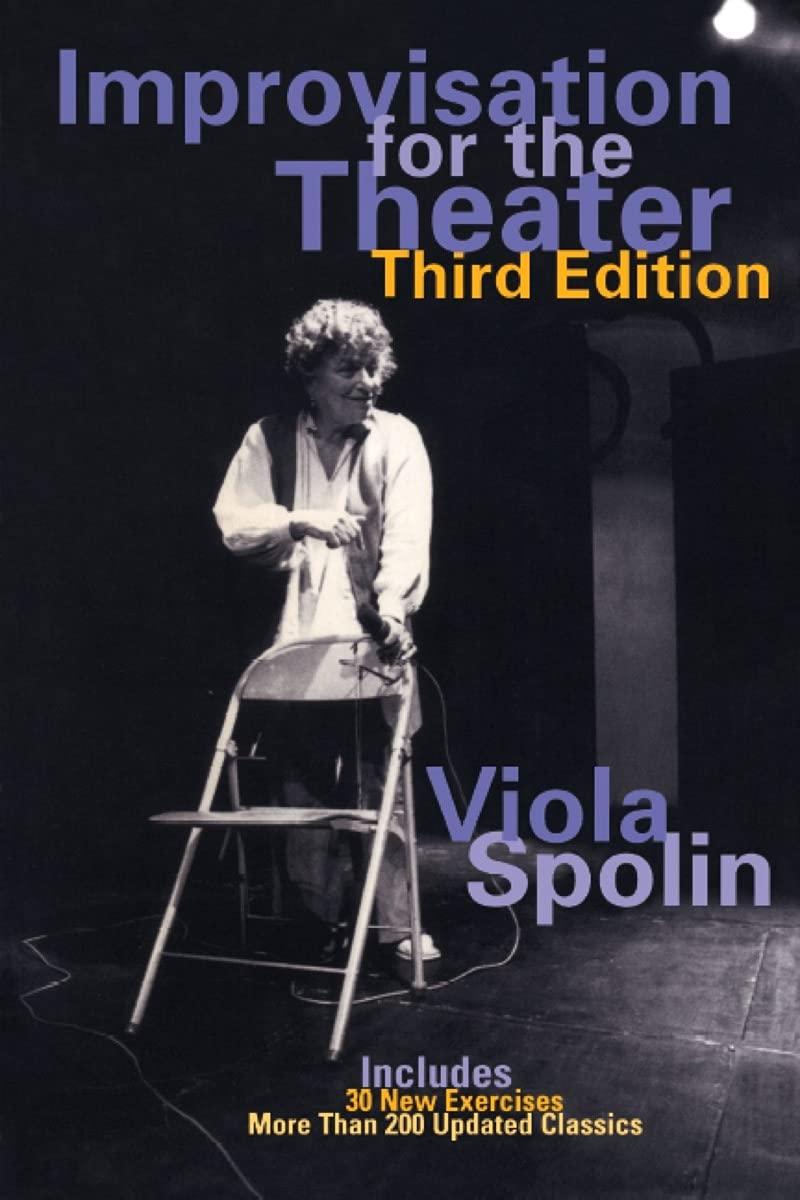
Improvisation for the Theater
A Handbook of Teaching and Directing Techniques
Viola Spolin
Theater Games for Rehearsal
Viola Spolin
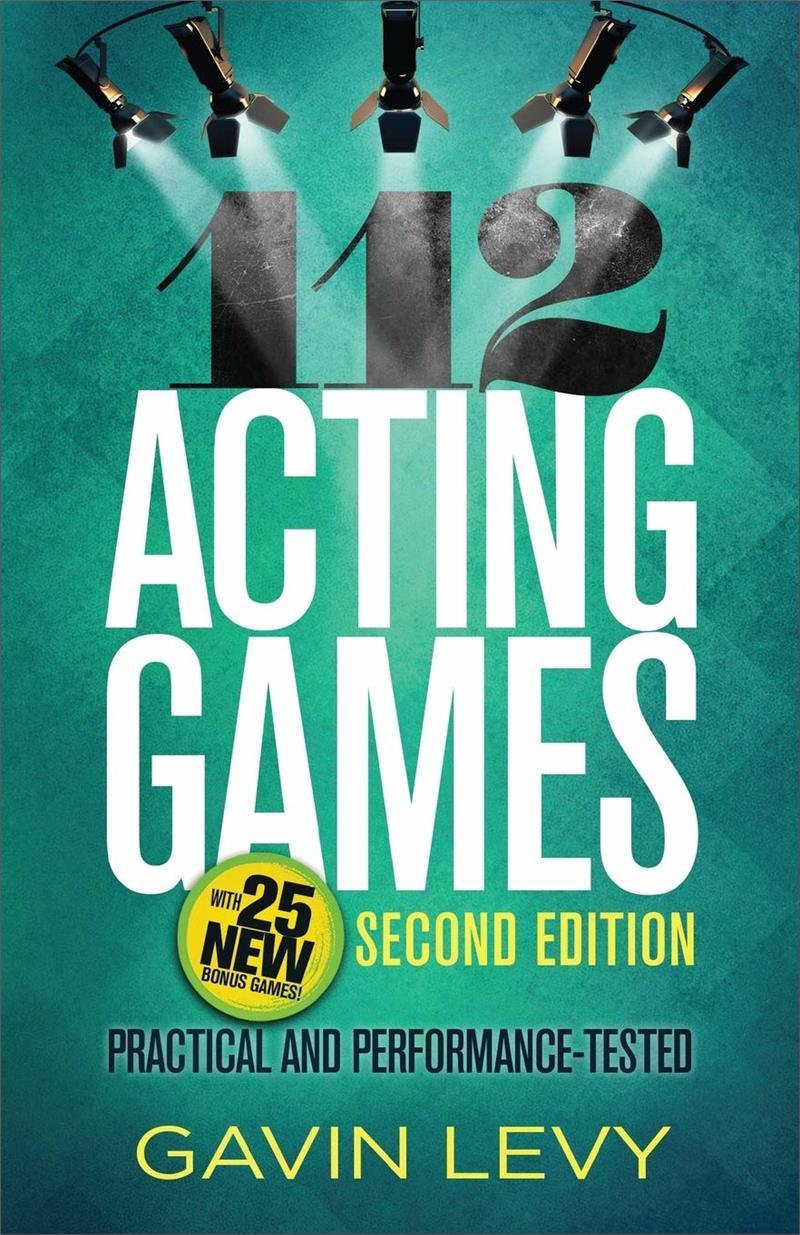
112 Acting Games
Gavin Levy
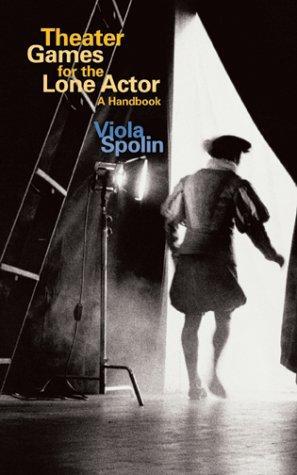
Theater Games for the Lone Actor
Viola Spolin

Drama Games and Improvs
Games for the Classroom and Beyond
Justine Jones; Mary Ann Kelley

Theatrical Improvisation, Consciousness, and Cognition
Clayton D. Drinko
Related Games
Park Bench
Park Bench is a short-form character game in which one performer sits on a bench while a series of characters enter one at a time, each with a distinct personality or objective. The seated player interacts briefly with each visitor before finding a reason to leave; the visitor then takes the seat and becomes the new resident, ready to react to the next arrival. The game rewards strong character entrances, rapid relationship establishment, and the ability to generate an exit.
Actor Switch
## Actor Switch: Content Actor Switch is a foundational improv structure, frequently utilized as both a game and an exercise. It centers on the rapid and unexpected exchange of character traits or roles between performers. The core mechanic involves one player initiating a switch by verbally or physically signaling another player to adopt a specific characteristic, emotion, or even a complete persona from the initiating player. This creates a dynamic shift in the scene, demanding adaptability and responsiveness from all involved. The origins of Actor Switch, like many early improv games, are challenging to definitively trace. It likely evolves organically within the burgeoning Chicago improv scene of the 1960s and 70s, drawing from techniques explored by Second City and Del Close. No single individual receives credit for its invention, but its consistent presence in improv training materials suggests early adoption and subsequent refinement by numerous practitioners. It serves as a crucial tool for developing active listening and quick thinking. To execute Actor Switch, a scene begins as usual, with performers establishing a baseline scenario. At any point, a player can declare "Actor Switch!" and then specify the element to be transferred, for example, "Actor Switch: Your frustration!" The targeted player immediately embodies that element, integrating it into their existing character or behavior. This process repeats, with players continually switching elements, creating a layered and unpredictable performance. The goal is not necessarily to create a coherent narrative, but to explore the possibilities of character and reaction. Actor Switch offers several benefits. It encourages performers to observe and react to their scene partners, fostering a heightened sense of ensemble awareness. The rapid shifts challenge performers to abandon preconceived notions and embrace spontaneity. Ultimately, Actor Switch cultivates a playful and dynamic approach to improvisational storytelling.
Ding Characters
Ding Characters is a variant of the Ding game in which a bell or signal causes a performer to change their character rather than repeat their previous line. Each ding produces a new persona with different physicality, voice, status, or emotional register, while the scene's action and circumstances continue. The game trains rapid character transformation and physical range.
How to Reference This Page
The Improv Archive. (2026). Character Bench. Retrieved September 28, 2026, from https://improvarchive.org/games/character-bench
The Improv Archive. "Character Bench." The Improv Archive, 2026. https://improvarchive.org/games/character-bench.
The Improv Archive. "Character Bench." The Improv Archive, 2026, https://improvarchive.org/games/character-bench. Accessed September 28, 2026.
The Improv Archive is a systemically maintained repository. The archive itself acts as the corporate author.