Character Switch
Character Switch is a scene game in which a caller signals performers to rotate characters, each inheriting the role of the player to their left or right. Unlike Character Swap, which involves a single exchange, Character Switch cycles all characters simultaneously. The game demands close observation and the ability to pick up another performer's character instantly.
Worth Reading
See all books →
112 Acting Games
Gavin Levy
Theater Games for the Lone Actor
Viola Spolin
Theater Games for Rehearsal
Viola Spolin

Drama Games and Improvs
Games for the Classroom and Beyond
Justine Jones; Mary Ann Kelley
Theater Games for the Classroom
Viola Spolin
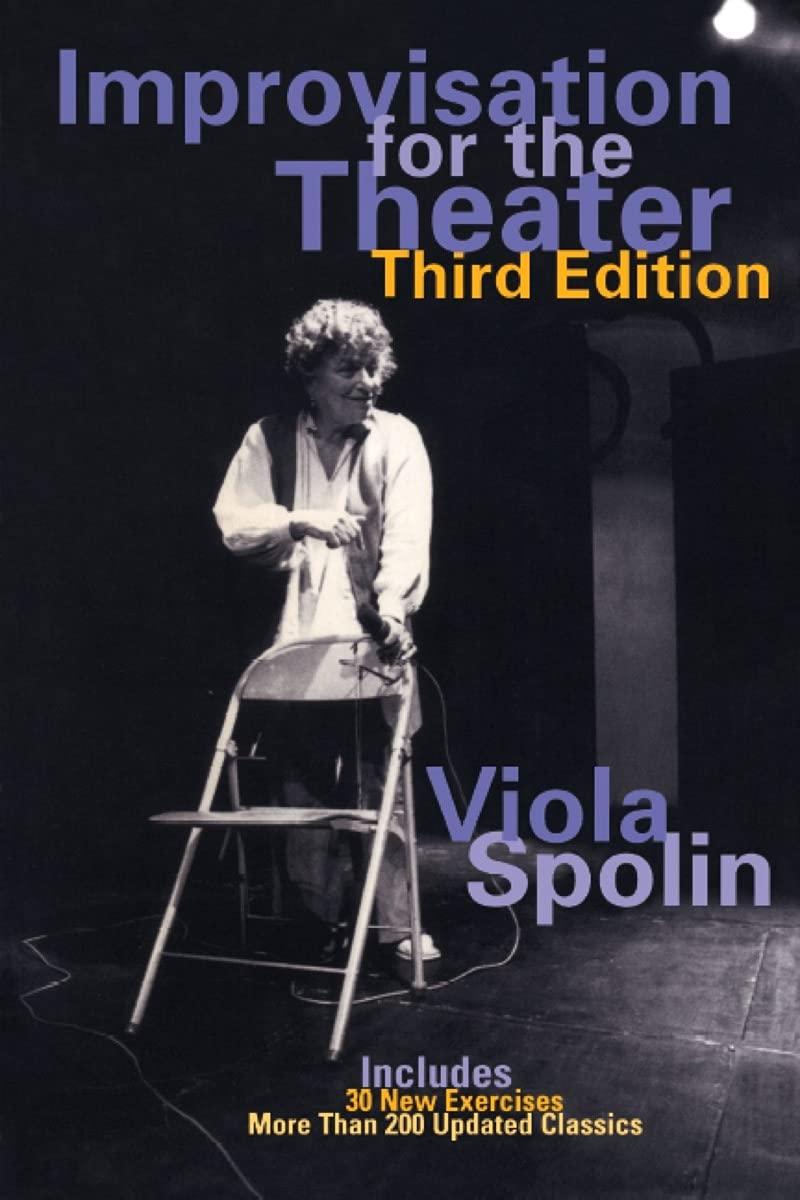
Improvisation for the Theater
A Handbook of Teaching and Directing Techniques
Viola Spolin
Related Games
Character Swap
Character Swap is a scene game in which performers exchange characters mid-scene, each adopting the other's physicality, voice, and emotional state. The swap reveals how well players have been observing their partners and tests the ability to sustain someone else's character work. The game rewards careful listening and physical attention.
Switcheroo
Switcheroo is a game in which performers swap roles, characters, or positions within a scene on command. Each player must immediately adopt the voice, physicality, and perspective of the character they are inheriting. The game tests observational skills and the ability to replicate a scene partner's specific choices.
Switch Gibberish
Switch Gibberish is a scene game in which performers alternate between speaking coherent dialogue and speaking in invented gibberish language. The switch happens on a signal from the facilitator or host, requiring performers to maintain scene continuity across radically different modes of communication.
Ding Characters
Ding Characters is a variant of the Ding game in which a bell or signal causes a performer to change their character rather than repeat their previous line. Each ding produces a new persona with different physicality, voice, status, or emotional register, while the scene's action and circumstances continue. The game trains rapid character transformation and physical range.
Actor Switch
## Actor Switch: Content Actor Switch is a foundational improv structure, frequently utilized as both a game and an exercise. It centers on the rapid and unexpected exchange of character traits or roles between performers. The core mechanic involves one player initiating a switch by verbally or physically signaling another player to adopt a specific characteristic, emotion, or even a complete persona from the initiating player. This creates a dynamic shift in the scene, demanding adaptability and responsiveness from all involved. The origins of Actor Switch, like many early improv games, are challenging to definitively trace. It likely evolves organically within the burgeoning Chicago improv scene of the 1960s and 70s, drawing from techniques explored by Second City and Del Close. No single individual receives credit for its invention, but its consistent presence in improv training materials suggests early adoption and subsequent refinement by numerous practitioners. It serves as a crucial tool for developing active listening and quick thinking. To execute Actor Switch, a scene begins as usual, with performers establishing a baseline scenario. At any point, a player can declare "Actor Switch!" and then specify the element to be transferred, for example, "Actor Switch: Your frustration!" The targeted player immediately embodies that element, integrating it into their existing character or behavior. This process repeats, with players continually switching elements, creating a layered and unpredictable performance. The goal is not necessarily to create a coherent narrative, but to explore the possibilities of character and reaction. Actor Switch offers several benefits. It encourages performers to observe and react to their scene partners, fostering a heightened sense of ensemble awareness. The rapid shifts challenge performers to abandon preconceived notions and embrace spontaneity. Ultimately, Actor Switch cultivates a playful and dynamic approach to improvisational storytelling.
Interview Switch
Interview Switch is a scene game in which the roles of interviewer and interviewee suddenly reverse mid-conversation. The performer who was asking questions is now answering; the performer who was answering is now asking. The power shift catches both performers off guard and changes the scene's relational dynamics in an instant. The game trains the ability to adapt to a changed status dynamic, to find and occupy a new position in a relationship immediately upon the reversal.
How to Reference This Page
The Improv Archive. (2026). Character Switch. Retrieved September 28, 2026, from https://improvarchive.org/games/character-switch
The Improv Archive. "Character Switch." The Improv Archive, 2026. https://improvarchive.org/games/character-switch.
The Improv Archive. "Character Switch." The Improv Archive, 2026, https://improvarchive.org/games/character-switch. Accessed September 28, 2026.
The Improv Archive is a systemically maintained repository. The archive itself acts as the corporate author.