Fishbowl
Fishbowl is a performance and observation exercise in which a small group performs a scene or task inside a circle of watchers. The surrounding observers study the work closely, and the format alternates between performing and watching. The arrangement creates a focused, intimate performance dynamic in which every choice is visible and accountable. Fishbowl trains both the doing and the observing of improv, developing critical watching skills alongside performance skills.
Structure
The group divides into performers and observers. The observers form a circle or semicircle around the playing space, creating the fishbowl. A small group of performers (two to four) takes the center and begins a scene, exercise, or task assigned by the facilitator.
The observers watch in silence, paying close attention to the performers' choices: initiations, listening behavior, physical work, and scene dynamics. The scene runs for a set duration or until the facilitator calls a stop.
After the scene, the facilitator leads a debrief. Observers share specific observations about what they saw: which offers were accepted, where the scene gained or lost momentum, and what physical choices communicated character or relationship. The performers may respond, sharing their internal experience of the scene.
The groups rotate. Observers move into the fishbowl, and the previous performers join the observation circle. This rotation ensures every participant experiences both roles.
Variations include tag-in fishbowl (observers can tap a performer's shoulder to replace them mid-scene), coaching fishbowl (the facilitator side-coaches the performers while observers watch the coaching process), and silent fishbowl (the scene inside the bowl is performed entirely without words).
How to Teach It
How to Explain It
"Two or three performers are in the fishbowl: they play a scene while the rest of the group watches from outside. After the scene, we debrief what we saw: what worked, what did not, what we noticed. The fishbowl makes skills visible."
Fishbowl is an effective teaching format because it makes improv skills visible and discussable. Abstract concepts like "listening" or "support" become concrete when observers can point to specific moments in a scene.
Structure the debrief carefully. Ask observers for specific, behavioral observations ("the performer stepped back when the offer was made") rather than judgments ("that was good" or "that was bad"). Specific observations teach the entire group to see what effective improv looks like at a granular level.
The format can feel exposing for newer performers. Manage this by starting with low-stakes exercises inside the fishbowl (a simple warm-up game or a paired exercise) before progressing to open scene work. Building comfort with the format gradually prevents the observation pressure from inhibiting performance.
Fishbowl is particularly effective for teaching new groups because it creates a shared vocabulary of observed moments that the facilitator can reference throughout the rest of the workshop.
How to Perform It
The fishbowl arrangement raises the stakes for performers. The surrounding observers create a sense of exposure that mirrors the pressure of live performance. Performers who can stay present and committed inside the fishbowl develop resilience under observation.
The intimate proximity between performers and observers means every micro-expression and physical choice registers. Performers discover that subtlety reads more clearly in this arrangement than on a distant stage. Small, truthful choices carry more weight than broad, projected ones.
The observation role is as demanding as the performance role. Watchers who disengage or check out miss the exercise's educational function. Active observation requires the same concentration as performing and builds the analytical skills that improve future scene work.
Worth Reading
See all books →
Applied Improvisation
Leading, Collaborating, and Creating Beyond the Theatre
Theresa Robbins Dudeck; Caitlin McClure

The Applied Improvisation Mindset
Tools for Transforming Individuals, Organizations, and Communities
Theresa Robbins Dudeck; Caitlin McClure
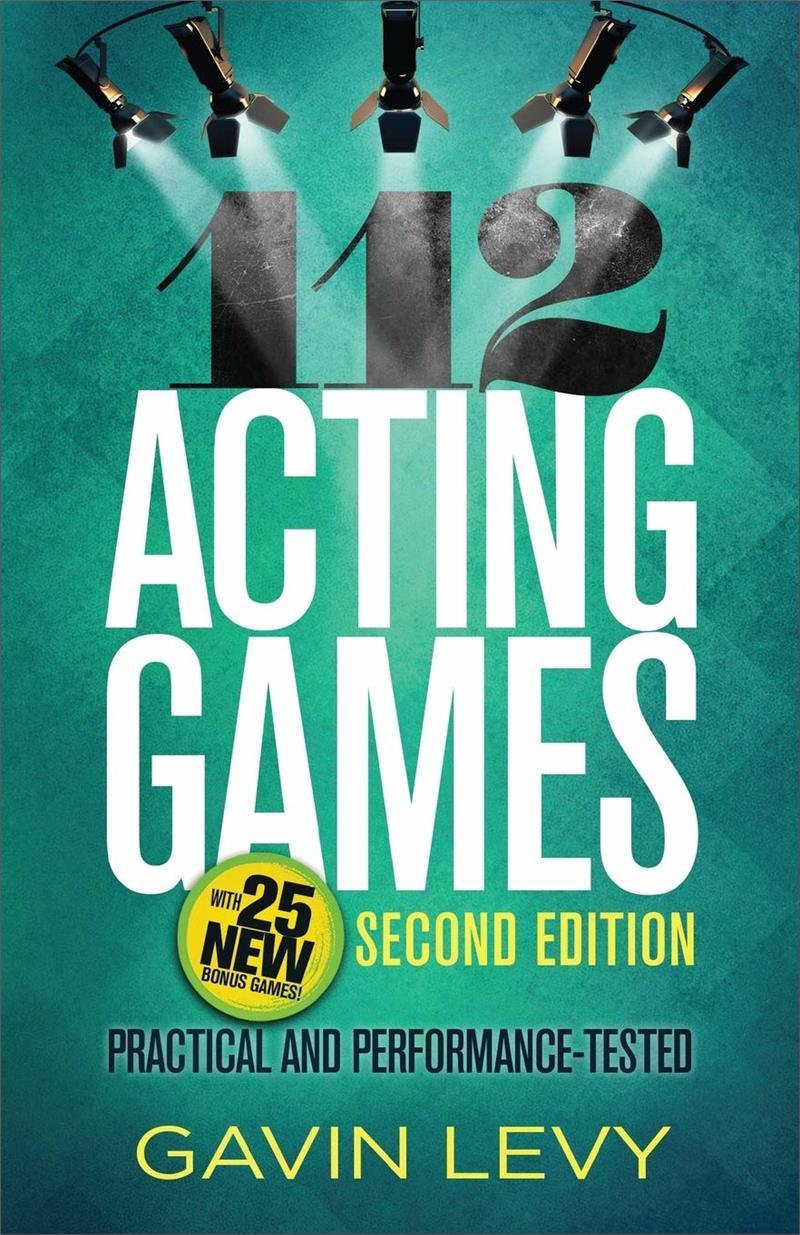
112 Acting Games
Gavin Levy

Great Group Skits
50 Character-Building Scenarios for Teens
Lynn Grasberg; Gina Oldenburg
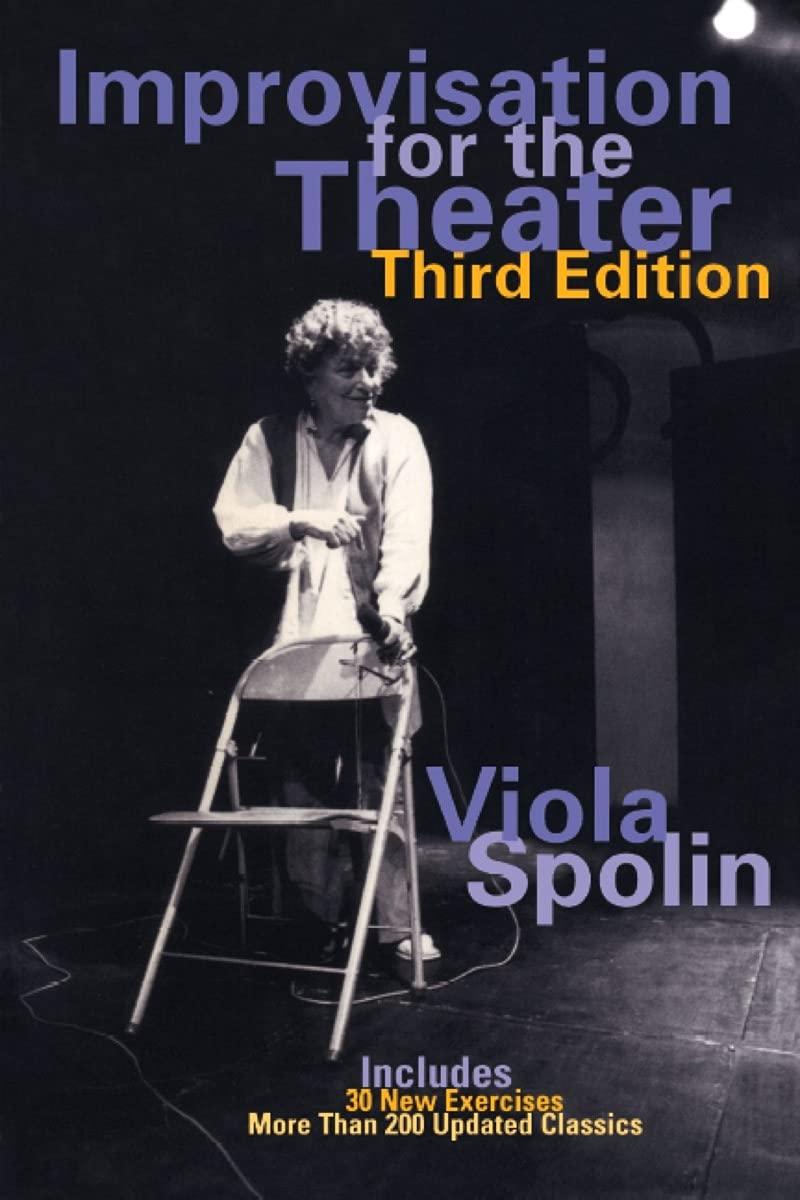
Improvisation for the Theater
A Handbook of Teaching and Directing Techniques
Viola Spolin

Directing Improv
Asaf Ronen
The Lineage
Explore the schools and structures that influenced or evolved from Fishbowl.
112 Acting Games (Levy)
How to Reference This Page
The Improv Archive. (2026). Fishbowl. Retrieved October 15, 2026, from https://improvarchive.org/games/fishbowl
The Improv Archive. "Fishbowl." The Improv Archive, 2026. https://improvarchive.org/games/fishbowl.
The Improv Archive. "Fishbowl." The Improv Archive, 2026, https://improvarchive.org/games/fishbowl. Accessed October 15, 2026.
The Improv Archive is a systemically maintained repository. The archive itself acts as the corporate author.