Lost Friend
Lost Friend is a scene game or warm-up in which a player searches for a lost friend by describing them to strangers in increasingly specific or absurd detail. The exercise trains detailed character description and the ability to paint a vivid picture of someone who is not present. It builds the verbal specificity that makes scene work compelling.
Worth Reading
See all books →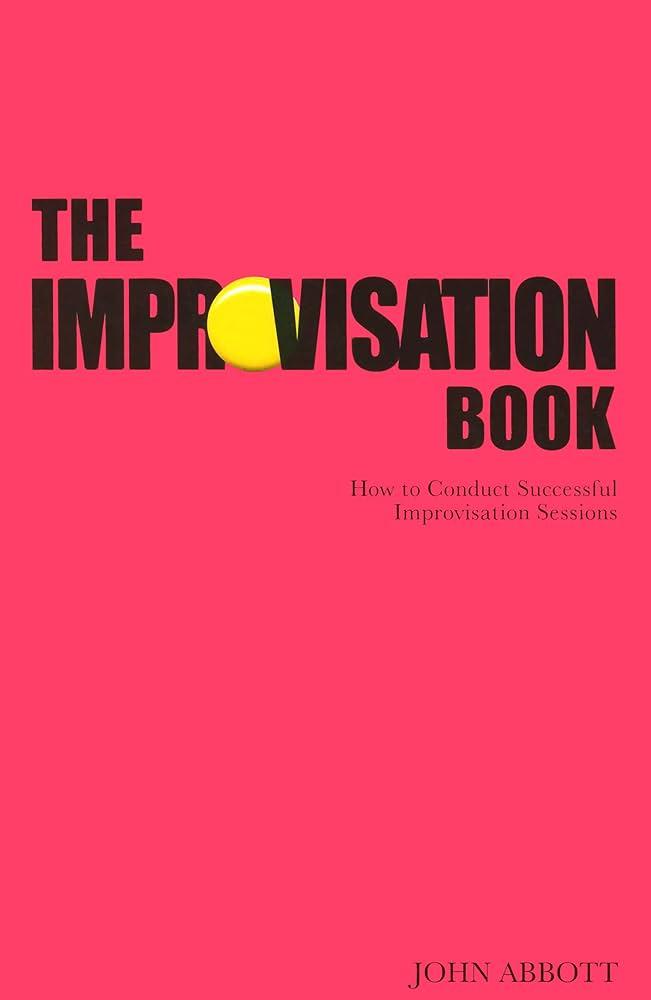
The Improvisation Book
How to Conduct Successful Improvisation Sessions
John S.C. Abbott

Group Improvisation
The Manual of Ensemble Improv Games
Peter Campbell Gwinn; Charna Halpern

Drama Games and Improvs
Games for the Classroom and Beyond
Justine Jones; Mary Ann Kelley
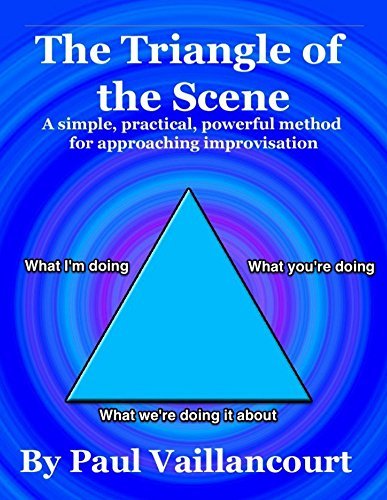
The Triangle of the Scene
A Simple, Practical, Powerful Method for Approaching Improvisation
Paul Vaillancourt
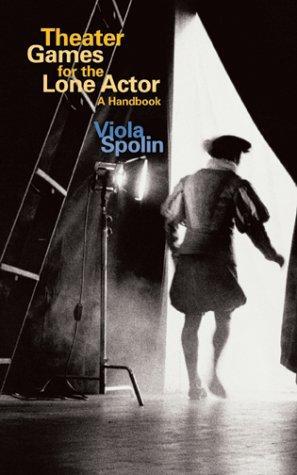
Theater Games for the Lone Actor
Viola Spolin

Improv Ideas
A Book of Games and Lists
Mary Ann Kelley; Justine Jones
How to Reference This Page
The Improv Archive. (2026). Lost Friend. Retrieved October 15, 2026, from https://improvarchive.org/games/lost-friend
The Improv Archive. "Lost Friend." The Improv Archive, 2026. https://improvarchive.org/games/lost-friend.
The Improv Archive. "Lost Friend." The Improv Archive, 2026, https://improvarchive.org/games/lost-friend. Accessed October 15, 2026.
The Improv Archive is a systemically maintained repository. The archive itself acts as the corporate author.