Occupation Endowment
Occupation Endowment is a short-form guessing game in which one performer is endowed with a specific occupation by the audience, and a second performer must discover what the occupation is through scene interaction. The endowing performer communicates the occupation through behavior, physicality, and contextual clues without ever naming it directly.
Structure
Setup
Two performers take the stage. One performer (the discoverer) leaves the room or turns away. The audience suggests an occupation for the other performer (the endower). The occupation should be specific and physical enough to be communicated through behavior -- mechanic, surgeon, auctioneer, lifeguard.
Progression
The discoverer returns and the scene begins. The endower inhabits the occupation physically: using the tools of the trade, responding to the environment as someone in that job would, reacting to the discoverer as a colleague or client might. The endower never names the job, never describes it in exposition, and never resorts to charades-style pantomime -- they simply live the occupation in the context of a scene.
The discoverer interacts naturally, gathering information through observation and scene-appropriate questions. The discovery happens through genuine scene work, not through a guessing-game interrogation.
Ending
The game ends when the discoverer identifies the occupation correctly, or when the host reveals the answer after sufficient scene time. The audience confirms the guess.
How to Teach It
Objectives
Occupation Endowment trains physical communication, the ability to embody a character through behavior rather than exposition, and the observational skills required to read a partner's physical choices accurately.
How to Explain It
"You have a job. Show us that job by how you act, what you do with your hands, and how you react to things -- not by telling us. Your partner is going to figure out what you do by watching you work."
Scaffolding
Begin with occupations that have strong, distinctive physical signatures -- chef, carpenter, dentist -- before moving to occupations that are harder to distinguish physically -- accountant, therapist, manager. For advanced groups, endow two performers with related but distinct occupations (nurse and surgeon, teacher and principal) and see if the discoverer can identify both.
Common Pitfalls
Endowers often resort to pantomime rather than scene behavior, acting out the job in isolation rather than inhabiting it within a relationship. Coach them to stay in a scene with their partner and let the occupation emerge through how they interact. Discoverers sometimes abandon scene work and start asking diagnostic questions ("Do you work indoors?"); redirect them toward natural dialogue that reveals information organically.
How to Perform It
Audience Intro
"We need an occupation -- something specific. While [performer] is out of the room, we will tell [endower] what job they have. Then [performer] has to figure it out from the scene."
Cast Size
Two performers. A host or emcee manages the suggestion and departure.
Staging
Open stage with space for physical work. The endower should have room to mime tools, equipment, or environmental features of the workplace.
Wrap-Up Logic
End when the discoverer guesses correctly or after three to four minutes if discovery has not occurred. Celebrate creative scenes regardless of whether the guess was accurate.
Worth Reading
See all books →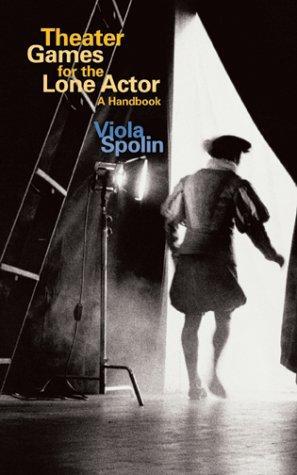
Theater Games for the Lone Actor
Viola Spolin
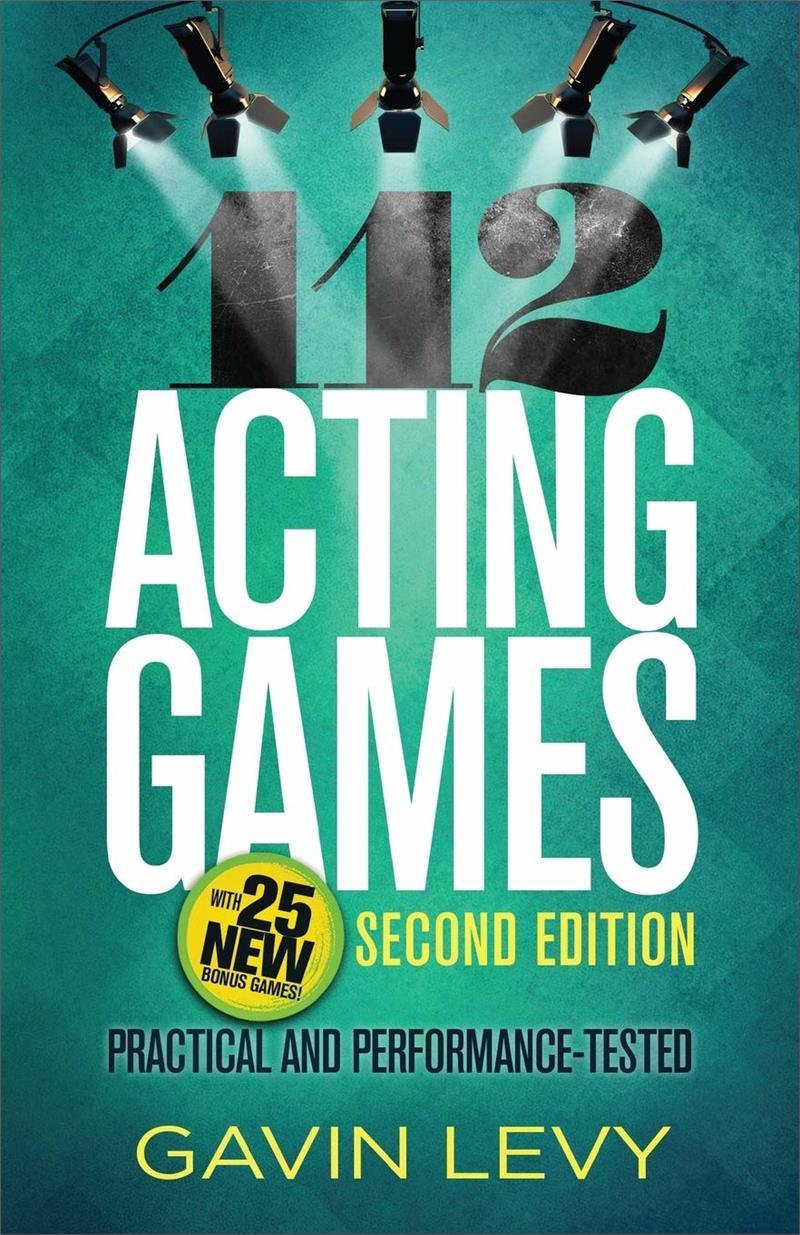
112 Acting Games
Gavin Levy
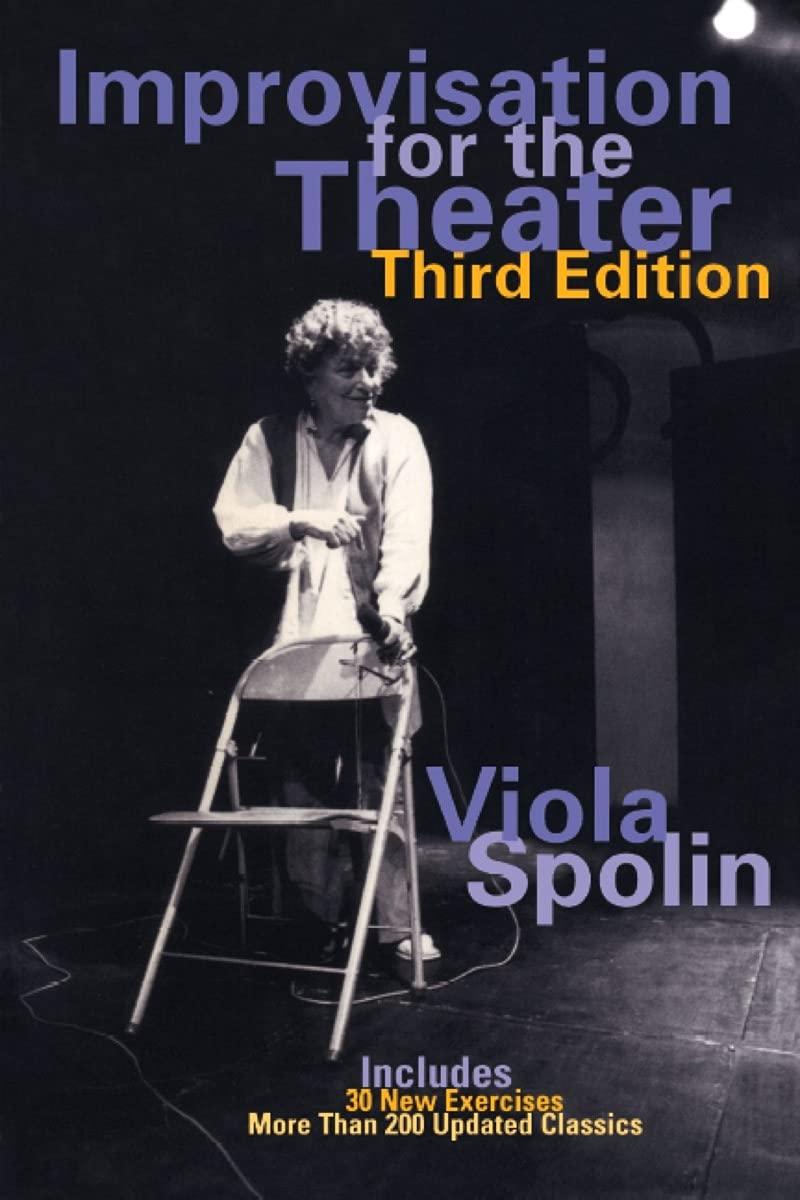
Improvisation for the Theater
A Handbook of Teaching and Directing Techniques
Viola Spolin
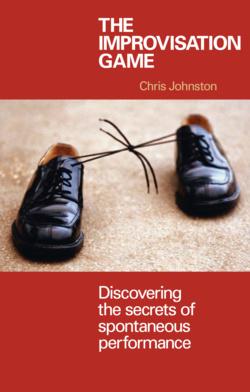
The Improvisation Game
Discovering the Secrets of Spontaneous Performance
Chris Johnston

Improvised Theatre and the Autism Spectrum
A Practical Guide
Gary Kramer; Richie Ploesch
Theater Games for Rehearsal
Viola Spolin
Related Games
Double Endowment
Double Endowment is a short-form guessing game in which two performers are each secretly endowed with a character trait by the audience, and both must simultaneously figure out their own trait from the clues the other performer is giving. Each performer knows the other's secret trait but not their own, and must embed clues for the other player while interpreting the clues being embedded for them. The result is a mutual guessing dynamic that rewards listening and responsive improvisation.
Secrets Endowment
Secrets Endowment is a short-form game in which performers are given secret information about their characters that the other performers do not know, creating dramatic irony as each player navigates a scene while hiding or gradually revealing their secret.
Famous Person Endowment
Famous Person Endowment is a guessing game in which one performer is secretly assigned a celebrity identity and must deduce who they are through interactions with scene partners who know the answer. The endowed performer does not know their identity and must read their scene partners' reactions, offers, and endowments to figure out who they are playing. The game rewards lateral thinking, careful observation, and the ability to accept endowments and build on them without the security of knowing the full picture.
Superhero Endowment
Superhero Endowment is a guessing game in which one performer must figure out their secretly assigned superhero power through the behavior of their scene partners. The other performers know the power and play scenes that make it relevant without naming it directly.
How to Reference This Page
The Improv Archive. (2026). Occupation Endowment. Retrieved September 28, 2026, from https://improvarchive.org/games/occupation-endowment
The Improv Archive. "Occupation Endowment." The Improv Archive, 2026. https://improvarchive.org/games/occupation-endowment.
The Improv Archive. "Occupation Endowment." The Improv Archive, 2026, https://improvarchive.org/games/occupation-endowment. Accessed September 28, 2026.
The Improv Archive is a systemically maintained repository. The archive itself acts as the corporate author.