Being Changed
The principle that characters in improvised scenes should be affected and transformed by the events they experience rather than remaining static. Keith Johnstone taught that characters who resist change produce dull scenes, while characters who allow themselves to be changed create dramatic momentum and emotional investment.
At the heart of compelling improvised scenes lies a willingness to let events matter. Being changed is the principle that characters should be genuinely affected and transformed by what happens to them in a scene, rather than remaining static or returning to a comfortable baseline. When a performer allows their character to be altered by an offer, whether it is a piece of information, an emotional shift, or a physical event, the scene gains dramatic momentum and emotional weight. When they resist change, the scene stalls.
Keith Johnstone identified this principle as fundamental to his approach to improvisation, teaching that characters who resist change produce dull scenes, while characters who allow themselves to be changed create the forward motion that audiences find compelling. Tom Salinsky and Deborah Frances-White devoted a full chapter to the concept in The Improv Handbook, treating it as one of the essential building blocks of scene work alongside status, narrative, and agreement. Dan Diggles, in Improv for Actors, connected it directly to the craft of acting: a performer who is not being changed by what they hear will appear to not be listening, a problem visible in both voice and body. The insight is that change is not merely an internal decision but something that must manifest physically and vocally for the audience and scene partners to register it.
In practice, being changed operates as a form of generosity toward one's scene partners. As Laura Mark describes in Creating Improvised Theatre, accepting partners' offers and allowing them to change you is an act of generosity because it creates instability for your character, and that instability is precisely what gives scenes their life. A performer who remains unmoved by what their partner says or does is effectively blocking, even if they appear to be agreeing on the surface. True acceptance means letting the offer land and showing its effect.
Teaching this concept often involves exercises that make the contrast between changed and unchanged responses visible. Coaches watch for performers who slow down or think visibly before responding to a new development; the replacement response should arrive as immediately and naturally as the original impulse. Another common pitfall is performers who hold onto a discarded line they liked, waiting to insert it later rather than staying present with the scene's evolving reality. Both habits reveal a performer protecting themselves from change rather than surrendering to it.
The concept connects closely to several other foundational principles. It depends on active listening, since a performer cannot be changed by something they have not truly heard. It reinforces the practice of saying yes, because accepting an offer fully means allowing it to alter one's character rather than simply acknowledging it and moving on. It also relates to narrative and raising the stakes: a story in which characters are transformed by events feels consequential, while one in which they bounce back unchanged feels inconsequential.
Beyond performance, the principle has found application in organizational and facilitation contexts. In applied improvisation settings, exercises like Listen to Learn train participants to arrive at conversations with genuine openness to being changed by what is heard, rather than listening only to confirm existing positions. This translation from stage to workplace underscores that being changed is not merely a theatrical technique but a fundamental orientation toward responsiveness and presence.
Further Reading
See all books →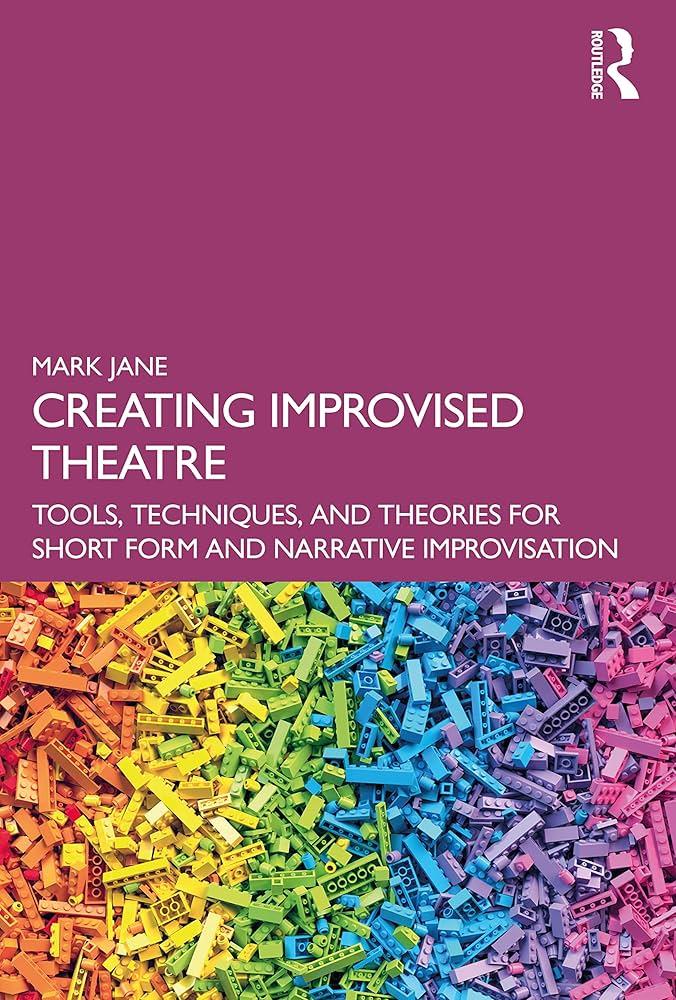
Creating Improvised Theatre
Tools, Techniques, and Theories
Mark Jane

The Routledge Companion to Improvisation in Organizations
Miguel Pina e Cunha; Dusya Vera; António Cunha Meneses

The Improv Handbook
The Ultimate Guide to Improvising in Comedy, Theatre, and Beyond
Tom Salinsky; Deborah Frances-White

Business Unscripted
Business is Improv
Ben Winter; Tara Hedberg

Improvisation In The Arts Of The Middle Ages And Renaissance
Timothy J. McGee
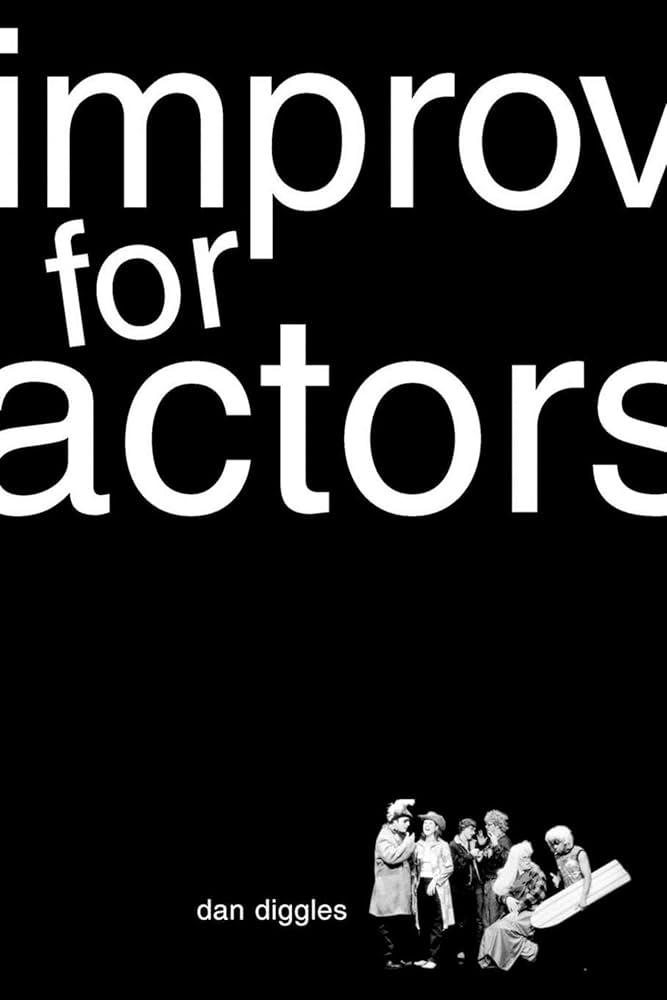
Improv for Actors
Dan Diggles
How to Reference This Page
The Improv Archive. (2026). Being Changed. Retrieved September 28, 2026, from https://improvarchive.org/learn-improv/concepts/being-changed
The Improv Archive. "Being Changed." The Improv Archive, 2026. https://improvarchive.org/learn-improv/concepts/being-changed.
The Improv Archive. "Being Changed." The Improv Archive, 2026, https://improvarchive.org/learn-improv/concepts/being-changed. Accessed September 28, 2026.
The Improv Archive is a systemically maintained repository. The archive itself acts as the corporate author.