Buck Henry
Buck Henry, born Henry Zuckerman on December 9, 1930, was an American writer, actor, and director whose career bridged the New York improvisational comedy scene of the early 1960s and the mainstream of American film and television. He co-founded The Premise, an off-Broadway satirical ensemble, before co-creating Get Smart with Mel Brooks and writing the screenplay for The Graduate. He co-wrote and co-directed Heaven Can Wait with Warren Beatty, receiving Oscar nominations in two categories. He hosted Saturday Night Live ten times between 1975 and 1980 and was the inaugural member of the program's Five-Timers Club. He died on January 8, 2020, in Los Angeles.
Career
Buck Henry was born Henry Zuckerman on December 9, 1930, in New York City. His father, Paul Steinberg Zuckerman, was a stockbroker and brigadier general in the United States Air Force. His mother, Ruth Taylor, was a silent film actress who appeared in Gentlemen Prefer Blondes in 1928. Henry attended the Choate School in Connecticut before enrolling at Dartmouth College, where he earned a Bachelor of Arts in English in 1952. At Dartmouth he contributed to the college humor magazine Jack-O-Lantern and participated in campus theater. He served two years in the United States Army from 1952 to 1954, stationed in Germany, where he co-wrote a musical revue for fellow servicemen. Following his discharge he toured Europe with a repertory theater company before returning to New York.
In the early 1960s, Henry co-founded The Premise, an off-Broadway satirical ensemble based in Greenwich Village. The Premise was among the New York theatrical groups working in an improvisational and sketch-based mode during the same period that The Second City was establishing its Chicago residency and The Committee was forming in San Francisco. The ensemble gave Henry his foundational experience with collaborative satirical performance before he transitioned to television and film writing.
In 1965, Henry co-created Get Smart with Mel Brooks for NBC. The spy parody series ran for five seasons and produced 138 episodes, generating Emmy nominations for Henry and earning him a shared Emmy Award in 1967 for Outstanding Writing Achievement in Comedy for the episode 'Ship of Spies,' co-written with Leonard Stern. Henry also created the short-lived science fiction comedy Quark, which aired on NBC in 1977 and 1978.
Henry's film career produced some of the most culturally significant screenplays of the late 1960s and 1970s. He co-wrote the adaptation of Charles Webb's novel The Graduate (1967), directed by Mike Nichols and starring Dustin Hoffman and Anne Bancroft, earning an Academy Award nomination for Best Adapted Screenplay; the film also brought Henry a Writers Guild of America Award for Best Written American Comedy in 1968 and a British Academy Film Award for Best Screenplay in 1969. He adapted Joseph Heller's novel Catch-22 for director Mike Nichols in 1970, continuing the collaboration that had produced The Graduate. His subsequent screenwriting work included The Owl and the Pussycat (1970) and What's Up, Doc? (1972), both starring Barbra Streisand.
In 1978, Henry co-wrote and co-directed Heaven Can Wait with Warren Beatty, a romantic comedy-fantasy remake of Here Comes Mr. Jordan (1941). The film received eight Academy Award nominations, including Best Picture, and earned Henry a nomination for Best Director, the second of his two Oscar nominations. His solo directorial effort, First Family (1980), was a political satire starring Bob Newhart.
Henry hosted Saturday Night Live ten times between 1975 and 1980, becoming the inaugural member of the program's Five-Timers Club and contributing informally to the writers' room during SNL's foundational period. He appeared in acting roles in more than forty films during his career, including The Graduate, Catch-22, The Man Who Fell to Earth (1976), Heaven Can Wait, Short Cuts (1993), and Grumpy Old Men (1993). His television acting credits included Falcon Crest, Murphy Brown, and a recurring role on 30 Rock as Liz Lemon's father.
Historical Context
Henry's career trajectory connects the off-Broadway improvisational and satirical performance tradition of New York in the early 1960s to the mainstream American film and television industry of the following three decades. The Premise, which he co-founded, was part of a set of New York ensembles working in a satirical improvisational mode during the period when The Second City in Chicago was establishing itself as the primary institutional center of American improvisational comedy. Henry's move from The Premise into television writing for Get Smart and then into major film screenplays represents one of the earliest and most sustained examples of the pipeline from the satirical stage performance tradition into American commercial entertainment.
The Graduate occupied a pivotal cultural position in American cinema's transition from classical Hollywood production to the more director-driven and thematically complex films of the late 1960s and early 1970s. Henry's screenplay, adapted from Webb's 1963 novel, became a foundational text of the New Hollywood era, a point of reference for subsequent American screenwriting discussions of character interiority, irony, and generational disillusionment. His subsequent work on Catch-22 extended his association with the literary adaptation of American satirical fiction.
His repeated return to Saturday Night Live as a host during the program's foundational years (1975 to 1980) placed him within the early history of the show as both a performer and an informal collaborator with Lorne Michaels's writers during the period when the program was establishing its institutional identity and production model. His recognition as the inaugural Five-Timers Club member gave him a symbolic position within SNL's cultural mythology.
Legacy
Henry's dual Academy Award nominations in two different categories for the same film, Heaven Can Wait, placed him within a small group of American filmmakers who had been recognized both for writing and directing by the Academy. His work on The Graduate remains among the most analyzed American screenplays of the postwar period, regularly cited in screenwriting pedagogy and criticism as a model of adaptation and character construction. The film's influence on American cinema's stylistic development in the late 1960s extended well beyond Henry's direct subsequent credits.
His early career at The Premise contributed to the genealogy of New York satirical performance that fed into both the SNL writing tradition and the broader expansion of improvisational comedy institutions across the United States during the 1970s and 1980s. The pipeline from off-Broadway satirical performance to network television and film that Henry's career demonstrated became a template for performers and writers trained in subsequent generations of New York and Chicago improv programs.
His ten hosting appearances on Saturday Night Live established him as one of the program's most consistent recurring presences during its first five seasons, giving him a sustained relationship with the writing and performing community that would itself produce major careers in American comedy and film across the following four decades. The Five-Timers Club, which he inaugurated, became one of the program's most recognized recurring institutions, indexing repeat hosts across the show's history.
Early Life and Training
Buck Henry was born Henry Zuckerman on December 9, 1930, in New York City. His father was a stockbroker and Air Force brigadier general; his mother was silent film actress Ruth Taylor. He attended Choate School in Connecticut and Dartmouth College, where he earned a Bachelor of Arts in English in 1952. He served in the United States Army from 1952 to 1954, stationed in Germany, where he co-wrote a musical revue for fellow servicemen. After his discharge he toured Europe with a repertory theater company before settling in New York.
Personal Life
Buck Henry married Sally Zuckerman in the early 1960s and had one daughter. He maintained a long-term relationship with British actress Fiona Lewis during the 1970s. In 2008 he married Irene Ramp. He resided primarily in Los Angeles after the late 1960s. He died on January 8, 2020, from a heart attack at Cedars-Sinai Medical Center in Los Angeles at the age of 89. He was buried at Forest Lawn Memorial Park in Hollywood Hills.
Recommended Reading
Books are ordered from the strongest direct connection outward to broader relevance.

Something Wonderful Right Away
An Oral History of The Second City and The Compass Players
Jeffrey Sweet
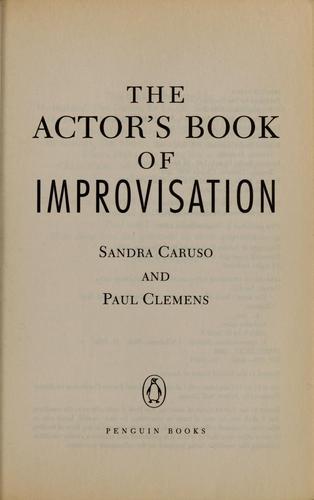
The Actor's Book of Improvisation
Sandra Caruso; Paul Clemens

The Funniest One in the Room
The Lives and Legends of Del Close
Kim Howard Johnson
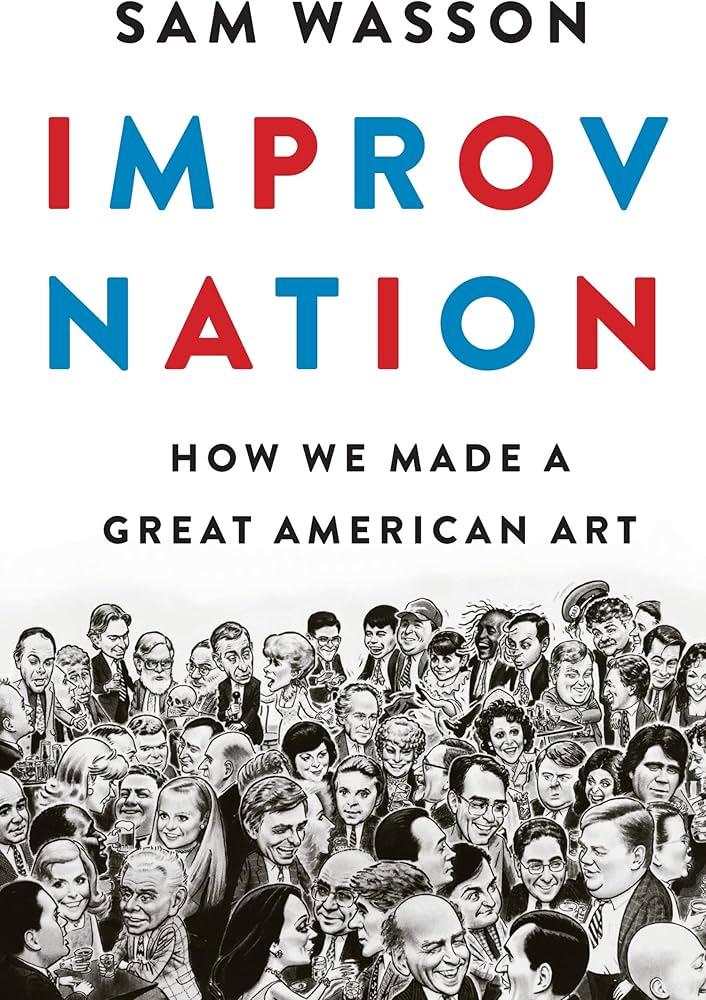
Improv Nation
How We Made a Great American Art
Sam Wasson

Long Form Improvisation and American Comedy
The Harold
Matt Fotis

Funny on Purpose
The Definitive Guide to an Unpredictable Career in Comedy
Joe Randazzo
References
In the Archive
How to Reference This Page
The Improv Archive. (2026). Buck Henry. Retrieved September 28, 2026, from https://improvarchive.org/people/buck-henry
The Improv Archive. "Buck Henry." The Improv Archive, 2026. https://improvarchive.org/people/buck-henry.
The Improv Archive. "Buck Henry." The Improv Archive, 2026, https://improvarchive.org/people/buck-henry. Accessed September 28, 2026.
The Improv Archive is a systemically maintained repository. The archive itself acts as the corporate author.