Chris Farley
Christopher Crosby Farley (February 15, 1964 - December 18, 1997) was one of the most celebrated physical comedians of his generation, a product of iO Theater's Harold tradition under Del Close and Second City Chicago's sketch training who became a cast member on Saturday Night Live from 1990 to 1995. He originated iconic SNL characters including Matt Foley, the motivational speaker who lived in a van down by the river, and the superfan Todd O'Connor of Bill Swerski's Superfans, and starred in feature films including Tommy Boy, Black Sheep, and Beverly Hills Ninja before his death from acute intoxication at age 33. He is widely regarded as a central figure in the Chicago improv-to-network-television pipeline of the early 1990s.
Career
Christopher Crosby Farley was born on February 15, 1964, in Madison, Wisconsin, and grew up in Maple Bluff, a suburb of Madison. His father, Thomas John Farley Sr., owned an oil company; his mother, Mary Anne Crosby Farley, was a homemaker. The family was Irish-American and Catholic, and Farley's faith and family background were consistent elements in his public persona throughout his career. He attended Marquette University in Milwaukee, graduating in 1986 with a double major in communications and theater.
After graduation, Farley performed with the Ark Improv Theatre in Madison, his earliest documented improv training. He subsequently moved to Chicago, where he performed at the ImprovOlympic, the ensemble long-form theater founded by Charna Halpern and operated with Del Close as its artistic director. Close, who had also mentored John Belushi, a performer Farley idolized, shaped Farley's understanding of commitment and physical abandon in performance. A television pilot titled ImprovOlympic was taped at the theater in 1988 with Farley participating; the pilot was not broadcast and is considered lost media.
Farley joined The Second City Chicago's touring company in approximately 1988 or 1989, on the same day as Stephen Colbert, before being promoted to the Mainstage company. He appeared in three Mainstage revues: The Gods Must Be Lazy in 1989, It Was Thirty Years Ago Today in 1990, and Flag Smoking Permitted in Lobby Only, or Censorama in 1991. His Mainstage castmates included Tim Meadows, Joel Murray, David Pasquesi, and Bob Odenkirk. Farley developed the character of Matt Foley, the overzealous motivational speaker, while at Second City; the character was named after a real Catholic priest friend, and Odenkirk wrote the original version of the character. Lorne Michaels, the executive producer of Saturday Night Live, observed Farley's work at Second City and extended him an invitation to audition.
Farley joined the Saturday Night Live cast in spring 1990, alongside Chris Rock, Adam Sandler, Rob Schneider, and David Spade, a cohort later referred to collectively as the Bad Boys of SNL. He remained with the program for five seasons, through 1995. In addition to Matt Foley, who was later brought to SNL and paired in a memorable sketch with guest host Patrick Swayze in a Chippendales audition parody, Farley originated Todd O'Connor of the Bill Swerski's Superfans sketch, a broad caricature of a Chicago Bears obsessive performed in a characteristic overcoat and wearing Bears regalia, and the Lunch Lady character. His physical performance style, which involved falling, crashing into furniture, and throwing himself across sets with committed abandon, became the primary register through which his work was identified.
Farley left Saturday Night Live in 1995 and pursued a film career. His films included Airheads (1994), Tommy Boy (1995, opposite David Spade, which earned approximately $32 million domestically), Black Sheep (1996, again with Spade), Beverly Hills Ninja (1997, which opened at number one at the domestic box office), and Almost Heroes (1998, released posthumously). He had recorded significant portions of the voice of Shrek for the animated film in early 1997 before his death; the role was subsequently recast and performed by Mike Myers.
Farley died on December 18, 1997, at his apartment in Chicago, from acute intoxication resulting from combined morphine and cocaine use. He was 33 years old.
Historical Context
Farley's career represented the Chicago improv pipeline's capacity to produce performers whose physical and emotional scale translated directly to the mass entertainment contexts of network television and commercial film. His training at iO Theater under Del Close and at Second City connected him to both strands of American improv's 1980s development: the Harold-based long-form tradition Del Close had developed at the ImprovOlympic, which valued sustained ensemble commitment and the discovery of emotional truth through unscripted scene work, and the character-driven sketch tradition of Second City, which prioritized audience recognition and comedic economy in shorter-form performance.
Farley's physical approach to performance placed him within a lineage of Chicago-trained performers, from John Belushi through Bill Murray and John Candy, who made physicality a primary comedic register. His deliberate identification with Belushi, which extended to his desire to follow Belushi's path from Second City to SNL and whom Close had also mentored, gave his career trajectory an explicit historical self-consciousness. His death at 33, the same age as Belushi at his death, became a recognized parallel in the public discussion of his life.
The Matt Foley character's origins at Second City, where the ensemble's collaborative writing process produced a character through ensemble development rather than individual authorship, documented the institutional mechanism through which Second City generated material: Bob Odenkirk's contribution to the character's textual construction and Farley's embodiment of its physical vocabulary produced a sketch figure that survived the transition to SNL's national television platform intact.
Key Events
Chris Farley, iO Theatre and Second City Alumnus, Dies in Chicago
Chris Farley died on December 18, 1997 in Chicago at the age of 33. Farley trained at iO Theatre and performed on The Second City mainstage before joining Saturday Night Live in 1990, where his physical comedy style earned him recognition as one of the most dynamic performers of his era.
Legacy
Farley is among the most frequently cited influences by subsequent generations of American comedians, with performers including Jimmy Fallon, Will Ferrell, and Horatio Sanz crediting his work at SNL as formative. His physical comedy approach, which prioritized commitment, fearlessness, and genuine vulnerability beneath broad comedic surface, provided a model of ensemble-trained physical performance that subsequent SNL-era comedians have explicitly acknowledged.
The 2001 DreamWorks animated film Shrek was dedicated to Farley's memory, acknowledging his contribution to the character before his death. The Chippendales sketch he performed on SNL with Patrick Swayze, which placed Farley's physical self-consciousness alongside Swayze's conventionally attractive physique, has been reclaimed as an expression of positive body image and genuine comedic authority, recontextualizing the sketch's cultural meaning several decades after its original broadcast.
Farley's death, along with those of other performers who moved through the Chicago improv pipeline and faced addiction, intensified the improv and broader comedy community's discourse around mental health and substance use. The Farley Foundation, established by his family after his death, works on substance abuse prevention and education in his name. His legacy within improv is specifically tied to his ImprovOlympic training under Del Close, who himself died in 1999, and to the generation of iO and Second City performers whose work in the early 1990s defined the comedic landscape of that decade.
Early Life and Training
Christopher Crosby Farley was born on February 15, 1964, in Madison, Wisconsin, and grew up in Maple Bluff, a suburb of Madison. He was the third of five children in an Irish-American Catholic family. His father owned an oil company; his mother was a homemaker. He attended Marquette University in Milwaukee, graduating in 1986 with a double major in communications and theater.
Personal Life
Farley died on December 18, 1997, in his Chicago apartment from acute intoxication from combined morphine and cocaine use. He was 33 years old. The Farley Foundation was established by his family after his death to support substance abuse prevention and education.
Recommended Reading
Books are ordered from the strongest direct connection outward to broader relevance.

The Art of Chicago Improv
Short Cuts to Long-Form Improvisation
Rob Kozlowski

The Improv Handbook
The Ultimate Guide to Improvising in Comedy, Theatre, and Beyond
Tom Salinsky; Deborah Frances-White

Theatrical Improvisation
Short Form, Long Form, and Sketch-Based Improv
Jeanne Leep

Business Improv
Experiential Learning Exercises to Train Employees
Val Gee

The Second City Unscripted
Revolution and Revelation at the World-Famous Comedy Theater
Mike Thomas
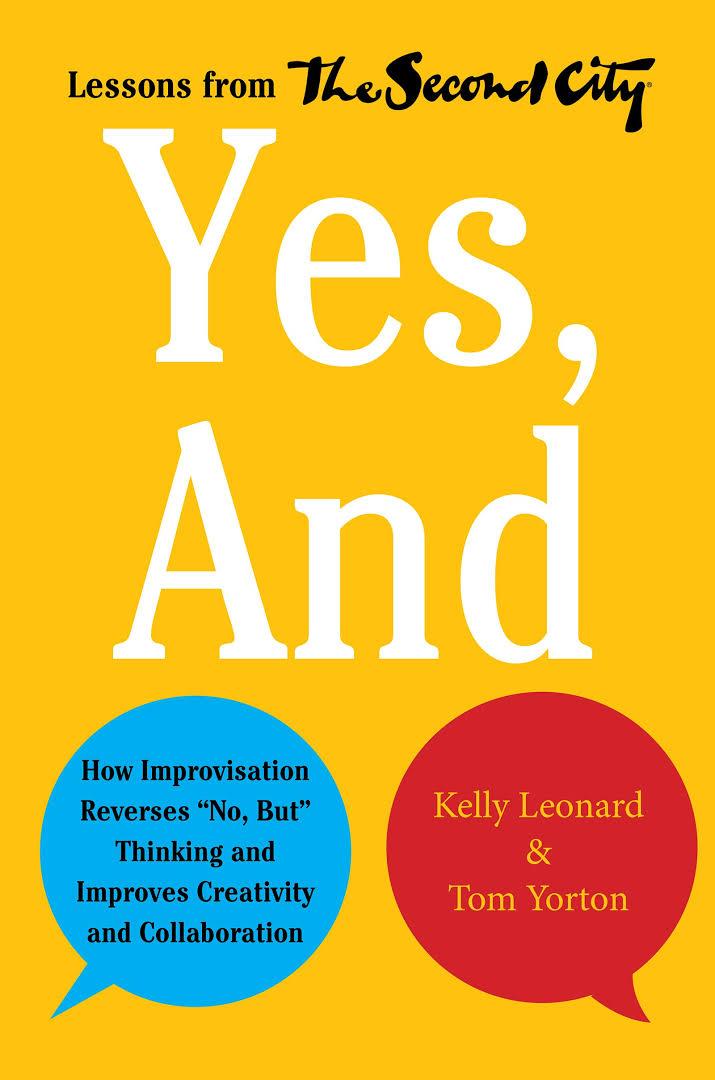
Yes, And
How Improvisation Reverses No, But Thinking and Improves Creativity and Collaboration
Kelly Leonard; Tom Yorton
References
In the Archive
How to Reference This Page
The Improv Archive. (2026). Chris Farley. Retrieved September 28, 2026, from https://improvarchive.org/people/chris-farley
The Improv Archive. "Chris Farley." The Improv Archive, 2026. https://improvarchive.org/people/chris-farley.
The Improv Archive. "Chris Farley." The Improv Archive, 2026, https://improvarchive.org/people/chris-farley. Accessed September 28, 2026.
The Improv Archive is a systemically maintained repository. The archive itself acts as the corporate author.