David Wilk
David Wilk is a Tulsa-born comedian, improviser, author, and keynote speaker who co-founded Four Day Weekend in Fort Worth, Texas, in 1997 with David Ahearn, Frank Ford, and Troy Grant. Trained at Second City Conservatory in Chicago under Martin de Maat, he helped build Four Day Weekend into the longest-running improvisational comedy show in the American Southwest, with more than 6,500 live performances. He co-authored Happy Accidents: The Transformative Power of 'Yes, And' at Work and in Life, which became a national bestseller, and has received the NAACE Lifetime Achievement Award for contributions to applied improvisation in professional development.
Career
David Wilk was born and grew up in Tulsa, Oklahoma. He completed the Second City Conservatory program in Chicago under Martin de Maat, who served as Creative Director of Second City and was widely regarded as one of the most influential teachers in the institution's history. Wilk met David Ahearn and Frank Ford through the Dallas comedy scene in the early 1990s while each was developing as a performer.
In 1997, Wilk co-founded Four Day Weekend in Fort Worth, Texas, along with Ahearn, Ford, and Troy Grant. Each founder contributed approximately $700 to cover initial expenses, and the troupe launched at Sundance Square in a 100-seat theater on Friday and Saturday nights at 11 p.m. after the run of Forever Plaid. Four Day Weekend grew into the longest-running improvisational comedy show in the American Southwest, accumulating more than 6,500 live performances across its run and becoming one of the most-attended live comedy shows in North Texas.
The troupe developed a reputation for custom corporate entertainment, performing for organizations ranging from local businesses to national corporations. Four Day Weekend performed for two US presidents and delivered keynote presentations at major conferences applying improvisational principles to leadership and organizational culture. Wilk and his Four Day Weekend colleagues appeared in television commercials for Dish Network, Papa John's, and Charles Schwab. They also performed for US military audiences on a USO tour to Europe and Kosovo.
Four Day Weekend received the Fort Worth Key to the City, recognition as Small Business of the Year by the Fort Worth Chamber of Commerce, and an ISES Award for Best Entertainment. In 2017 the ensemble and Wilk were designated Entrepreneurs in Residence at TCU's Neeley School of Business, where they taught yes-and principles to entrepreneurship and business students.
Wilk co-authored Happy Accidents: The Transformative Power of 'Yes, And' at Work and in Life (2017) with Ahearn and Ford, a business book that became a national bestseller by applying improv principles to organizational culture, team-building, and professional leadership. He has also authored The Art of ImproviZEN and has received the NAACE Lifetime Achievement Award for his contributions to applied improvisation in professional development contexts. Wilk continues to operate as a keynote speaker and facilitator for corporate clients nationally and internationally.
Historical Context
Four Day Weekend's founding in Fort Worth in 1997 placed Wilk and his co-founders at the center of the effort to build a regionally based professional improv institution in a city with no prior dedicated improv theater infrastructure. The Southwest improv landscape in the late 1990s was substantially less developed than Chicago or New York, and the troupe's long-term survival required it to develop its own audience and revenue model without the benefit of an existing improv theatergoing culture or the training-center pipelines that sustained iO and Second City.
Martin de Maat's influence, documented in Wilk's Second City Conservatory training, oriented him toward the humanistic and educational dimensions of improv practice. De Maat, who died in 2001, was known for his emphasis on the personal and emotional dimensions of improv work, on listening and presence rather than wit alone, and on improv as a framework for human connection as well as comedic performance. This orientation informed the yes-and framework that Wilk and his co-founders articulated in their corporate keynote work and in Happy Accidents, situating the book within a humanistic rather than merely tactical tradition of applied improv.
The corporate entertainment model that Four Day Weekend built, combining live performance with yes-and keynotes, applied improv workshops, and custom shows for national corporate clients, anticipated the broader applied improv movement that developed through the 2000s. The troupe's USO tour to Europe and Kosovo, performing for American military audiences abroad, extended the reach of the company's work beyond the domestic corporate entertainment circuit and documented the adaptability of the improvisational performance model across very different audience contexts.
The Four Day Weekend team's designation as Entrepreneurs in Residence at TCU's Neeley School of Business in 2017 marked the formal institutionalization of the yes-and framework within a business school curriculum, giving the applied improv methodology academic standing at a research university's management program.
Legacy
David Wilk's co-authorship of Happy Accidents contributed a practitioner-authored national bestseller on yes-and principles to the applied improv literature, reaching business audiences who would not otherwise encounter improv methodology in its theatrical context. The book's national bestseller status placed improv-derived frameworks within mainstream business publishing alongside comparable works on organizational psychology and leadership development, and the TCU Neeley School Entrepreneur in Residence designation embedded those frameworks in a formal MBA curriculum.
The NAACE Lifetime Achievement Award, recognizing Wilk's contributions to applied improvisation in professional development, documents the recognition of his work within the applied improv community's professional standards. His authorship of The Art of ImproviZEN extended his writing beyond the collaborative Happy Accidents project into a solo articulation of improv-derived principles for personal and professional development.
Four Day Weekend's run as the longest-running improv show in the American Southwest, with more than 6,500 performances across more than two decades, established a model for professional improv in a regional market that demonstrated the viability of corporate applied improv revenue as the primary financial support for a performing ensemble. The television commercial appearances for Dish Network, Papa John's, and Charles Schwab, and the performances for two US presidents, document the degree to which the company achieved national commercial and institutional reach while remaining based in Fort Worth, providing a documented case for the viability of regional improv as a professional identity independent of the major coastal training centers.
Early Life and Training
David Wilk was born and grew up in Tulsa, Oklahoma.
Recommended Reading
Books are ordered from the strongest direct connection outward to broader relevance.
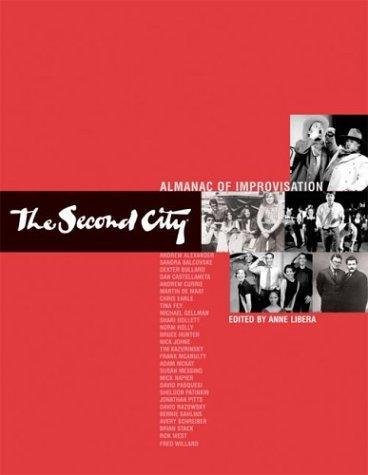
The Second City Almanac of Improvisation
Anne Libera

The Art of Chicago Improv
Short Cuts to Long-Form Improvisation
Rob Kozlowski
Teaching Improv
The Essential Handbook
Mel Paradis
Improv Nation
How We Made a Great American Art
Sam Wasson

The Comedy Improv Handbook
A Comprehensive Guide to University Improvisational Comedy
Matt Fotis; Siobhan O'Hara

The Improv Mindset
Change Your Brain. Change Your Business.
Gail Montgomery; Bruce T. Montgomery
References
How to Reference This Page
The Improv Archive. (2026). David Wilk. Retrieved September 28, 2026, from https://improvarchive.org/people/david-wilk
The Improv Archive. "David Wilk." The Improv Archive, 2026. https://improvarchive.org/people/david-wilk.
The Improv Archive. "David Wilk." The Improv Archive, 2026, https://improvarchive.org/people/david-wilk. Accessed September 28, 2026.
The Improv Archive is a systemically maintained repository. The archive itself acts as the corporate author.