Doug Diefenbach is a Chicago-based improviser, theater founder, and nonprofit communications professional who in 1997 founded The Playground Improv Comedy Theater in Chicago as the city's first nonprofit cooperative improv theater. Trained at ImprovOlympic under Charna Halpern and Del Close's long-form tradition, he organized The Playground as a member-governed institution in which approximately 140 actor-members participate in governance, performance, and instruction on a volunteer basis, creating an institutional model distinct from the commercial structures of Second City and iO. The Playground has operated continuously since 1997 and has remained active into the 2020s.
Career
Doug Diefenbach is a graduate of Miami University in Oxford, Ohio. He trained as an improv performer at ImprovOlympic Chicago, the institution founded by Charna Halpern and Del Close that developed the Harold and long-form ensemble formats.
In 1997 Diefenbach founded The Playground Improv Comedy Theater in Chicago, organizing it as a nonprofit cooperative entity with a structure in which actor-members participate in governance, performance, and instruction on a volunteer basis. The theater describes itself as the nation's first and only not-for-profit cooperative theater dedicated exclusively to the performance and instruction of improvisational comedy. The cooperative model distributes institutional decision-making among its approximately 140 members rather than concentrating it in a commercial ownership structure or a single Artistic Director.
The Playground began as an itinerant troupe performing at Chicago bars including the Cue Club, Cafe Ashie, and Jako's before securing its first permanent location on Lincoln Avenue in 1999. It subsequently relocated to 3209 N. Halsted Avenue in 2003 and later to 4416 N. Clark Street. Diefenbach performed at the theater into the 2010s. The theater celebrated its twentieth anniversary in 2017 and has remained active through subsequent years. Jason Sudeikis performed at The Playground during his time in Chicago.
Parallel to his work at The Playground, Diefenbach has maintained a long career in nonprofit marketing and communications. His professional roles have included Senior Vice President of Marketing and Philanthropy at the Alliance for Strong Families and Communities, a national network of more than 450 human service organizations; Vice President of Campaign Strategy and Communications at Advocate Charitable Foundation, the fundraising arm of Advocate Health Care; and consulting roles at Lipman Hearne Inc., a firm specializing in nonprofit communications. He received the AFP Chicago Chapter Presidents Award in 2007 from the Association of Fundraising Professionals and has operated Diefenbach Communications Strategies as a consultancy.
Historical Context
The Playground's founding in 1997 as a nonprofit cooperative addressed a structural gap in the Chicago improv ecosystem, which at that time consisted of for-profit institutions (Second City, iO) and informal ensembles but had no dedicated cooperative institution offering performers a participatory governance structure without commercial ownership. The late 1990s was a period of significant expansion in Chicago improv, with iO having consolidated its Harold-based training program and Second City operating its multi-level training center; both institutions served performers who sought careers in comedy, but neither provided a community-governed alternative for performers interested in ensemble improv outside a commercially structured context.
Diefenbach's choice to organize the theater as a nonprofit cooperative gave performer-members a formal stake in the institution's direction that did not exist at the major improv venues. The approximately 140-member structure, in which members participate in governance, casting, and instruction on a volunteer basis, represented a deliberate application of cooperative organizational principles to an improv theater, creating a model in which the institution belonged collectively to its practitioners rather than to investors, founders, or a single artistic director.
The theater's itinerant origin in Chicago bar performance at venues including the Cue Club, Cafe Ashie, and Jako's reflects the pattern common to Chicago improv institutions of the 1990s, in which ensembles built audiences through accessible, low-overhead venues before securing dedicated spaces. ImprovOlympic itself had moved through multiple locations before establishing a permanent home, and The Playground's path from bar performance in 1997 to its Lincoln Avenue location in 1999 followed the same developmental arc.
The sustained operation of The Playground through more than two decades, including the institutional challenges faced by all small arts nonprofits, documents the viability of the cooperative model as a long-term organizational form for an improv theater operating outside the revenue streams available to for-profit training centers.
Legacy
The Playground Theater's sustained operation since 1997 as a nonprofit cooperative has made it a documented model for the institutional possibility of improv theater organized around member participation rather than commercial ownership or artistic-director authority. The cooperative structure has been cited in discussions of alternative institutional models for improv community-building, and the theater's presence in Chicago as a complement to the for-profit institutions provides performance and community opportunities for performers who seek member-governed spaces outside the Second City and iO ecosystems.
Jason Sudeikis's time performing at The Playground during his Chicago years documents the theater's role in developing performers who went on to national prominence, placing the cooperative within the generative network of Chicago improv institutions that contributed to Saturday Night Live, Hollywood films, and television comedy through the 2000s and 2010s.
The theater's twenty-plus-year continuous operation as a nonprofit in a difficult funding environment for small arts organizations represents a significant organizational achievement, particularly for a volunteer-governed institution without the structural commercial revenue that sustained Second City's training center or iO's programming. Diefenbach's parallel career in nonprofit communications, with executive roles at major human service and healthcare foundations, brought professional fundraising and organizational management expertise to the theater's governance, a combination of skills that contributed to The Playground's institutional longevity in a field where small improv theaters frequently close within their first years of operation.
Early Life and Training
Doug Diefenbach is a graduate of Miami University in Oxford, Ohio.
Companies and Organizations
Associated venues and institutional relationships currently documented in the archive.
Recommended Reading
Books are ordered from the strongest direct connection outward to broader relevance.

Whose Improv Is It Anyway?
Beyond Second City
Amy E. Seham

The Art of Chicago Improv
Short Cuts to Long-Form Improvisation
Rob Kozlowski

Chicago Comedy
A Fairly Serious History
Margaret Hicks; Mick Napier

Truth in Comedy
The Manual of Improvisation
Charna Halpern; Del Close; Kim Howard Johnson

Applied Improvisation
Leading, Collaborating, and Creating Beyond the Theatre
Theresa Robbins Dudeck; Caitlin McClure
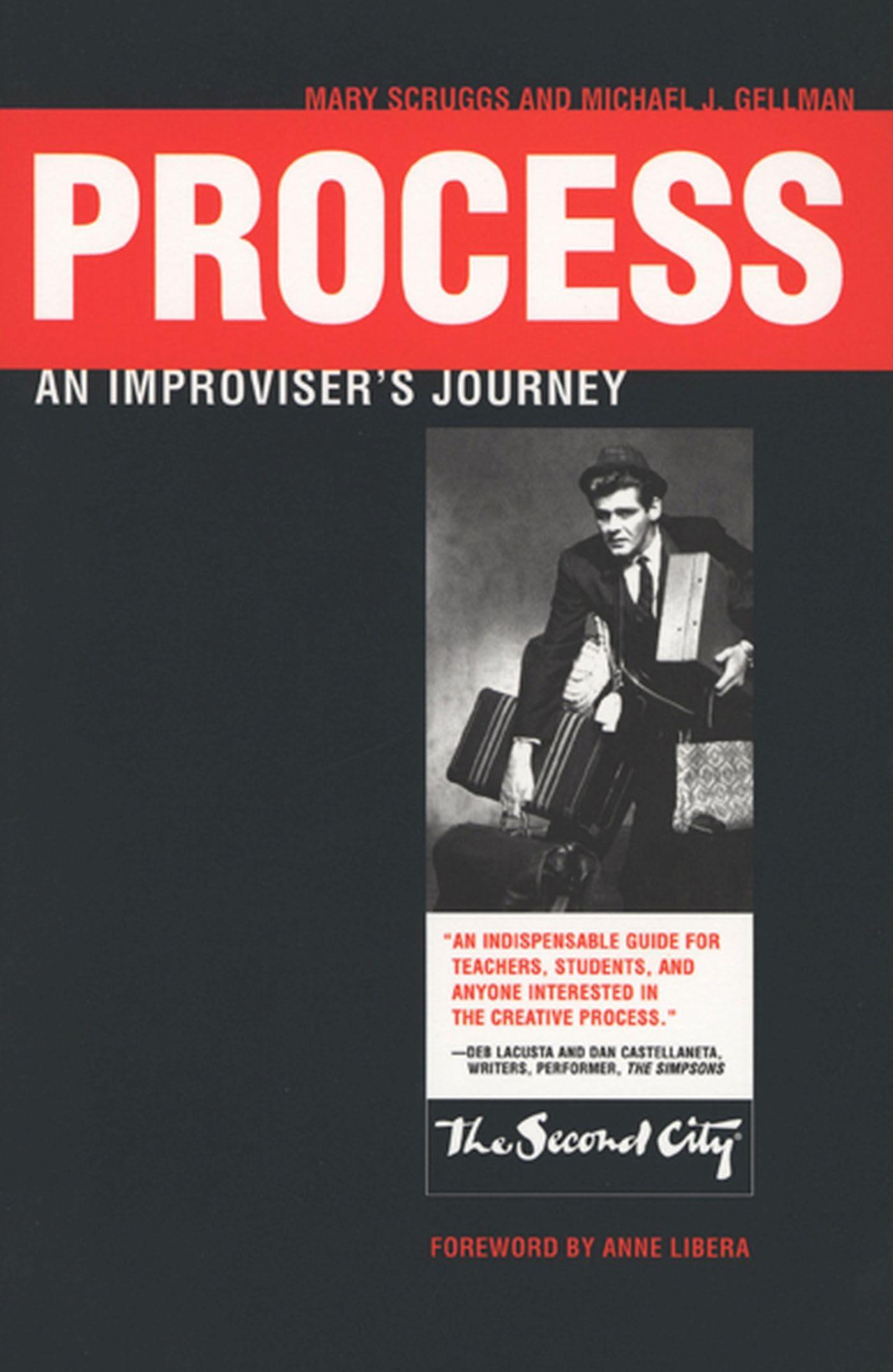
Process: An Improviser's Journey
Mary Scruggs; Michael J. Gellman
References
In the Archive
How to Reference This Page
The Improv Archive. (2026). Doug Diefenbach. Retrieved September 28, 2026, from https://improvarchive.org/people/doug-diefenbach
The Improv Archive. "Doug Diefenbach." The Improv Archive, 2026. https://improvarchive.org/people/doug-diefenbach.
The Improv Archive. "Doug Diefenbach." The Improv Archive, 2026, https://improvarchive.org/people/doug-diefenbach. Accessed September 28, 2026.
The Improv Archive is a systemically maintained repository. The archive itself acts as the corporate author.