Gilda Radner
Gilda Radner was a Detroit-born comedian and actress who trained and performed at The Second City Toronto before becoming one of the original cast members of Saturday Night Live in 1975. Over five seasons on Saturday Night Live she created a gallery of recurring characters, including Roseanne Roseannadanna, Emily Litella, Baba Wawa, Lisa Loopner, and Judy Miller, that established her as one of the most distinctive character comedians of her generation. She was among the first five inductees into the Saturday Night Live Hall of Fame. She died on May 20, 1989, of ovarian cancer at age forty-two, and Gilda's Club, the international cancer support organization, was founded in her name.
Career
Gilda Radner moved to Toronto in the late 1960s and became part of the city's performing arts community before finding her way into The Second City Toronto, where she trained and performed in the improvisational comedy tradition. Her time at Second City Toronto, alongside future collaborators including Bill Murray and Dan Aykroyd, gave her the ensemble performance skills and character-creation instincts that would define her subsequent work.
In the early 1970s Radner participated in the National Lampoon Radio Hour, the audio comedy program produced by National Lampoon that brought together a constellation of performers who would form the first generation of Saturday Night Live talent, including John Belushi, Chevy Chase, Harold Ramis, and Bill Murray. The Radio Hour allowed her to develop her vocal range and her skill at rapid character switching in an audio-only format.
In 1975 Radner was selected as one of the original cast members of Saturday Night Live, the live weekly comedy program created by Lorne Michaels for NBC. She joined Chevy Chase, Dan Aykroyd, John Belushi, Jane Curtin, Garrett Morris, and Laraine Newman in a cast that collectively defined the form and content of the program in its foundational years. Her contributions to Weekend Update, the mock news segment, included Emily Litella, an elderly activist who vociferously objects to a misheard cause before being corrected with the news anchor's reminder that she misheard, and Roseanne Roseannadanna, a flamboyant commentator who launched into extended digressions about bodily functions and personal complaints. These characters depended on the improvisational skills of sustained character commitment and responsive listening that her Second City training had developed.
Her additional recurring characters included Baba Wawa, a parody of Barbara Walters that became one of the show's most popular celebrity impressions; Lisa Loopner, a nerdy high school student defined by physical awkwardness and social anxiety; and Judy Miller, an overexcited child performing elaborate fantasy sequences in her bedroom. Each character was built on precise physical and vocal specificity of the kind that character-based improvisation training cultivates.
In 1979 Radner performed Gilda Live, a one-woman Broadway show that brought her Saturday Night Live characters to the stage at the Winter Garden Theatre and was subsequently filmed as a concert film directed by Mike Nichols. She left Saturday Night Live in 1980 after five seasons. She married Gene Wilder in 1984 and appeared in several films with him. In 1986 she was diagnosed with ovarian cancer, and she documented her illness and treatment in the memoir It's Always Something, published in 1989 shortly before her death on May 20, 1989, in Los Angeles.
Historical Context
Gilda Radner's selection for the original Saturday Night Live cast in 1975 placed her at the founding moment of what became the dominant institution in American live sketch comedy television. The original cast was assembled largely from the Second City Toronto and National Lampoon Radio Hour community, with Lorne Michaels drawing on the improvisational comedy training and ensemble sensibility of that network to staff the new program. Radner's presence in that group represents one of the most direct transfers of Second City-lineage improvisational training into the mainstream American television comedy landscape.
The characters Radner developed at Saturday Night Live, particularly Roseanne Roseannadanna and Emily Litella, were built on the principles of character improvisation: sustained physical and vocal specificity, genuine listening within the scene, and the ability to find and follow a character's logic even into absurdist territory. Emily Litella's structure, in which the character misunderstands a word and argues passionately from that misunderstanding until corrected, is formally similar to improvisational games based on shared misunderstanding, and its effectiveness depended on Radner's commitment to the character's internal consistency rather than on the joke alone.
Radner's death from ovarian cancer in 1989, at forty-two, cut short a performing career that had established her as one of the most distinctive character comedians of her generation. The founding of Gilda's Club in 1991 by Joanna Bull, who had been Radner's psychotherapist, and Gene Wilder, following Radner's death, extended her name and the significance of her illness into a sustained public health advocacy organization that has served hundreds of thousands of people living with cancer in the decades since its founding.
Key Events
Gilda Radner, Second City Toronto Alumna and Saturday Night Live Star, Dies
Gilda Radner died on May 20, 1989 in Los Angeles at the age of 42. Radner trained at The Second City Toronto before joining the original cast of Saturday Night Live in 1975, where she created iconic characters including Roseanne Roseannadanna and Emily Litella.
Legacy
Gilda Radner's characters at Saturday Night Live became touchstones of the program's first era and remain among the most frequently cited contributions to the show's foundational history. Roseanne Roseannadanna and Emily Litella have retained cultural recognition across multiple generations of Saturday Night Live viewers, appearing in retrospectives, documentaries, and critical assessments of the show's history as defining examples of the character comedy that the original cast established as the program's central mode.
Her Saturday Night Live Hall of Fame induction among the first five inductees confirmed her status within the institutional history of the program. The documentary Love, Gilda (2018), which drew on personal diary recordings, home videos, and interviews with contemporaries and admirers, provided a comprehensive account of her career and personal life that introduced her work to new audiences and demonstrated the continued cultural vitality of her artistic legacy.
Gilda's Club, founded in 1991 and merged with The Wellness Community in 2009 to form Cancer Support Community, now the world's largest cancer support organization with more than 170 locations globally, bears her name and directly extends the significance of her death into a lasting public health institution. The organization's scope and reach give Radner's legacy a humanitarian dimension that few performers in any tradition have achieved, connecting her individual story to the ongoing experience of hundreds of thousands of people living with cancer worldwide.
Early Life and Training
Gilda Susan Radner was born on June 28, 1946, in Detroit, Michigan. Her father, Herman Radner, was a hotel entrepreneur who died of a brain tumor when Gilda was fourteen. She attended the University of Michigan but did not graduate, moving to Toronto in the late 1960s where she entered the comedy world.
Personal Life
Gilda Radner was born on June 28, 1946, in Detroit, Michigan. She married G. E. Smith in 1980 and divorced in 1981; she married Gene Wilder in September 1984. She was diagnosed with ovarian cancer in 1986 and died on May 20, 1989, in Los Angeles.
Recommended Reading
Books are ordered from the strongest direct connection outward to broader relevance.

Something Wonderful Right Away
An Oral History of The Second City and The Compass Players
Jeffrey Sweet

The Art of Chicago Improv
Short Cuts to Long-Form Improvisation
Rob Kozlowski

Theatrical Improvisation
Short Form, Long Form, and Sketch-Based Improv
Jeanne Leep

The Second City Unscripted
Revolution and Revelation at the World-Famous Comedy Theater
Mike Thomas
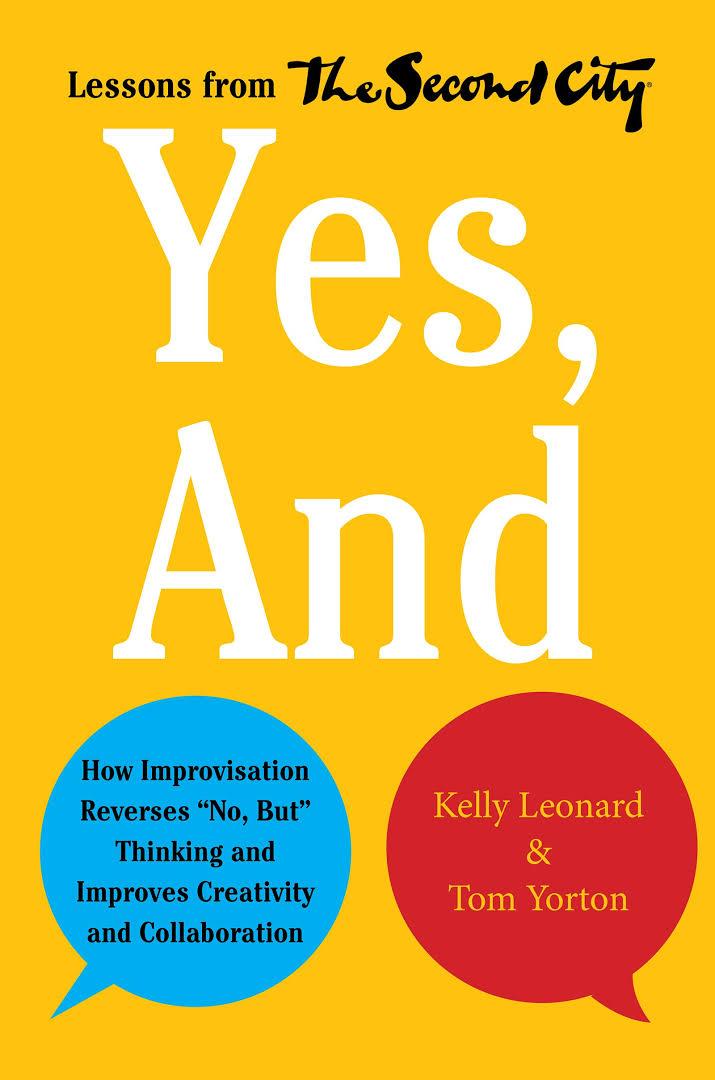
Yes, And
How Improvisation Reverses No, But Thinking and Improves Creativity and Collaboration
Kelly Leonard; Tom Yorton

The Art of Making Sh!t Up
Using the Principles of Improv to Become an Unstoppable Powerhouse
Norm LaViolette; Bob Melley
References
In the Archive
How to Reference This Page
The Improv Archive. (2026). Gilda Radner. Retrieved September 28, 2026, from https://improvarchive.org/people/gilda-radner
The Improv Archive. "Gilda Radner." The Improv Archive, 2026. https://improvarchive.org/people/gilda-radner.
The Improv Archive. "Gilda Radner." The Improv Archive, 2026, https://improvarchive.org/people/gilda-radner. Accessed September 28, 2026.
The Improv Archive is a systemically maintained repository. The archive itself acts as the corporate author.