Harold Ramis
Harold Ramis was a Chicago-born comedian, screenwriter, director, and actor who trained and performed at The Second City Chicago before becoming one of the most commercially successful comedy writers and directors to emerge from the improvisational tradition. His Second City training informed a career that produced National Lampoon's Animal House (1978), Caddyshack (1980), Stripes (1981), Ghostbusters (1984), and Groundhog Day (1993), films that defined mainstream American comedy for a generation. He also performed in the original cast of SCTV and co-starred in Ghostbusters as Egon Spengler. He died on February 24, 2014, and The Second City named the Harold Ramis Film School in his honor when it opened in 2018.
Career
Harold Ramis returned to Chicago after college and found his way into the improvisational comedy world through Second City, where he began performing and writing in the late 1960s. He became a cast member of The Second City Chicago and eventually its head writer, developing the skills of collaborative comedic writing and ensemble performance that would define his subsequent Hollywood career.
In 1971 Ramis joined SCTV as part of the original ensemble assembled by Lorne Michaels's collaborators for the sketch comedy television program. He contributed writing and performed in the program's early seasons, working alongside fellow Second City alumni John Candy, Eugene Levy, Catherine O'Hara, Andrea Martin, and Dave Thomas in a collaborative ensemble environment that directly extended the improvisational writing and performance culture of Second City into television production.
Ramis was a key creative figure in the National Lampoon enterprise in the 1970s, contributing to the National Lampoon Radio Hour and co-writing National Lampoon's Animal House (1978) with Doug Kenney and Chris Miller. Animal House, directed by John Landis and produced by Universal Pictures, became one of the highest-grossing comedies in American film history at the time of its release and established the raucous ensemble comedy as a viable Hollywood genre.
Ramis directed his first feature, Caddyshack, in 1980, co-writing the script with Brian Doyle-Murray and Douglas Kenney. The film, which starred Bill Murray, Chevy Chase, Rodney Dangerfield, and Ted Knight, became a defining comedy of its era and a sustained cult classic. He followed it with Stripes (1981), which he co-wrote and in which he co-starred alongside Bill Murray as Army recruits, and National Lampoon's Vacation (1983), which he wrote.
Ghostbusters (1984), which Ramis co-wrote with Dan Aykroyd and in which he co-starred as Egon Spengler alongside Aykroyd, Murray, and Ernie Hudson, became one of the highest-grossing comedies in American film history and generated a franchise that extended across sequels, animated series, merchandise, and eventual revivals. The film applied the ensemble comedy sensibility of the Second City tradition to a supernatural comedy premise, producing a commercially and critically successful synthesis of genre and comedy that demonstrated the broad applicability of improv-trained collaborative writing.
Groundhog Day (1993), which Ramis directed and co-wrote with Danny Rubin, starred Bill Murray as a television weatherman caught in a time loop. The film achieved sustained critical and cultural recognition, entered the permanent canon of American comedy, and became a reference point for philosophical and psychological commentary on themes of repetition, change, and moral development. It is widely regarded as one of the finest American comedies of the twentieth century.
Ramis continued directing through the 2000s, including Analyze This (1999) with Billy Crystal and Robert De Niro, and The Ice Harvest (2005). He also performed a recurring role on the television series Knocked Up and appeared in various comedy productions. He died on February 24, 2014, in Chicago, from complications of autoimmune inflammatory vasculitis.
Historical Context
Harold Ramis's career arc, from Second City performer to Hollywood comedy writer and director, documents one of the most direct and consequential transfers of improvisational comedy skills into mainstream American popular culture in the history of the form. His training at Second City in the late 1960s gave him the collaborative writing sensibility, the ensemble performance orientation, and the commitment to character-based comedy that he subsequently applied, with his collaborators, to a series of films that reshaped the commercial comedy landscape of the late twentieth century.
The films Ramis wrote and directed in the period from 1978 to 1993 collectively established the template for mainstream American movie comedy that dominated the genre for decades: ensemble-based, character-driven, grounded in specific social milieu (college, the military, a supernatural emergency, a small-town television market), and informed by a collaborative improvisational sensibility even when working from scripted material. National Lampoon's Animal House, Caddyshack, Stripes, Ghostbusters, and Groundhog Day are each benchmarks of their respective comedic modes, and they were produced by a writer and director whose foundational training was in the improvisational ensemble tradition.
The recurring collaboration with Bill Murray, a fellow Second City alumnus, across Stripes, Ghostbusters, and Groundhog Day represents one of the most commercially successful creative partnerships in American comedy history, and one whose productive basis was the shared ensemble performance sensibility developed through Second City training. Murray's improvisational instincts and Ramis's structural and writing discipline produced a creative dynamic that balanced spontaneous invention with narrative coherence in ways that characterized the best American screen comedy of the period.
The Harold Ramis Film School, which Second City established in 2018 and named in his honor, acknowledges his status as the most commercially prominent figure to emerge from the Second City tradition and institutionalizes the connection between improvisational training and screen comedy writing that his career exemplified.
Key Events
Harold Ramis, Second City Alumnus and Comedy Filmmaker, Dies in Chicago
Harold Ramis died on February 24, 2014 in Chicago at the age of 69. Ramis trained and performed at The Second City before co-writing "Animal House" and "Ghostbusters" and directing "Caddyshack" and "Groundhog Day." His career demonstrated the direct pipeline from Chicago improv training to Hollywood comedy.
Legacy
Harold Ramis is the most commercially successful screenwriter and director to emerge from the Second City tradition. The films he wrote and directed, individually and collectively, define the landscape of mainstream American comedy from the late 1970s through the 1990s and have sustained their cultural presence across multiple subsequent decades. National Lampoon's Animal House established the ensemble college comedy; Caddyshack established the country club comedy; Ghostbusters created a durable comedy-genre franchise; and Groundhog Day became a philosophical comedy touchstone that is regularly cited in discussions of time, morality, and human development extending well beyond the film world.
The Harold Ramis Film School, housed at Second City's Chicago campus and opened in 2018, provides the most direct institutional acknowledgment of his contribution. The school trains film and television writers in the collaborative improv-rooted approach that Ramis exemplified, connecting the pedagogical tradition of Second City directly to screen comedy writing and explicitly honoring the practitioner who most visibly demonstrated that tradition's commercial applicability.
Ramis's sustained collaboration with Bill Murray, anchored in their shared Second City background, and the broader creative network he maintained with fellow Chicago-trained comedians including Dan Aykroyd and John Candy, documents the long-term professional productivity of the ensemble bonds formed in improvisational comedy training. His career is one of the strongest pieces of evidence in the historical record for the claim that improvisational training produces not just performers but collaborative writers and creative leaders capable of sustaining productive creative relationships across decades of professional work.
Early Life and Training
Harold Allen Ramis was born on November 21, 1944, in Chicago, Illinois, into a Jewish family. He attended Senn High School on Chicago's North Side and graduated from Washington University in St. Louis in 1966 with a degree in English. After graduating he returned to Chicago, where he worked as a journalist for the Chicago Daily News and as an orderly at a state mental hospital before entering the comedy world.
Personal Life
Harold Allen Ramis was born on November 21, 1944, in Chicago, Illinois. He attended Washington University in St. Louis and graduated in 1966. He died on February 24, 2014, in Chicago, from complications of autoimmune inflammatory vasculitis.
Media Appearances
Recommended Reading
Books are ordered from the strongest direct connection outward to broader relevance.

Something Wonderful Right Away
An Oral History of The Second City and The Compass Players
Jeffrey Sweet

The Art of Chicago Improv
Short Cuts to Long-Form Improvisation
Rob Kozlowski

The Second City Unscripted
Revolution and Revelation at the World-Famous Comedy Theater
Mike Thomas

Long Form Improvisation and American Comedy
The Harold
Matt Fotis
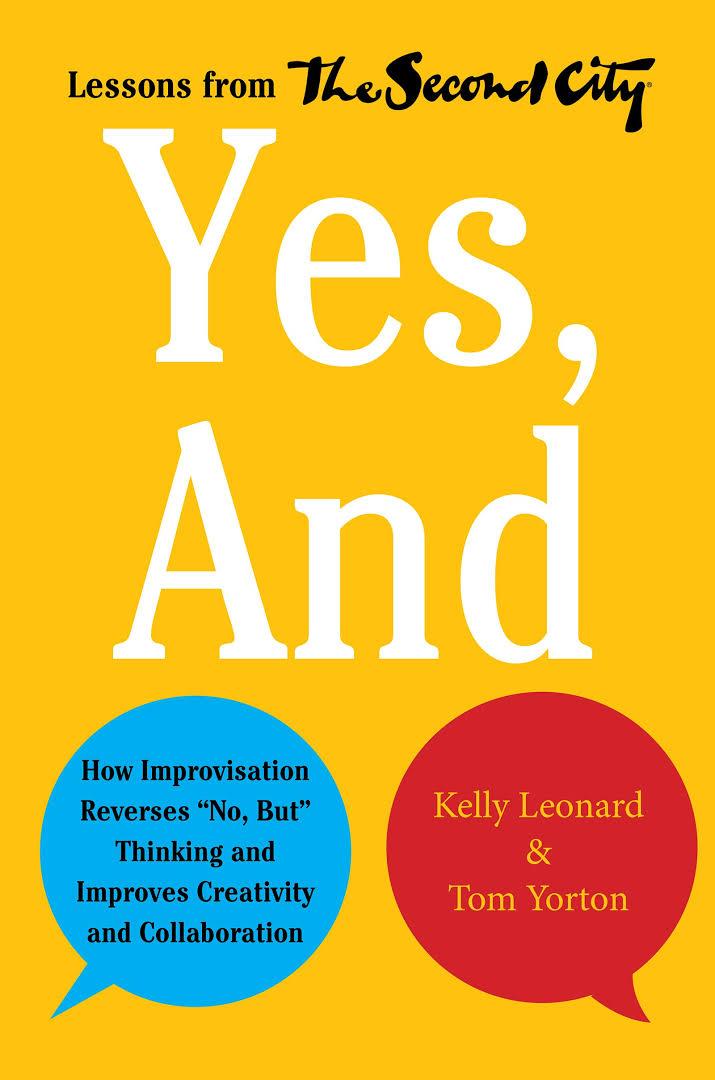
Yes, And
How Improvisation Reverses No, But Thinking and Improves Creativity and Collaboration
Kelly Leonard; Tom Yorton
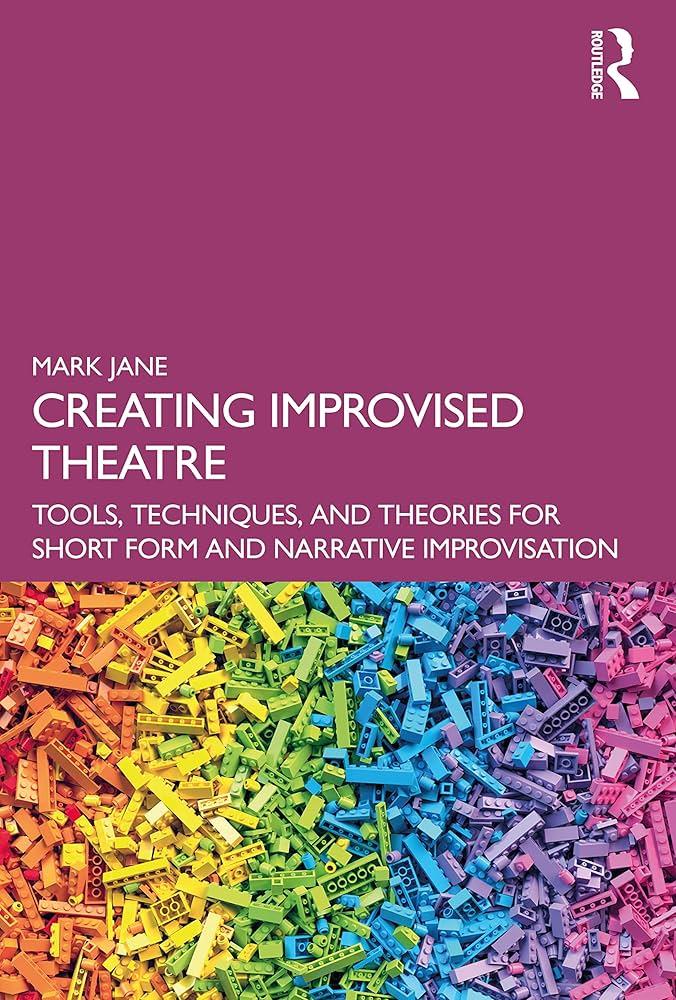
Creating Improvised Theatre
Tools, Techniques, and Theories
Mark Jane
References
In the Archive
How to Reference This Page
The Improv Archive. (2026). Harold Ramis. Retrieved September 29, 2026, from https://improvarchive.org/people/harold-ramis
The Improv Archive. "Harold Ramis." The Improv Archive, 2026. https://improvarchive.org/people/harold-ramis.
The Improv Archive. "Harold Ramis." The Improv Archive, 2026, https://improvarchive.org/people/harold-ramis. Accessed September 29, 2026.
The Improv Archive is a systemically maintained repository. The archive itself acts as the corporate author.