Howard Alk was a Chicago-based filmmaker and theater co-founder who is credited with suggesting the name for The Second City, which he co-founded with Paul Sills and Bernard Sahlins in December 1959. He left the theater in the early 1960s to pursue filmmaking, founding The Film Group in Chicago and becoming one of the most significant documentary filmmakers to emerge from the city's cultural community. His documentary work included American Revolution 2 (1969) and The Murder of Fred Hampton (1971), and he was a long-term collaborator with Bob Dylan on multiple film projects. He died in January 1982.
Career
Howard Alk was a central figure in the founding of The Second City in Chicago, credited with suggesting the theater's name, which was derived from an A.J. Liebling article satirizing Chicago published in The New Yorker. He co-founded The Second City in December 1959 alongside Paul Sills, who directed the inaugural production, and Bernard Sahlins, who served as producer, in a 120-seat theater at 1616 North Wells Street in Old Town. The three founders, all University of Chicago alumni and associates, launched the theater from the improvisational foundation that Sills had built through The Compass Players and subsequent ensembles, applying the game-based improvisational tradition developed through Viola Spolin's Theatregames to the revue format that became Second City's signature form. The founding ensemble included Barbara Harris, Roger Bowen, Andrew Duncan, Severn Darden, and Mina Kolb, among others, performing original scenes and characters developed through improvisation that were then shaped into repeatable revue segments.
Alk's institutional role at The Second City extended through the theater's founding period before he left in the early 1960s to pursue an independent path in filmmaking. He founded The Film Group in Chicago, a production company that became a center for independent and documentary filmmaking in the city during the 1960s, working with filmmakers and subjects that reflected the political and cultural upheavals of the decade.
As a documentary filmmaker, Alk directed American Revolution 2 (1969), which chronicled the political upheaval of Chicago's 1968 Democratic National Convention and its aftermath, including the police confrontations with protesters that became a defining event of the era. He also directed The Murder of Fred Hampton (1971), which documented the circumstances surrounding the killing of Fred Hampton, the Illinois chairman of the Black Panther Party, by Chicago police officers in December 1969. Both films represented significant contributions to the tradition of politically engaged documentary filmmaking and were recognized as important historical documents of the turbulent social conditions of their era.
Alk developed a long-term collaborative relationship with Bob Dylan, working on several of Dylan's film projects as cinematographer, editor, and director across more than a decade. He contributed to Dont Look Back (1967), D.A. Pennebaker's documentary of Dylan's 1965 British tour, and served as editor or director on Eat the Document, Dylan's film of his 1966 European tour; Hard Rain (1976); and Renaldo and Clara (1978), Dylan's four-hour experimental film. His work on these projects made him one of the principal visual collaborators in Dylan's extensive film-related output during this period and situated him at an unusual convergence of the Chicago theater world, the politically engaged documentary tradition, and the rock music film culture of the era.
Alk died in January 1982 in Los Angeles.
Historical Context
Howard Alk's role in founding The Second City places him among the small group of individuals who created the institution from which the improvisational comedy tradition's most durable organizational form emerged. The Second City's founding in December 1959 built directly on The Compass Players' experiment with improvisational performance for university audiences at the University of Chicago, extending that experiment into a professional entertainment venue at a fixed address in Old Town that would sustain itself through commercial performance revenue and generate alumni who would transform American comedy television, film, and theater.
Alk's departure from The Second City and his subsequent career in documentary filmmaking represent one of the paths that the institution's founders took as it became established. While Sahlins continued as producer and Sills remained a periodic creative presence, Alk moved into documentary and experimental film, applying the collaborative and observational skills developed in the improvisational theater community to politically engaged cinema. His collaborations with Bob Dylan connected the Chicago theater world of the late 1950s to the rock music film tradition of the 1960s and 1970s in an unusual convergence of two of the era's most significant cultural movements.
Legacy
Alk's co-founding of The Second City, including his contribution of the theater's name, places him in the founding generation of an institution that has shaped American comedy for more than six decades. The Second City has produced more alumni who have appeared on Saturday Night Live than any other institution and remains the most commercially and institutionally significant comedy theater in American history. Alk's role in the founding moment of that institution, however brief his subsequent involvement, gives him a documented place in the history of American comedy.
His documentary films American Revolution 2 and The Murder of Fred Hampton are recognized as significant contributions to the tradition of politically engaged documentary filmmaking. The Murder of Fred Hampton in particular has been recognized as an important historical document of the circumstances surrounding Hampton's killing and has remained in circulation as a reference point for documentary filmmakers and historians of the civil rights era.
His work with Bob Dylan on Renaldo and Clara and the other Dylan film projects extends his creative legacy into the history of rock music cinema and documentary art film, connecting the improvisational theater community of late 1950s Chicago to one of the most documented artistic careers of the twentieth century.
Early Life and Training
Howard Alk was born on October 25, 1930, in Chicago, Illinois.
Personal Life
Howard Alk was born on October 25, 1930, in Chicago, Illinois. He died in January 1982 in Los Angeles.
Companies and Organizations
Associated venues and institutional relationships currently documented in the archive.
Recommended Reading
Books are ordered from the strongest direct connection outward to broader relevance.

Something Wonderful Right Away
An Oral History of The Second City and The Compass Players
Jeffrey Sweet

The Art of Chicago Improv
Short Cuts to Long-Form Improvisation
Rob Kozlowski

Theatrical Improvisation
Short Form, Long Form, and Sketch-Based Improv
Jeanne Leep

The Second City Unscripted
Revolution and Revelation at the World-Famous Comedy Theater
Mike Thomas

Long Form Improvisation and American Comedy
The Harold
Matt Fotis
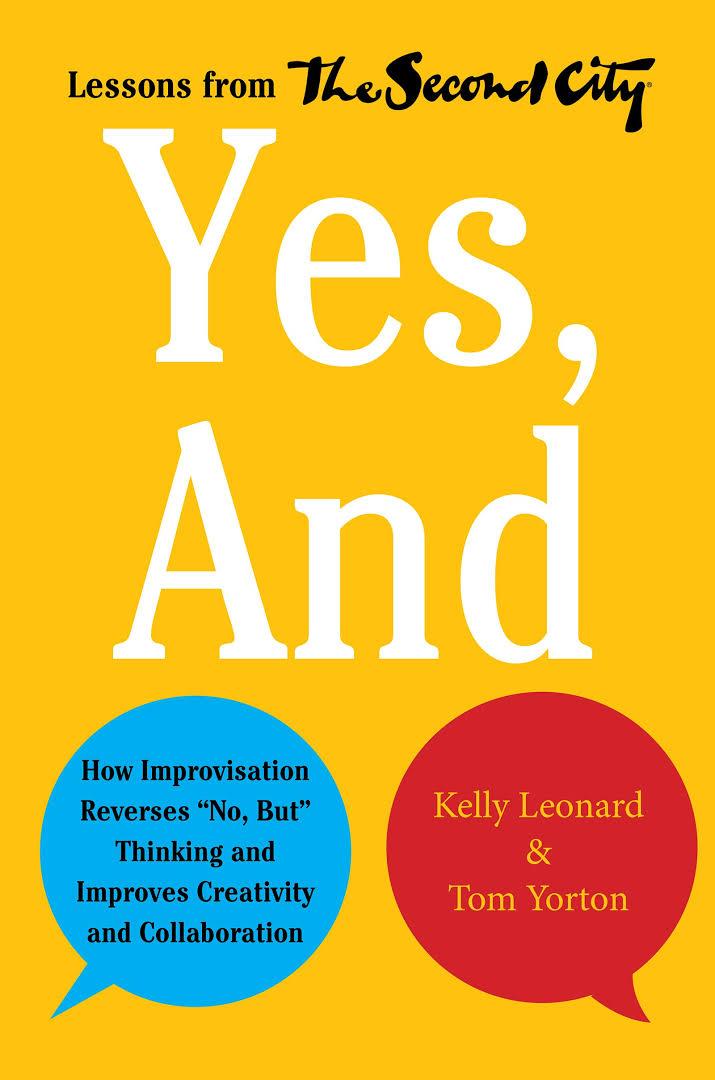
Yes, And
How Improvisation Reverses No, But Thinking and Improves Creativity and Collaboration
Kelly Leonard; Tom Yorton
References
In the Archive
How to Reference This Page
The Improv Archive. (2026). Howard Alk. Retrieved September 28, 2026, from https://improvarchive.org/people/howard-alk
The Improv Archive. "Howard Alk." The Improv Archive, 2026. https://improvarchive.org/people/howard-alk.
The Improv Archive. "Howard Alk." The Improv Archive, 2026, https://improvarchive.org/people/howard-alk. Accessed September 28, 2026.
The Improv Archive is a systemically maintained repository. The archive itself acts as the corporate author.