Jimmy Carrane
Jimmy Carrane is a Chicago-based improviser, teacher, podcaster, and author who studied under Del Close at Improv Olympic and Martin De Maat at Columbia College, performed as an original member of Jazz Freddy and Armando at iO Chicago, and developed the Art of Slow Comedy teaching methodology, which treats improvisational performance as an acting discipline centered on emotional truth and behavioral authenticity. His Improv Nerd podcast, launched in 2012, has conducted hundreds of in-depth interviews with improvisers and comedy educators, building one of the most comprehensive oral history archives of American improvisational comedy. He has co-authored three improv books including Improvising Better: A Guide for the Working Improviser.
Career
Jimmy Carrane studied at Improv Olympic in the 1980s under Del Close, who had co-developed the Harold with Charna Halpern and was the theoretical architect of the long-form tradition. He also trained under Martin De Maat at Columbia College Chicago, a figure who influenced the emotional and actor-focused approach to improv pedagogy that would later characterize Carrane's own teaching. Both Close and De Maat emphasized the interior psychological life of the performer over external comedy technique, an orientation that Carrane absorbed and systematized into his own approach.
Carrane was an original member of Jazz Freddy, the Harold team at iO Chicago that ran in the early 1990s and was widely regarded as one of the finest Harold teams of the era, demonstrating the form at a level of sophistication that influenced subsequent generations of iO performers. He was also an original member of Armando, the iO show built around a single performer's personal monologue that feeds the scenes that follow, a format later codified as The Armando Diaz Experience and named for Armando Diaz, the show's originating monologist.
With Stephanie Weir, Carrane created Naked at the Annoyance Theatre, described as one of the first dedicated two-person improv shows in Chicago, which ran at the theater and developed the form's possibilities for intimate ensemble work between two performers without the buffering support of a larger group. He performed a one-man personal narrative show at the Annoyance, I'm 27, I Still Live at Home, and I Sell Office Supplies, which ran for a year and a half and applied confessional personal narrative to the solo performance format.
He has taught improv at Second City, iO Chicago, and the Annoyance across multiple decades, developing the Art of Slow Comedy, his signature teaching methodology. The approach treats improv as an acting discipline rather than a comedy performance sport, asking performers to prioritize emotional truth and behavioral believability over speed, cleverness, and joke construction, operating on the conviction that genuine comedy emerges from authentic human behavior rather than from aggressive comedic intention.
In 2012, Carrane launched the Improv Nerd podcast, which features extended interviews with improvisers, comedy teachers, writers, and performers from iO, Second City, the Annoyance, UCB, and the broader improv community. The podcast has produced hundreds of episodes, building an oral history of American improv through the accumulated testimonies of its practitioners in their own words. He has co-authored three books on improv with Lauren Carrane: Improvising Better: A Guide for the Working Improviser (Heinemann, co-written with Liz Allen), Improv Therapy, and The Inner Game of Improv.
Historical Context
Carrane's original membership in Jazz Freddy at iO in the early 1990s places him within the generation of performers who developed the Harold to its second-generation maturity after Close and Halpern's founding formulations. Jazz Freddy was widely regarded among the finest Harold teams of its era, demonstrating the form's possibilities at a level of ensemble sophistication that set a performance standard for subsequent iO teams. The team's influence on Chicago improv practice extended through the performers who watched its work and through the teaching careers that its members subsequently developed.
The Armando form, in which Carrane participated as an original company member, became one of iO's most enduring institutional innovations, spreading through the American improv community to theaters including UCB in New York and Los Angeles and becoming a standard long-form structure in repertoires nationally and internationally. Carrane's presence in both Jazz Freddy and Armando during their founding periods documents his position at the center of iO's creative development during the most generative decade of the theater's long-form tradition.
The Art of Slow Comedy's emphasis on emotional truth over comedic aggression represents a pedagogical position within the ongoing conversation in improv about the relationship between acting and comedy. Carrane's approach draws explicitly on the actor-focused methodologies of his teachers Close and De Maat, situating itself as a corrective to the tendency toward external comedic performance that intensive training in short-form games and audience suggestion formats can produce.
Teaching Philosophy
The Art of Slow Comedy, Carrane's named teaching methodology, treats improv as an acting discipline in which emotional truth and behavioral authenticity produce superior comedy rather than as a comedy performance game in which speed and cleverness are primary virtues. Its central claim is that improvisers should be believable human beings first, and that genuine comedy follows naturally from authentic human behavior rather than from comedic intention imposed from outside the scene. The approach asks performers to slow down, connect to their actual emotional state, and find the scene's meaning through the actor's internal process rather than through external comedic strategy. Carrane has spoken publicly about his own experiences with anxiety and self-worth difficulties in performance, which shaped his conviction that the psychological interior of the improviser is as important a subject for training as the external skills of scene construction and audience engagement.
Legacy
Improv Nerd has become one of the most significant archival resources in the history of American improvisational comedy, its hundreds of episodes constituting an oral history of the form assembled through practitioner testimony spanning multiple generations and institutions. The podcast reaches listeners who might not encounter improv through live theater attendance, functioning as both an educational resource and a community document that preserves the accounts of performers and teachers whose institutional history might otherwise exist only in the memory of those who shared the same rooms.
Carrane's Art of Slow Comedy methodology has been taught at Second City, iO, and the Annoyance as well as through independent workshops, extending the emotional-truth orientation of the De Maat and Close pedagogical traditions into a named and structured teaching system that other instructors can reference and practice. His three co-authored books provide written formulations of his approach that extend its reach beyond the classroom settings where it was developed.
His original memberships in Jazz Freddy and Armando during the founding periods of both ensembles place him within the core genealogy of iO's most influential performance innovations, connecting his subsequent teaching career to the performance traditions those ensembles established.
Early Life and Training
Jimmy Carrane took his first improv class at The Second City at age nineteen. He pursued formal training at Improv Olympic under Del Close and at Columbia College Chicago under Martin De Maat, one of the city's most influential comedy educators.
Personal Life
Jimmy Carrane is based in Chicago, where he has taught, performed, and podcasted for more than three decades. He is married to Lauren Carrane, with whom he has co-authored Improv Therapy and The Inner Game of Improv.
Media Appearances
Recommended Reading
Books are ordered from the strongest direct connection outward to broader relevance.
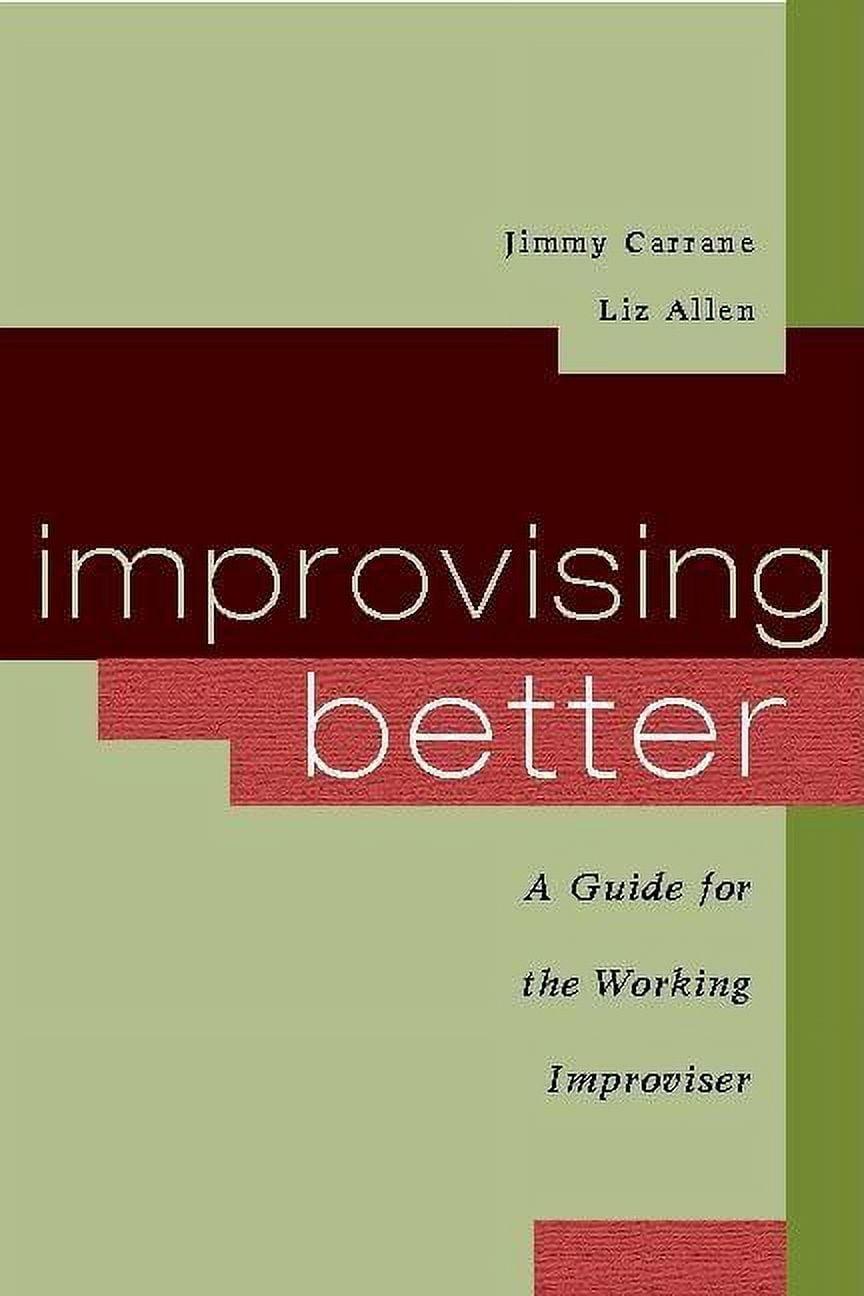
Improvising Better
A Guide for the Working Improviser
Jimmy Carrane

The Art of Chicago Improv
Short Cuts to Long-Form Improvisation
Rob Kozlowski

Long Form Improvisation and American Comedy
The Harold
Matt Fotis
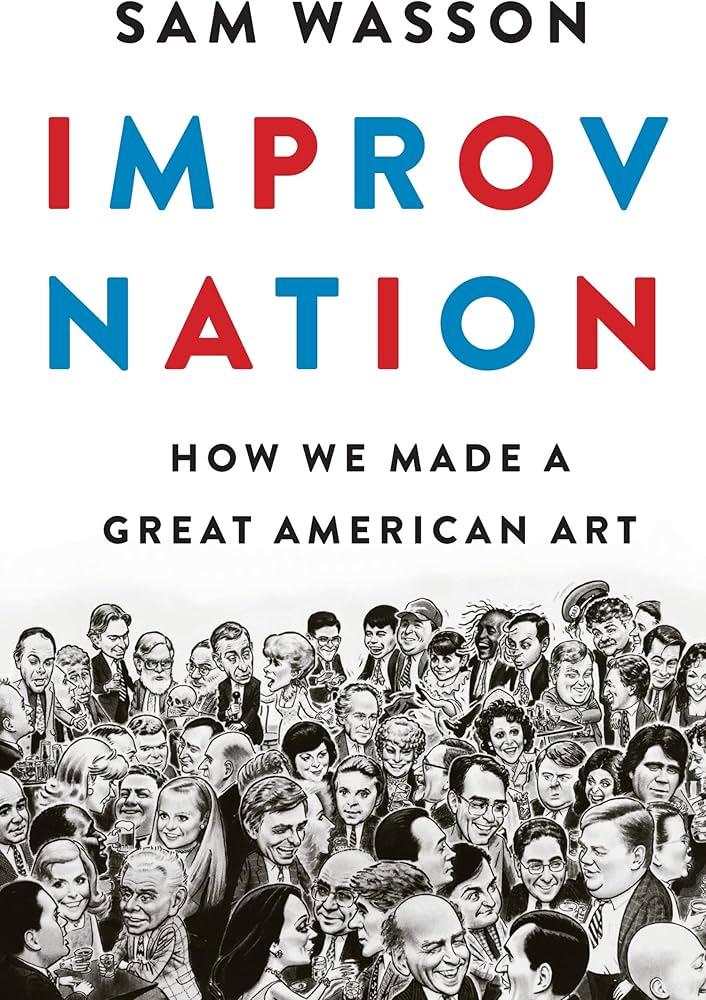
Improv Nation
How We Made a Great American Art
Sam Wasson

Truth in Comedy
The Manual of Improvisation
Charna Halpern; Del Close; Kim Howard Johnson

The 5 Elements of Improv
How to Take Your Improv to the Next Level
Andrew M. Spragge; Karen L. Eichler
References
In the Archive
How to Reference This Page
The Improv Archive. (2026). Jimmy Carrane. Retrieved September 28, 2026, from https://improvarchive.org/people/jimmy-carrane
The Improv Archive. "Jimmy Carrane." The Improv Archive, 2026. https://improvarchive.org/people/jimmy-carrane.
The Improv Archive. "Jimmy Carrane." The Improv Archive, 2026, https://improvarchive.org/people/jimmy-carrane. Accessed September 28, 2026.
The Improv Archive is a systemically maintained repository. The archive itself acts as the corporate author.