Joan Darling
Joan Darling (born April 14, 1935) is an actor, director, and acting teacher whose improvisational theater training at The Premise in New York City in 1960 directly shaped her subsequent career as a pioneering television director. She directed Chuckles Bites the Dust for The Mary Tyler Moore Show in 1975, widely considered one of the greatest episodes in American television history, and received a 1976 Emmy nomination for Outstanding Directing in a Comedy Series, making her the first woman ever nominated for that award. She directed the first twenty-three episodes of Norman Lear's Mary Hartman, Mary Hartman in 1975-1976, directed the feature film First Love in 1976, and has served as a Creative Advisor at the Sundance Institute Directors Lab for more than thirty years, using improvisation-based exercises drawn from her Premise Players experience.
Career
Joan Darling joined The Premise, the first improvisational theater company in New York City, in 1960, after auditioning for the company founded by director and playwright Theodore J. Flicker in Greenwich Village. The Premise performed satirical improvisational sketches, making it one of the earliest institutional homes for improvisational performance on the East Coast, operating in parallel with Second City's establishment in Chicago and predating the founding of ImprovOlympic by decades. Contemporaries in the company included Tom Aldredge, Gene Hackman, and Ron Leibman. A young Dustin Hoffman, who auditioned for The Premise and was not accepted, served briefly as a coffee maker for the company during this period. Darling performed regularly at The Premise from 1960 to approximately 1962.
She transitioned from performance to acting work in off-Broadway productions in the early 1960s, making her Broadway debut in 1967 in A Minor Adjustment. Her film work included appearances in Theodore J. Flicker's The Troublemaker (1964) and The President's Analyst (1967). She developed a recurring television role as an office secretary on Owen Marshall: Counselor at Law.
In 1974, Darling made the transition from acting to directing, a move that would define the most historically significant phase of her career. In 1975, she directed the pilot and first twenty-three episodes of Norman Lear's Mary Hartman, Mary Hartman, the satirical soap opera that Lear produced for syndication as an alternative to network broadcast censorship. The same year, she directed Chuckles Bites the Dust, the Mary Tyler Moore Show episode in which Mary Richards attends the funeral of the station's clown and cannot suppress her laughter during the service. The episode, written by David Lloyd, is regularly cited by television critics and historians as one of the greatest individual episodes in American television comedy history. Her direction of the episode earned her a 1976 Emmy nomination for Outstanding Directing in a Comedy Series, making her the first woman ever nominated for the Emmy in that category.
In 1976, she directed the feature film First Love, starring Susan Dey, making her one of a very small number of women to direct a major Hollywood studio feature during a period when studio direction was almost exclusively male. She directed subsequent television episodes including Rhoda, Doc, Taxi, MASH, The Bob Newhart Show, The Bionic Woman, Magnum P.I., and Steven Spielberg's Amazing Stories, building a television directing career across multiple genres and networks. In 1985, she won an Emmy Award and a Directors Guild of America Award for directing ABC Afterschool Specials.
From 1993 onward, Darling created and led the Directing the Actor workshop at the Sundance Institute's Directors Lab, where she has served as Creative Advisor for more than thirty years. The workshop applies improvisation-based exercises derived from her experience at The Premise to the director-actor relationship, training film directors in the use of improvisational principles to develop performances and support actors' creative processes. She has also taught at Vermont College of Fine Arts.
Historical Context
Joan Darling's career represents one of the most direct documented translations of New York improvisational theater training from the early 1960s into mainstream American television direction. Her training at The Premise, which operated as the East Coast's first institutional home for improvisational comedy performance in the period immediately following Compass Players and Second City's establishment in Chicago, provided her with an ensemble performance methodology that she later identified as foundational to her directorial approach.
The Emmy nomination Darling received in 1976 for her direction of Chuckles Bites the Dust was historically significant beyond the individual episode: it established for the first time that a woman could receive formal industry recognition for television comedy direction at the highest professional level. The nomination preceded by decades the broader normalization of women in comedy directing roles in American television, and it emerged from a body of work that traced directly to her improvisational training rather than to the conventional acting and directing pathways that had produced the male directors who preceded her in the category.
Norman Lear's selection of Darling to direct the first twenty-three episodes of Mary Hartman, Mary Hartman confirmed her standing among the most capable television comedy directors of the mid-1970s. The show's satirical soap opera format, which required performers to sustain extended dramatic and comedic registers simultaneously, demanded a director with experience managing ensemble performance in conditions where naturalistic and absurdist impulses had to coexist, a challenge to which her Premise training was directly relevant.
The Sundance Institute Directors Lab workshop Darling developed from 1993 institutionalized the application of improvisational principles to film direction at one of the most prestigious development programs in American independent film, placing the practical knowledge of her Premise Players experience within the curriculum of a major institutional context for film directing.
Teaching Philosophy
Darling's teaching approach at the Sundance Institute Directors Lab centers on the director-actor relationship as the site of improvisational practice in filmmaking. Drawing on her Premise Players experience, she teaches directors to approach performers with the same listening, openness, and collaborative presence that improvisation requires of scene partners, treating the director's role as that of an ensemble member supporting the actor's creative process rather than as an authority imposing a predetermined vision. Her workshop uses improvisational exercises not to train directors in improvisation as a form but to develop the relational and perceptual capacities that effective direction of actors requires, applying the ensemble principles of improv to the collaborative work of narrative film production.
Legacy
Darling's 1976 Emmy nomination for Chuckles Bites the Dust placed her in the record as the first woman ever nominated for the Academy of Television Arts and Sciences' award for comedy direction, a historical marker that her directorial achievement at The Mary Tyler Moore Show made possible. The episode she directed remains one of the most cited instances of excellence in American television comedy direction, and her nomination represented the first formal industry recognition that a woman could achieve that distinction.
Her thirty-plus-year tenure at the Sundance Institute Directors Lab has transmitted the practical principles of improvisational performance to generations of film directors who attend the lab from around the world. The workshop she created, which centers the director-actor relationship and uses improvisation as its primary tool for developing performance, applies the institutional knowledge of early New York improv to the development of film directors in a context that reaches practitioners who may never have encountered improvisational theater directly.
Her career trajectory from The Premise to Chuckles Bites the Dust to Sundance documents the path by which improvisational theater training from the early 1960s East Coast scene, operating at the moment when the form was first establishing institutional homes in New York, translated into both landmark individual television achievements and sustained institutional influence on American filmmaking.
Early Life and Training
Joan Darling was born Joan Kugell on April 14, 1935, in Newton, Massachusetts, and raised in Brookline. She was the oldest of four children. Her father Simon Harris Kugell founded the Boston University Law Review. She attended Brookline High School, the Carnegie Institute of Technology, and the University of Texas, where she studied acting. She acquired her stage name through her marriage to singer Erik Darling of The Tarriers and The Weavers.
Personal Life
Joan Darling was born Joan Kugell on April 14, 1935, in Newton, Massachusetts. She was married to singer Erik Darling, from whom she acquired her stage name. She has taught at Vermont College of Fine Arts and has been a Creative Advisor at the Sundance Institute Directors Lab since 1993.
Recommended Reading
Books are ordered from the strongest direct connection outward to broader relevance.

Something Wonderful Right Away
An Oral History of The Second City and The Compass Players
Jeffrey Sweet
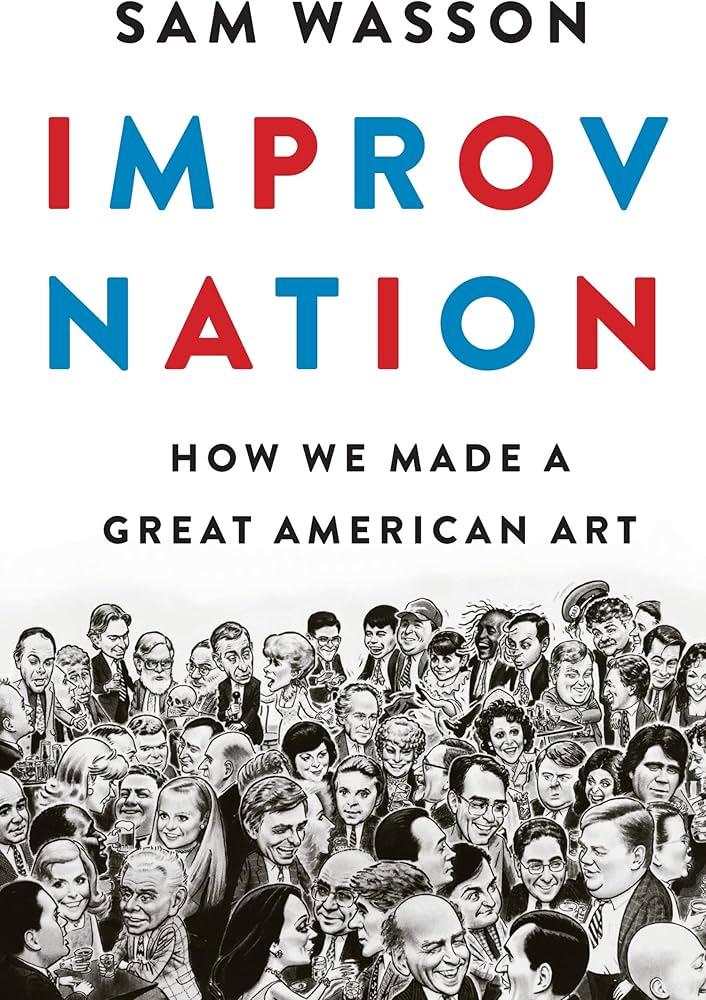
Improv Nation
How We Made a Great American Art
Sam Wasson

Truth in Comedy
The Manual of Improvisation
Charna Halpern; Del Close; Kim Howard Johnson
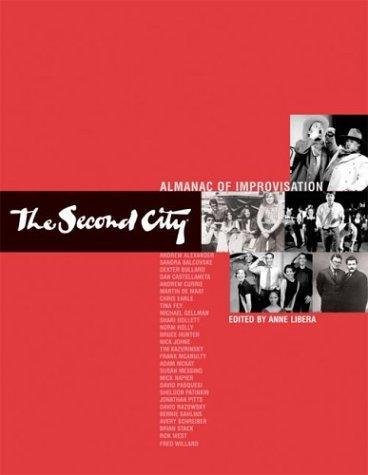
The Second City Almanac of Improvisation
Anne Libera
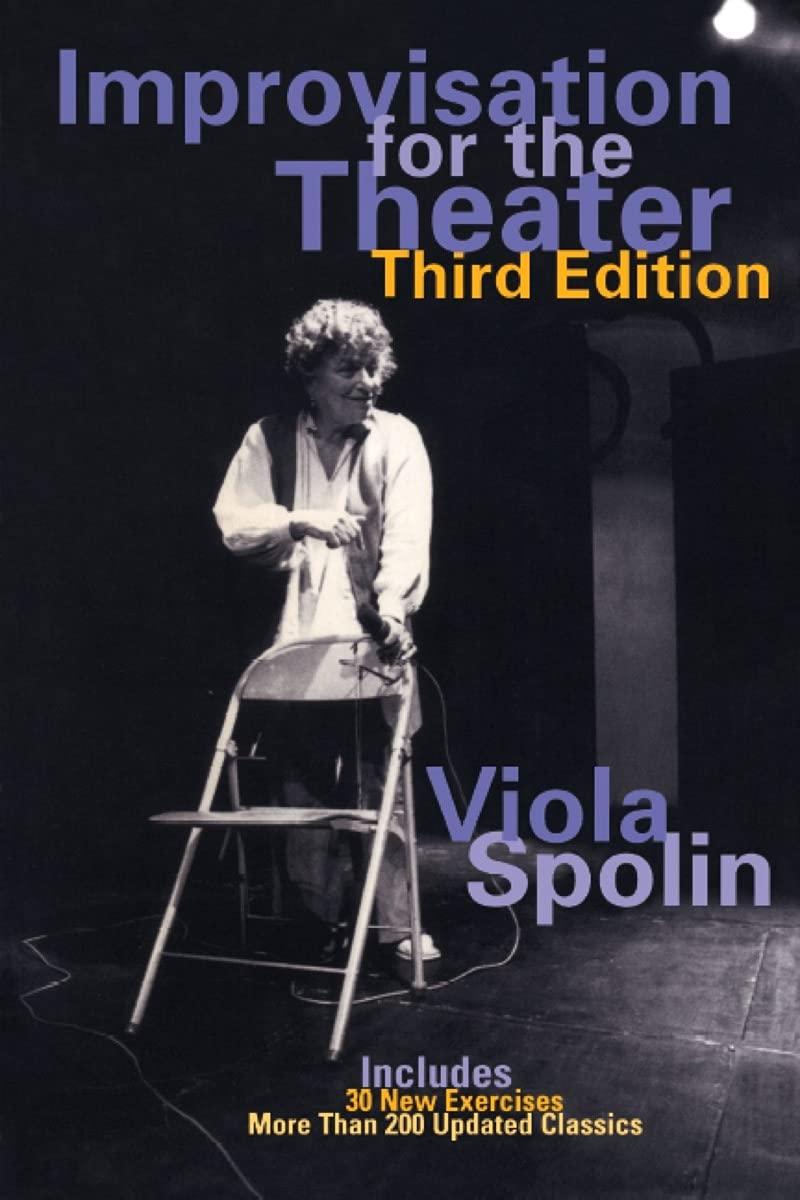
Improvisation for the Theater
A Handbook of Teaching and Directing Techniques
Viola Spolin

The Compass
The Improvisational Theatre that Revolutionized American Comedy
Janet Coleman
References
How to Reference This Page
The Improv Archive. (2026). Joan Darling. Retrieved September 28, 2026, from https://improvarchive.org/people/joan-darling
The Improv Archive. "Joan Darling." The Improv Archive, 2026. https://improvarchive.org/people/joan-darling.
The Improv Archive. "Joan Darling." The Improv Archive, 2026, https://improvarchive.org/people/joan-darling. Accessed September 28, 2026.
The Improv Archive is a systemically maintained repository. The archive itself acts as the corporate author.