Paul Zuckerman
Paul Zuckerman is an American improviser, director, and co-founder of Chicago City Limits, one of New York City's longest-running improv companies. A founding member of the troupe in Chicago in 1977 under the influence of Del Close and Jo Forsberg, Zuckerman helped relocate the company to New York in 1979, where he served as director, artistic director, and executive producer for more than three decades. He holds a doctoral degree in Psychology from the University of Michigan and has applied that background to corporate facilitation and training work alongside his stage career.
Zuckerman trained in improvisation at The Second City in Chicago under Del Close and Jo Forsberg. In 1977 he was among the seven original founders of Chicago City Limits, along with George Todisco, Linda Gelman, Bill McLaughlin, Carol Schindler, Rick Crom, and Christopher Oyen. All seven had come through Second City's workshop program.
In 1979 the troupe relocated to New York City, performing at venues including Catch a Rising Star, the Improv, the Duplex, and Folk City before establishing a permanent theater on West 42nd Street in summer 1980. Zuckerman helped direct and perform with the company for more than ten years in its New York years, eventually taking on the roles of artistic director and executive producer.
Chicago City Limits became one of the city's signature improv institutions, completing more than 7,500 performances by 2000 and appearing at Lincoln Center, the Smithsonian Institution, the Jerry Lewis Labor Day Telethon, and the Super Bowl. Guest performers included Paul Reiser, Robin Williams, Brett Butler, and Bill Irwin. The troupe received critical recognition from the New York Times, which described them as hysterical and unpredictable, and the Washington Post, which called them uproarious and amazing.
For television, Zuckerman served as anchorman for Reel News, Chicago City Limits' comedy news series on the USA Network. The troupe also appeared on The Today Show, Comedy Central, Good Day New York, HBO, CNN, and CNBC. His directorial credits include the Off-Broadway comedy Rosa Krantz and Gilda Stern Aren't Dead and Comedy Et Al, described as television's first interactive comedy series. He also appeared in the film Lovesick and in television productions including Cagney and Lacey, PBS's Reading Rainbow, and Tales of the Unexpected.
In parallel with his stage and television work, Zuckerman drew on his doctoral training in psychology to facilitate corporate idea-generation sessions, focus groups, and creativity and team-building seminars, work that Chicago City Limits has conducted for organizations across the country. Chicago City Limits operated at Jan Hus Playhouse, at 1105 First Avenue, and at The Broadway Comedy Club before concluding its resident New York run around 2013-2014, after which it remained active for touring engagements and corporate training. His work in applied improvisation extended the principles and techniques he developed as a theater practitioner into professional development, leadership training, and organizational consulting contexts. Applied improv practitioners in his cohort worked to translate the fundamental improv principles of offer acceptance, support, commitment, and real-time collaboration into exercises and frameworks accessible to non-performers. Zuckerman's facilitation practice in this domain drew on his theatrical background to create experiential learning contexts in which business and organizational professionals could develop the interpersonal and collaborative skills that improv training develops most directly. His participation in applied improv communities and networks kept this work connected to both the performing arts traditions that generated it and the professional development communities that applied it in new contexts.
Historical Context
Chicago City Limits represented a distinctive lineage within American improv, rooted in the Del Close and Jo Forsberg training at Second City in Chicago but transplanted to New York at a moment when the city had little infrastructure for long-form improvised comedy. The company's founding in 1977 and move to New York in 1979 predated the establishment of dedicated improv training centers in the city by more than a decade, placing Zuckerman and his co-founders among the earliest practitioners to build a sustained improv institution outside of Chicago.
Zuckerman's background in psychology gave Chicago City Limits' corporate training work a distinct framing. Where many improv-to-business programs emerged in the 1990s and 2000s as the applied improv field expanded, Chicago City Limits had been doing corporate facilitation and creativity work for years, with Zuckerman providing a credentialed academic frame for improvisation's relevance to organizational psychology and group dynamics.
Legacy
Chicago City Limits, with Zuckerman as its long-tenured artistic director, stands as one of the pioneering long-form improv companies to operate outside of Chicago. Its more than three decades of continuous performance in New York established that improvisational comedy could sustain a dedicated company in a major market beyond the recognized centers of the form. The company's television work, including the Reel News series on the USA Network and numerous broadcast appearances, extended improv's visibility into mass-market media contexts before the form had achieved mainstream recognition.
Zuckerman's dual role as performer-director and psychologist-facilitator contributed to the framing of improvisation as applicable to organizational settings, a position that Chicago City Limits occupied before applied improv became a recognized subfield. His career documented a possible integration of academic psychology and performance practice that remained uncommon in the first generation of major improv practitioners.
Recommended Reading
Books are ordered from the strongest direct connection outward to broader relevance.
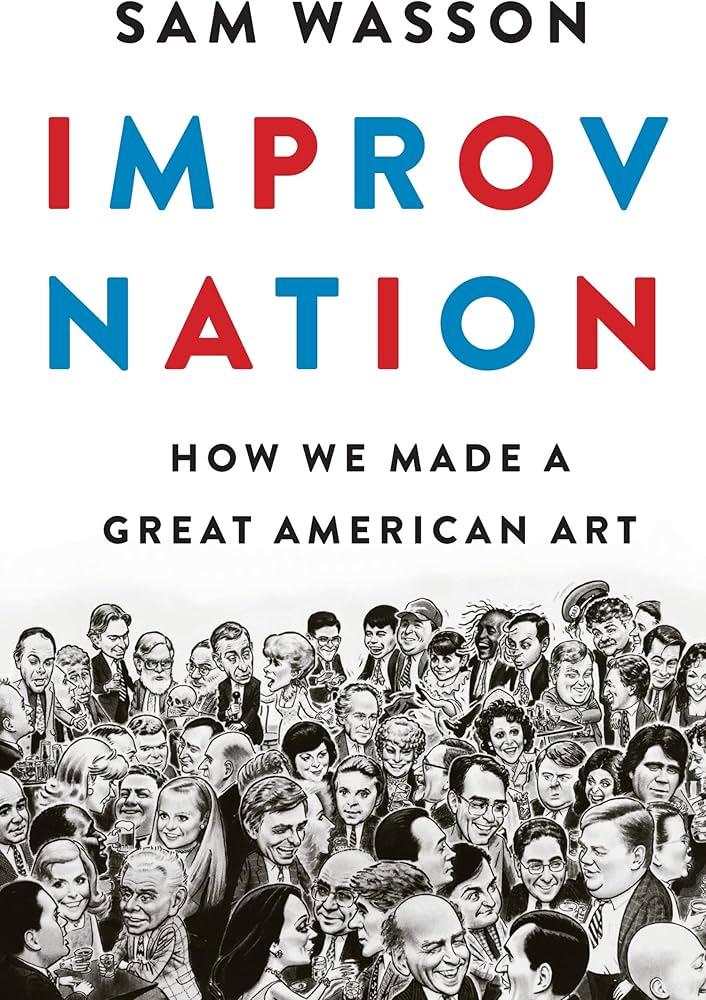
Improv Nation
How We Made a Great American Art
Sam Wasson

The Art of Chicago Improv
Short Cuts to Long-Form Improvisation
Rob Kozlowski
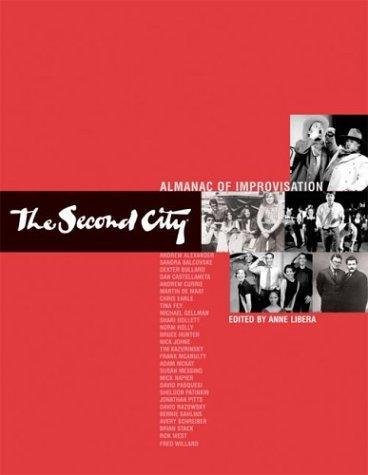
The Second City Almanac of Improvisation
Anne Libera

Chicago Comedy
A Fairly Serious History
Margaret Hicks; Mick Napier

Truth in Comedy
The Manual of Improvisation
Charna Halpern; Del Close; Kim Howard Johnson
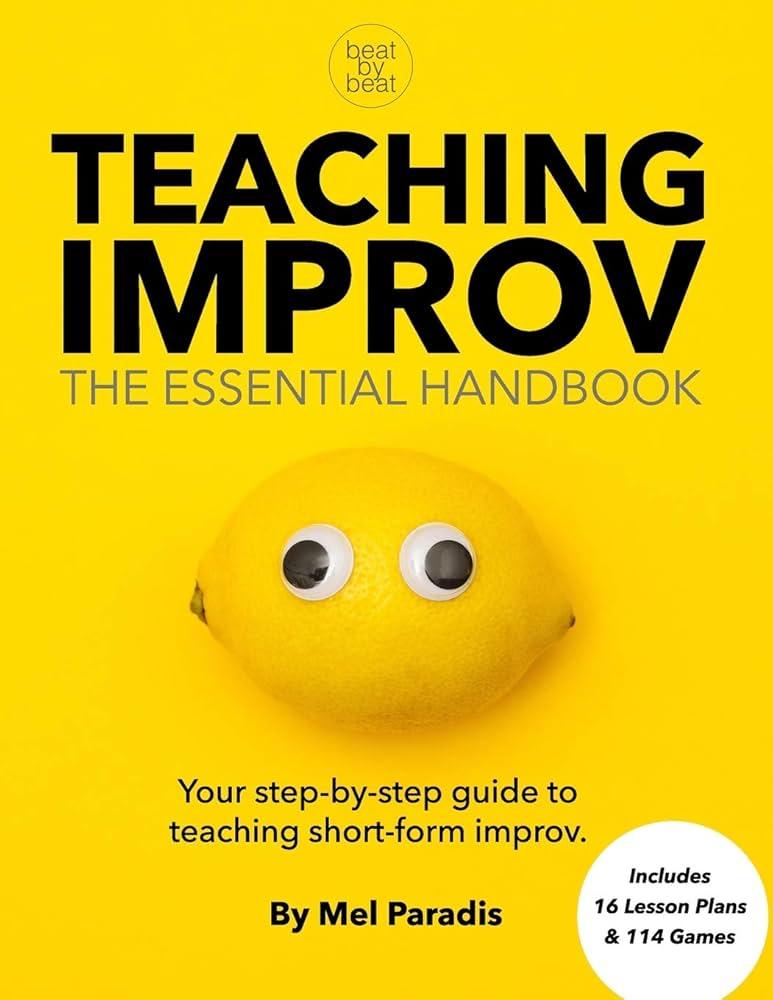
Teaching Improv
The Essential Handbook
Mel Paradis
References
In the Archive
How to Reference This Page
The Improv Archive. (2026). Paul Zuckerman. Retrieved September 28, 2026, from https://improvarchive.org/people/paul-zuckerman
The Improv Archive. "Paul Zuckerman." The Improv Archive, 2026. https://improvarchive.org/people/paul-zuckerman.
The Improv Archive. "Paul Zuckerman." The Improv Archive, 2026, https://improvarchive.org/people/paul-zuckerman. Accessed September 28, 2026.
The Improv Archive is a systemically maintained repository. The archive itself acts as the corporate author.