Ryan Stiles
Ryan Stiles (born April 22, 1959, Seattle, Washington) is an American-born Canadian comedian, actor, and improviser who became one of the most recognized improvisational performers in the world through his work on both the UK and US versions of Whose Line Is It Anyway?. Stiles developed his skills at the Vancouver TheatreSports League and The Second City Toronto before appearing in over 200 episodes of Whose Line across both versions (1988 to 2024). He also starred as Lewis Kiniski on The Drew Carey Show (1995 to 2004) and founded the Upfront Theatre in Bellingham, Washington, in 2004.
Stiles was born in Seattle, Washington, to Canadian parents Irene and Sonny Stiles, the youngest of five children. The family relocated to Vancouver, British Columbia, when he was ten years old. He dropped out of high school months before graduation at age sixteen to pursue comedy, using a fake ID to access nightclubs where he performed stand-up.
In 1978, Stiles co-founded Punchlines Comedy Club in Vancouver's Gastown neighborhood, the city's first dedicated stand-up venue. The club operated until 1995 and became a cornerstone of Vancouver's comedy community. Through the Vancouver TheatreSports League, Stiles developed his improvisational skills and met Colin Mochrie, beginning a creative partnership that would span more than four decades.
In 1986, Stiles joined The Second City for Expo 86 in Vancouver, then moved to The Second City Toronto Mainstage as a writer and performer. His time at Second City sharpened the character work and physical comedy that would define his career, though his natural performance style, built on height, physicality, and deadpan commitment, had already been formed through years of TheatreSports and stand-up.
Stiles gained international prominence as a performer on the British version of Whose Line Is It Anyway? (1988 to 1998), appearing in ninety-two episodes and establishing himself as one of the show's most reliable performers. His physical comedy, quick-witted scene work, and commitment to absurd premises made him a standout in the ensemble alongside Josie Lawrence, Tony Slattery, and Colin Mochrie.
When ABC adapted Whose Line Is It Anyway? for American television in 1998, hosted by Drew Carey, Stiles became a core cast member alongside Mochrie and Wayne Brady. The US version ran from 1998 to 2007 and was revived from 2013 to 2024, with Stiles appearing in over two hundred episodes across both runs. The show brought short-form improvisational comedy to a prime-time network audience of millions, making Stiles one of the most visible improvisers in the world.
Stiles starred as Lewis Kiniski, the eccentric best friend, on The Drew Carey Show (1995 to 2004), appearing in 232 of the show's 233 episodes. The role demonstrated his ability to sustain a character across a long-running scripted series while maintaining the spontaneous energy of an improviser. His film credits include Hot Shots! (1991) and Hot Shots! Part Deux (1993).
In 2004, Stiles founded the Upfront Theatre in Bellingham, Washington, near his home, creating a venue for live improvisational comedy in the Pacific Northwest. The theatre transitioned to nonprofit status in 2020 and continues to host regular performances and classes. He received a 2002 Primetime Emmy nomination for Outstanding Individual Performance in a Variety or Music Program for his work on Whose Line.
Historical Context
Stiles's career traces the development of improvisational comedy from a niche live art form to a mainstream television format. His path from the Vancouver TheatreSports League through Second City to Whose Line Is It Anyway? follows the institutional infrastructure that Keith Johnstone's TheatreSports format helped establish in Canada and that Second City extended across North America.
His twenty-year partnership with Colin Mochrie, forged at the Vancouver TheatreSports League, became one of the most enduring creative collaborations in improvisational comedy. Their ability to build scenes together with minimal verbal communication, relying on shared physical vocabulary and intuitive understanding of each other's rhythms, represented an advanced form of ensemble improv that audiences could see demonstrated in real time on network television.
Whose Line Is It Anyway?, in both its UK and US versions, brought short-form improvisation to the largest audiences the art form had ever reached. The show's format, built on games and exercises that TheatreSports and Second City performers had been playing in theatres for decades, translated the energy and risk of live improv into a television-friendly package. Stiles's physical comedy and commitment to absurd premises became the show's signature style and helped define what mainstream audiences understood improvisational comedy to be.
The founding of the Upfront Theatre in Bellingham in 2004 represented Stiles's investment in sustaining live improv performance outside the major comedy centers. The theatre provided a Pacific Northwest venue where audiences could experience the same art form they had seen on television, performed by Stiles and a community of regional improvisers.
Legacy
Stiles is among the most recognized improvisational performers in the history of the art form. His work on Whose Line Is It Anyway? introduced millions of viewers to improvisation, and his physical comedy, scene work, and game-playing became reference points for what the general public understands improv to be. The show's audience reach exceeded that of any other improv-focused program in television history.
His partnership with Colin Mochrie demonstrated the power of long-term ensemble chemistry in improvisation. Their ability to perform together across decades, maintaining spontaneity while drawing on deep mutual understanding, modeled a form of creative collaboration that improv teachers point to as an example of what sustained practice can produce.
The Upfront Theatre in Bellingham extended Stiles's influence beyond performance into institution-building. By creating a nonprofit improv venue in a mid-sized Pacific Northwest city, he demonstrated that live improv could sustain itself outside Chicago, New York, and Los Angeles. The theatre has provided training and performance opportunities for a regional community of improvisers.
Stiles's philanthropic work with the Burned Children Recovery Foundation, raising over five hundred thousand dollars through annual golf classics and comedy shows since 2009, exemplifies how the improvisational community has extended its skills into community service and charitable work.
Companies and Organizations
Associated venues and institutional relationships currently documented in the archive.
Media Appearances
- 2013-2024
- 2011
- 1989-1998
Recommended Reading
Books are ordered from the strongest direct connection outward to broader relevance.

The Improv Handbook
The Ultimate Guide to Improvising in Comedy, Theatre, and Beyond
Tom Salinsky; Deborah Frances-White

The Second City Unscripted
Revolution and Revelation at the World-Famous Comedy Theater
Mike Thomas
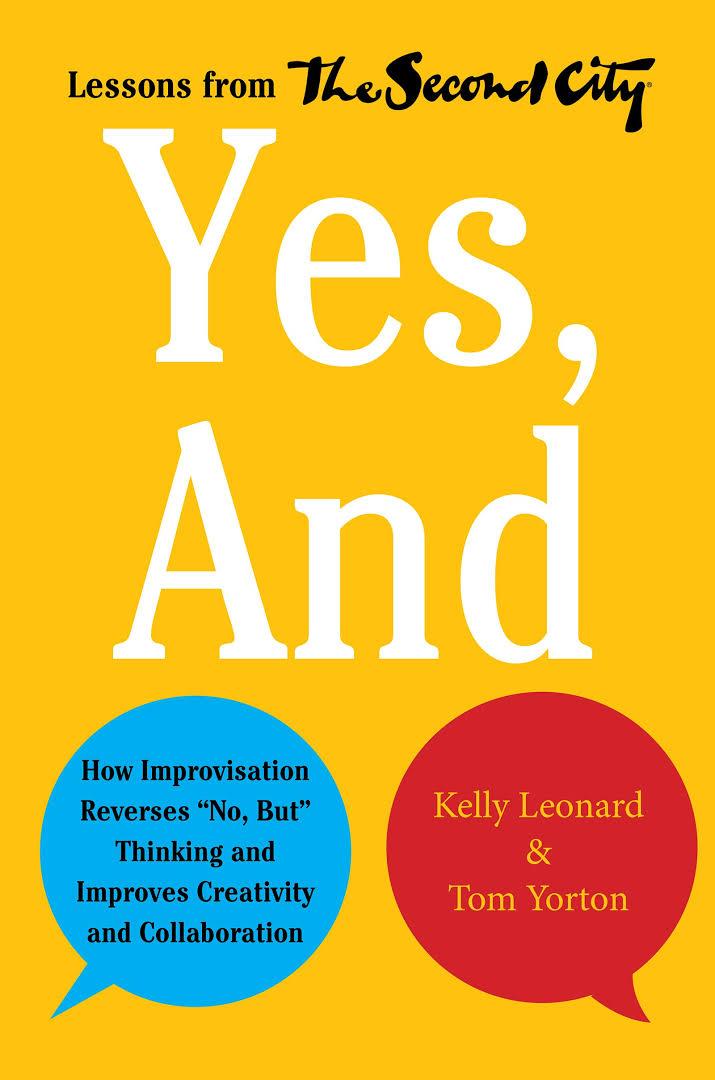
Yes, And
How Improvisation Reverses No, But Thinking and Improves Creativity and Collaboration
Kelly Leonard; Tom Yorton

The Routledge Companion to Improvisation in Organizations
Miguel Pina e Cunha; Dusya Vera; António Cunha Meneses

Whose Improv Is It Anyway?
Beyond Second City
Amy E. Seham
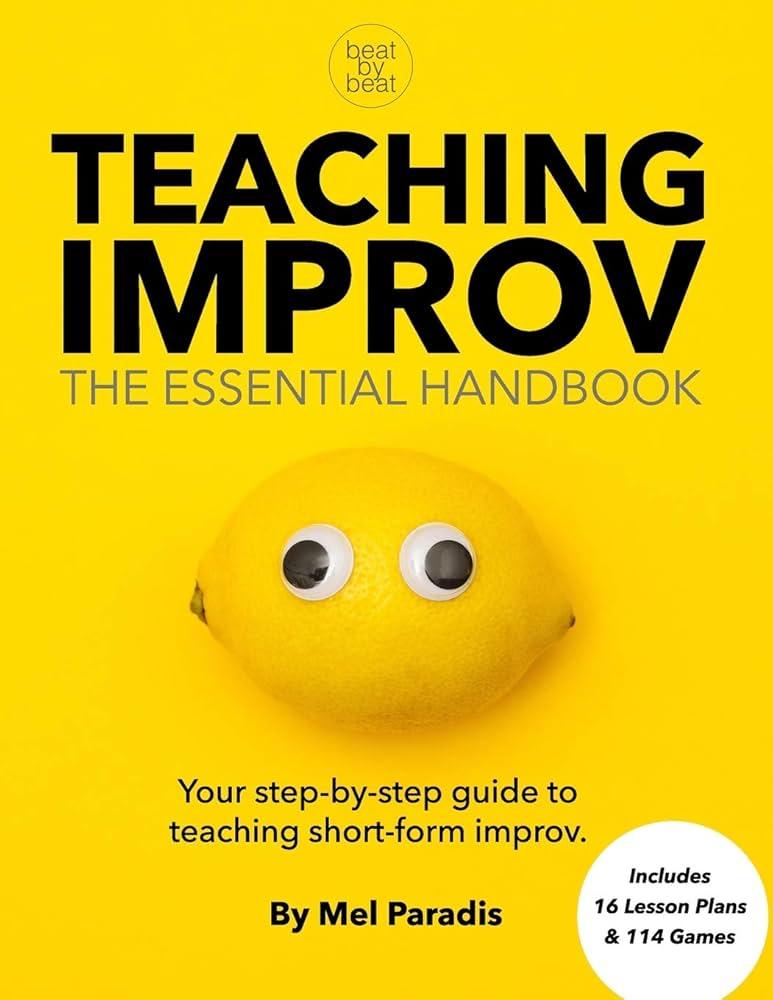
Teaching Improv
The Essential Handbook
Mel Paradis
References
In the Archive
How to Reference This Page
The Improv Archive. (2026). Ryan Stiles. Retrieved September 28, 2026, from https://improvarchive.org/people/ryan-stiles
The Improv Archive. "Ryan Stiles." The Improv Archive, 2026. https://improvarchive.org/people/ryan-stiles.
The Improv Archive. "Ryan Stiles." The Improv Archive, 2026, https://improvarchive.org/people/ryan-stiles. Accessed September 28, 2026.
The Improv Archive is a systemically maintained repository. The archive itself acts as the corporate author.