Tommy Brunett
Tommy Brunett is an American actor, director, and improv performer based on Bainbridge Island, Washington. He has worked as a performer and teaching artist, adding improvisation to his practice in 2010 and subsequently joining the Bainbridge Island-based ensemble Imagined Reality Improv.
Brunett developed his performance background across acting, directing, and voice work before incorporating improvisation into his practice in 2010. That transition reflected a shift from scripted performance modes toward the spontaneous, audience-responsive format that would anchor his subsequent work as both a performer and teacher.
He went on to become a member of Imagined Reality Improv, a short-form ensemble founded on Bainbridge Island, Washington, in 2016. The group performs primarily at the Bainbridge Island Museum of Art's Frank Buxton Auditorium and at regional venues including the Jewel Box Theatre in Poulsbo and the Western Washington Center for the Arts in Port Orchard. The ensemble's format centers on drawing audience suggestions and generating scenes, characters, and narrative without scripts or advance preparation, drawing on the short-form improvisational tradition associated with shows such as Whose Line Is It Anyway. Imagined Reality Improv performs one to two shows per month and has maintained an active presence on the Kitsap Peninsula since its founding.
Brunett has worked as a teaching artist alongside his performance work, offering instruction to students across a wide age range from young children to older adults. He taught improvisation and acting at Bainbridge Independence summer camp and began offering dedicated adult improv classes on Bainbridge Island in 2019. His teaching practice operates as an extension of his performance work, rooted in the same short-form improvisational approach that shapes his ensemble performances. He has also worked as a voice actor in addition to his stage performance and teaching work.
Historical Context
Brunett's trajectory from actor and director into improv teaching and ensemble performance reflects a pattern common in smaller regional scenes outside major metropolitan improv centers. Imagined Reality Improv represents one of the primary organized improv performance groups in the Kitsap Peninsula region of Washington State, occupying a position in a market where the institutional infrastructure common to Seattle, New York, or Chicago is largely absent. Building and maintaining an ensemble and teaching practice in this context required practitioners to fill multiple roles simultaneously as performer, teacher, and organizer. Brunett's work represents the teaching-artist model of improv engagement that has grown alongside the applied improv movement: using improv skills in community, educational, and personal development contexts rather than exclusively in professional comedy performance settings. His transition from scripted theatrical performance to improvisational work in 2010 reflects the pattern of many practitioners who find in improv's emphasis on presence, connection, and spontaneity a theatrical practice particularly well suited to community engagement and adult education contexts. On Bainbridge Island, where a professional improv theater infrastructure comparable to a major city's does not exist, his work with Imagined Reality Improv and his independent teaching fill the role that established institutions fill in larger markets.
Teaching Philosophy
Brunett's teaching work on Bainbridge Island reflects the specific challenge of bringing improvisational theater to a small community setting outside the metropolitan improv culture of Seattle and without the institutional support structures that city-based improv organizations provide. His adult improv classes since 2019, conducted alongside his performing work with Imagined Reality Improv, represent a teaching-artist practice that treats improv as a tool for adult community engagement and personal development rather than primarily as professional comedy training.
His background as an actor, director, and voice artist before his 2010 introduction to improv gives his teaching a cross-disciplinary perspective. Where many improv teachers come to pedagogy through comedy performance training, Brunett's theatrical background gives him fluency in the broader vocabulary of theatrical craft, including character development, physical presence, vocal specificity, and dramatic structure, that he can bring to his improv teaching without being confined to the purely game-based or structurally focused pedagogies that some improv training traditions emphasize.
His work with Imagined Reality Improv, a short-form ensemble, has anchored his performing and teaching practice in the audience-responsive format demands of competitive short-form, where performers must generate scenes and games that engage a live audience in real time with minimal structural preparation. Teaching short-form improv requires particular attention to game awareness, audience rapport, and scenic economy, skills that Brunett has developed through consistent performance in the Bainbridge Island context.
His teaching-artist identity, which positions him as an educator who uses artistic practice as a pedagogical tool, reflects a broader understanding of improv's value that extends beyond comedy performance into personal development, community building, and the cultivation of presence and creative responsiveness that improvisational theater training reliably produces.
Legacy
Brunett has contributed to improv performance and instruction on Bainbridge Island and the broader Kitsap Peninsula through his work with Imagined Reality Improv and his independent teaching practice. His adult improv classes on Bainbridge Island since 2019 represent a sustained local instructional presence in a region with limited organized improv infrastructure. His adult improv classes on Bainbridge Island since 2019 represent the primary channel through which the performing and pedagogical practices of the broader long-form and short-form improv tradition have been made available to the island's adult community. In small market contexts where improv infrastructure is absent or minimal, teaching artists like Brunett serve a community development function that goes beyond comedy training: they introduce improv principles of listening, presence, and collaborative responsiveness to participants who may have no other access to improv-based learning.
His work with Imagined Reality Improv has created a consistent performing presence for short-form improv on Bainbridge Island and the Kitsap Peninsula, contributing to the development of a local comedy community that sustains his own performing practice and provides the performing context for students who progress through his teaching programs.
Recommended Reading
Books are ordered from the strongest direct connection outward to broader relevance.

The Improv Illusionist
Using Object Work, Environment, and Physicality in Performance
David Raitt

Impro
Improvisation and the Theatre
Keith Johnstone

The Improv Handbook
The Ultimate Guide to Improvising in Comedy, Theatre, and Beyond
Tom Salinsky; Deborah Frances-White
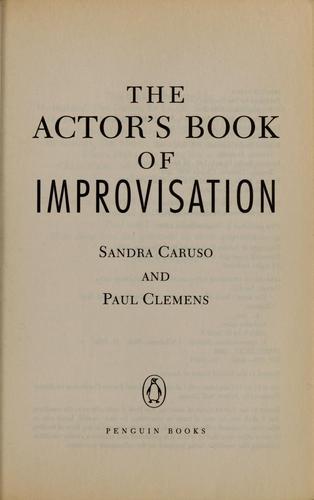
The Actor's Book of Improvisation
Sandra Caruso; Paul Clemens

Pirate Robot Ninja
An Improv Fable
Billy Merritt; Will Hines
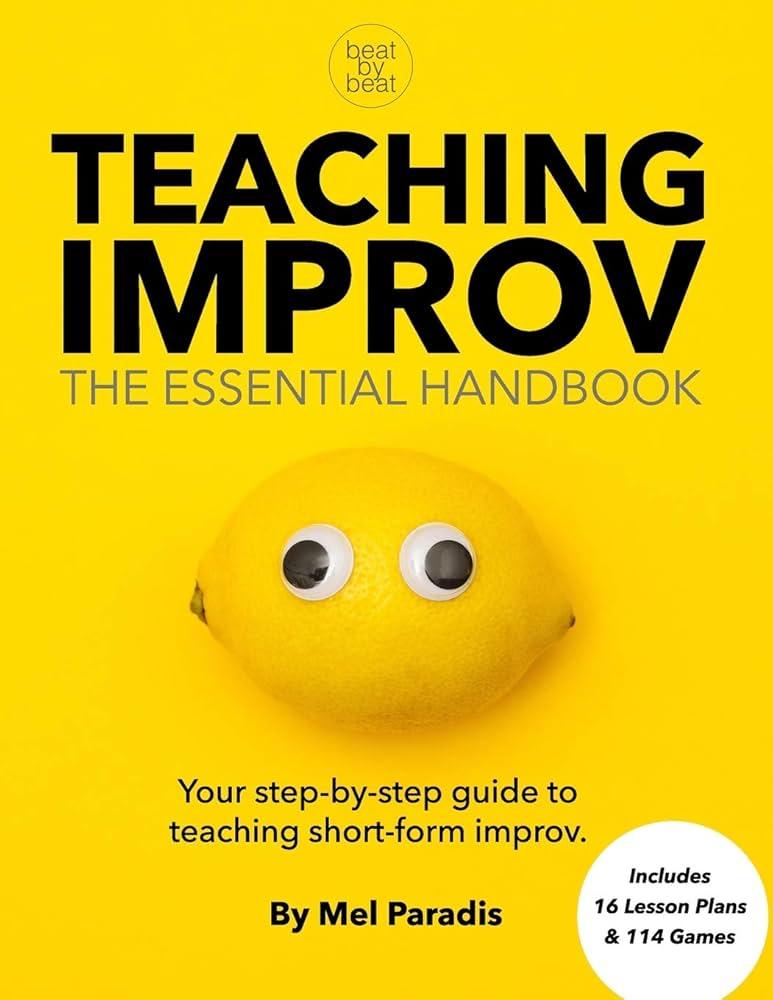
Teaching Improv
The Essential Handbook
Mel Paradis
References
How to Reference This Page
The Improv Archive. (2026). Tommy Brunett. Retrieved September 28, 2026, from https://improvarchive.org/people/tommy-brunett
The Improv Archive. "Tommy Brunett." The Improv Archive, 2026. https://improvarchive.org/people/tommy-brunett.
The Improv Archive. "Tommy Brunett." The Improv Archive, 2026, https://improvarchive.org/people/tommy-brunett. Accessed September 28, 2026.
The Improv Archive is a systemically maintained repository. The archive itself acts as the corporate author.