Acting Through Improv
Improv Through Theatresports
Acting Through Improv, by Lynda Belt and Rebecca Stockley, is a foundational text that explores the symbiotic relationship between competitive short-form improv and the rigorous demands of traditional acting. First published in the mid-1990s, the book arrived at a moment when Theatresports: the high-energy, audience-driven format developed by Keith Johnstone: was gaining global popularity. Belt and Stockley, both veterans of the form, provide a comprehensive roadmap for utilizing these games to build essential performance skills.
The book is organized as a progressive curriculum, moving from simple ice-breakers to complex 'handles' that require high levels of concentration and spontaneity. Crucially, the authors do not treat 'improv games' as mere entertainment. Instead, they frame them as mirrors for the fundamental pillars of acting: listening, reacting, physicalizing, and storytelling. Each exercise is accompanied by a 'Coaching Tips' section that helps facilitators identify when a student is 'playing for the laugh' versus authentically engaging with the game's mechanics.
A significant portion of the work is dedicated to the philosophy of Theatresports. It explains the concepts of 'offers,' 'blocks,' and 'wimps' in clear, accessible language, and provides strategies for building scenes under the pressure of a competitive format. The book emphasizes that the 'win' in a Theatresports match is secondary to the quality of the work and the ensemble's ability to support one another in front of a live audience.
Key Concepts
A detailed study of the basic units of improv interaction and how to avoid 'safe' choices that stall the scene.
A categorized library of Johnstone-style games with instructions for setup, play, and technical focus.
Techniques for acknowledging and utilizing the audience as a collaborative partner in the creation of the show.
How to manage the structural demands of a scene while remaining open to the spontaneous impulses of a partner.
Strategies for maintaining high stakes and commitment in the fast-paced environment of short-form competition.
Who Benefits from Reading this Book
An excelente introduction to spontaneity for those used to the safety of a script.
A primary reference for those training in Johnstone-style formats and competitive improv.
The focus on games and high energy makes it a favorite for those leading groups of young performers.
The concepts of 'Yes, And' and 'Support' are easily translatable to team-building and leadership workshops.
Reception & Legacy
Acting Through Improv is often cited as one of the most practical and user-friendly guides to short-form improv. Educators appreciate Belt and Stockley's clear instructions and their emphasis on the 'acting' side of the improv equation. While it is more associated with the 'Johnstone school' than the 'Chicago school,' its universal principles make it a valuable resource for any performer. Its enduring presence in theater classrooms for over two decades is a testament to its effectiveness as a teaching tool.
Connections
- authorRebecca Stockley
Related Reading
See all books →
Spontaneous Performance
Acting Through Improv
Marsh Cassady

The Ultimate Improv Book
A Complete Guide to Comedy Improvisation
Edward J. Nevraumont; Kurt Smeaton; Nicholas P. Hanson

Improv Ideas
A Book of Games and Lists
Mary Ann Kelley; Justine Jones

Impro
Improvisation and the Theatre
Keith Johnstone
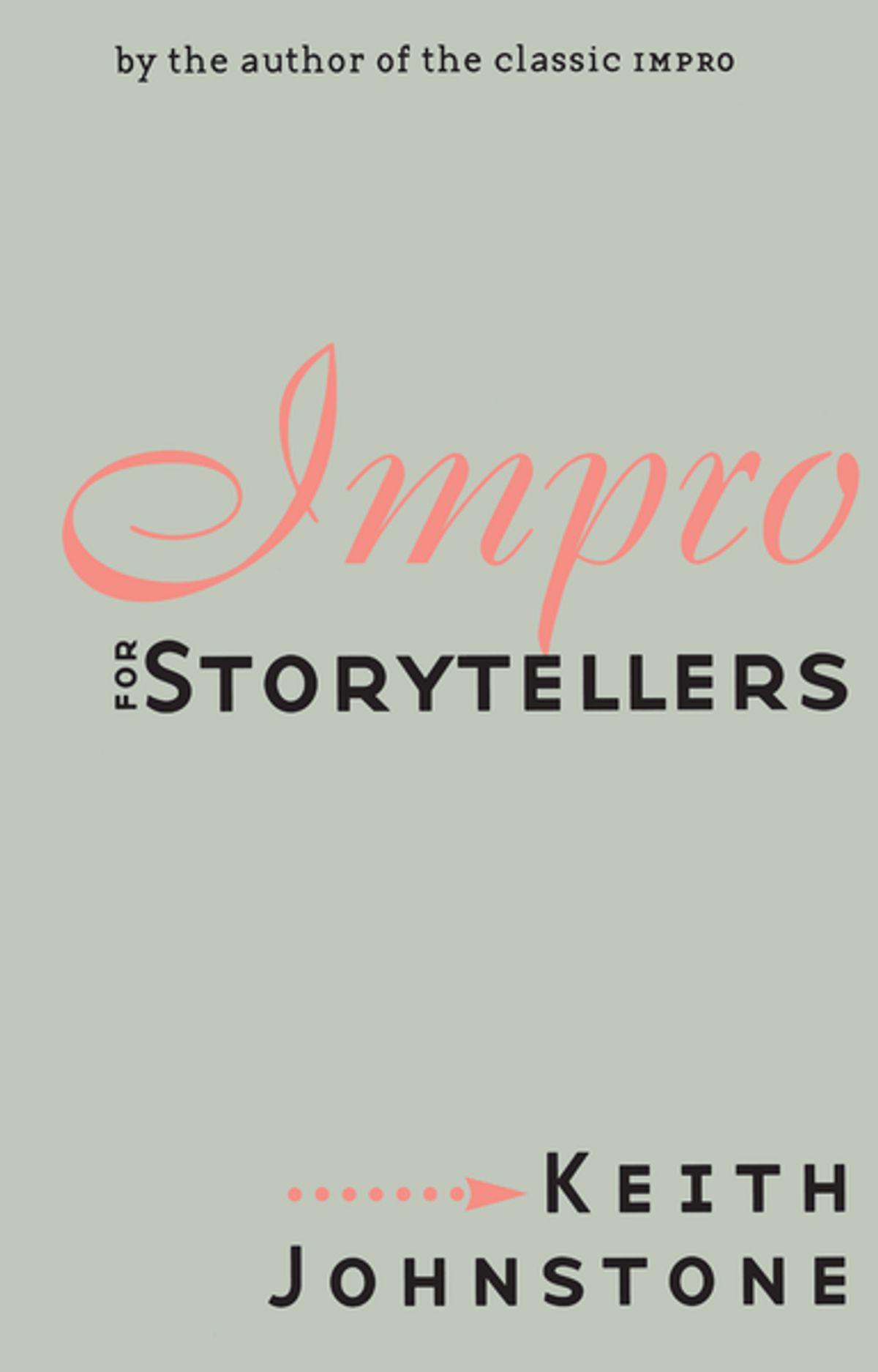
Impro for Storytellers
Keith Johnstone

The Improv Handbook
The Ultimate Guide to Improvising in Comedy, Theatre, and Beyond
Tom Salinsky; Deborah Frances-White
About This Book
How to Reference This Page
The Improv Archive. (2026). Acting Through Improv. Retrieved September 28, 2026, from https://improvarchive.org/books/acting-through-improv-improv-through-theatresports
The Improv Archive. "Acting Through Improv." The Improv Archive, 2026. https://improvarchive.org/books/acting-through-improv-improv-through-theatresports.
The Improv Archive. "Acting Through Improv." The Improv Archive, 2026, https://improvarchive.org/books/acting-through-improv-improv-through-theatresports. Accessed September 28, 2026.
The Improv Archive is a systemically maintained repository. The archive itself acts as the corporate author.