Copycat
Copycat is a mirroring exercise in which one player leads and a partner copies every movement, facial expression, and sound as closely as possible. As the exercise progresses, the distinction between leader and follower blurs until both move as one. The exercise develops physical sensitivity and the foundational skill of following a partner's impulses.
Worth Reading
See all books →
Semiotics and Pragmatics of Stage Improvisation
Domenico Pietropaolo; Paul Bouissac

Group Improvisation
The Manual of Ensemble Improv Games
Peter Campbell Gwinn; Charna Halpern

Business Improv
Experiential Learning Exercises to Train Employees
Val Gee

Playing Along
37 Group Learning Activities Borrowed from Improvisational Theater
Izzy Gesell
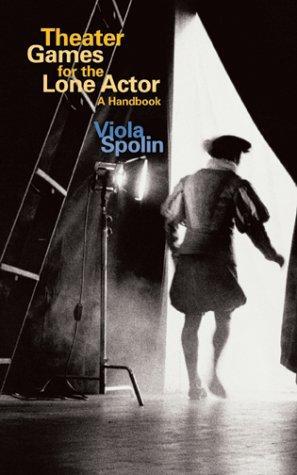
Theater Games for the Lone Actor
Viola Spolin
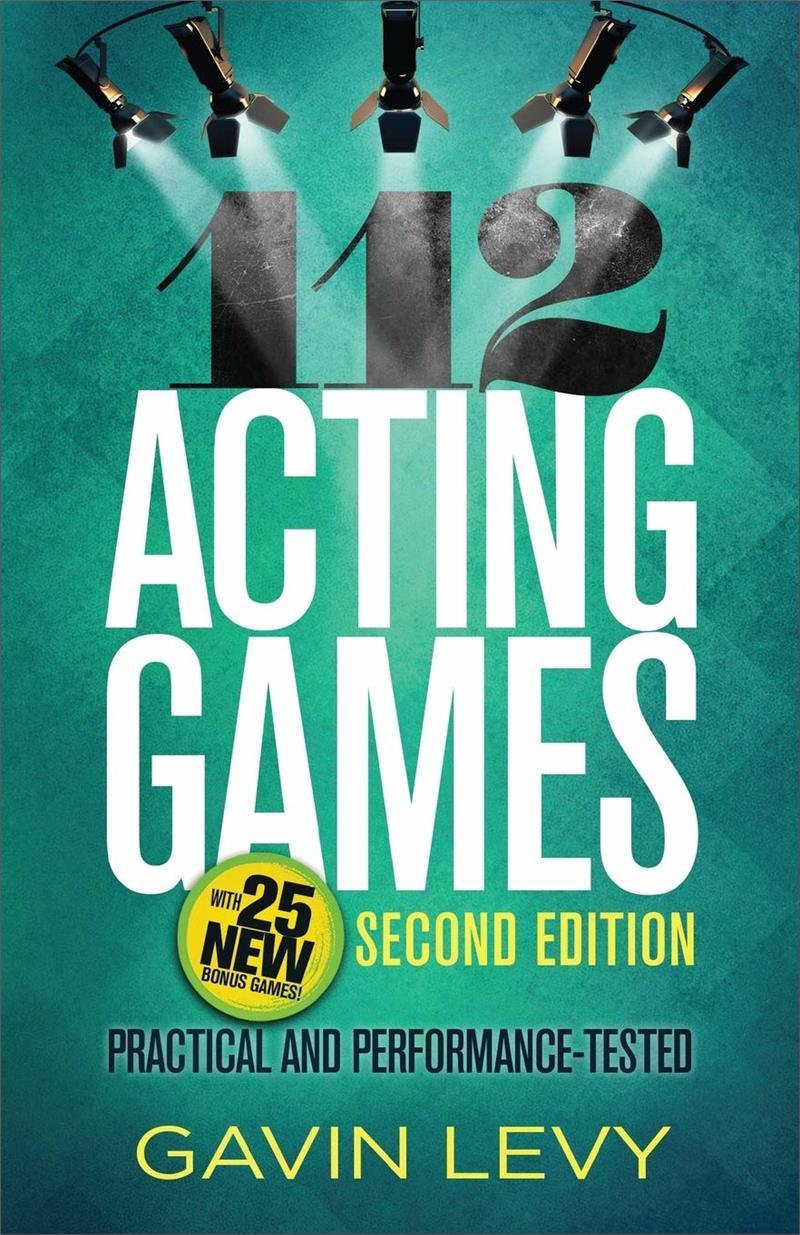
112 Acting Games
Gavin Levy
Related Exercises
Copy Dance
Copy Dance is a mirroring exercise in which one player dances freely while a partner replicates their movements as precisely as possible. The exercise builds physical attunement, partner listening through the body, and comfort with being both mover and follower. It is used as a physicality warm-up and as a partner connection exercise early in rehearsal.
Mimic
Mimic is an exercise in which one player closely copies the movements, vocal patterns, or behavior of another. The imitating player must observe precisely and reproduce physical details without exaggeration or commentary. The exercise sharpens observation skills and teaches performers how closely physical behavior communicates character.
Distorting Mirror
Distorting Mirror is a mirroring exercise in which one player exaggerates or distorts their partner's movements rather than copying them precisely. Each reflection amplifies the original gesture, producing increasingly extreme physicality. The exercise builds physical expressiveness and comfort with large, uninhibited movement.
Imitate
Imitate is an observation exercise in which players study and reproduce the specific physical mannerisms, vocal patterns, and behavioral habits of another person in the group. The exercise sharpens observational detail and builds the ability to embody external characteristics with precision. Close observation reveals how much personality is communicated through small, habitual movements: the way someone shifts weight, the rhythm of their speech, the angle of their head when listening. Imitate develops the skill set needed for character work grounded in real-world observation rather than invention.
Emotional Mirror
Emotional Mirror is a mirroring exercise focused on emotional states rather than physical movement. One player establishes an emotion through face, body, and vocal tone; the partner mirrors not the specific gestures but the underlying feeling. The exercise trains emotional empathy and the ability to read and reflect a partner's inner state.
Mirror
Mirror is a foundational partner exercise in which one player moves and the other copies with as much precision as possible. The basic challenge is simple to see and simple to feel: both players must stay connected closely enough that the movement reads as one shared action instead of one person chasing the other. Across published training material, Mirror is used to build concentration, body awareness, responsiveness, and nonverbal listening.
How to Reference This Page
The Improv Archive. (2026). Copycat. Retrieved September 28, 2026, from https://improvarchive.org/exercises/copycat
The Improv Archive. "Copycat." The Improv Archive, 2026. https://improvarchive.org/exercises/copycat.
The Improv Archive. "Copycat." The Improv Archive, 2026, https://improvarchive.org/exercises/copycat. Accessed September 28, 2026.
The Improv Archive is a systemically maintained repository. The archive itself acts as the corporate author.