Emotional Option
Emotional Option is an applied improv exercise in which participants hold a paired conversation while a facilitator calls out different emotions at intervals. The pairs must continue their conversation in the register of the newly assigned emotion without stopping or acknowledging the transition. The exercise trains rapid emotional adaptability, the awareness that emotional state is a choice, and the practical skill of continuing a conversation under shifting emotional pressure.
Structure
Setup
Participants pair up and begin a neutral conversation about an assigned or freely chosen topic. The facilitator stands to the side with a list of emotions.
Progression
The conversation begins in a natural register. At intervals of thirty to sixty seconds, the facilitator calls out a new emotion: "Excited." "Skeptical." "Confused." "Determined." Both partners shift immediately into the new emotional register and continue the conversation from there -- same topic, different emotional frame.
The emotion is layered onto the conversation, not attached to any specific moment within it. Participants are speaking about the same thing but experiencing it through a completely different emotional lens with each transition.
Conclusion
The exercise runs through five to eight emotions over five to ten minutes. The facilitator closes the pairs and brings the group together for debrief.
How to Teach It
Objectives
Emotional Option targets the ability to shift emotional registers on command, the awareness that our emotional state shapes how we receive and interpret information, and the practical skill of continuing productive communication across emotional fluctuations.
How to Explain It
"You're going to keep talking about the same thing. But when I call out an emotion, you both shift into it immediately -- don't stop, don't explain it, just feel it and keep going."
Scaffolding
Begin with high-contrast emotions (excited versus skeptical) before introducing subtler states (thoughtful, relieved, impatient). The contrast helps participants feel the shift clearly before the exercise narrows to smaller emotional distances.
Common Pitfalls
Participants often apply emotions as vocal effects -- louder for excitement, slower for sadness -- without allowing the emotion to change their actual perspective on the conversation. The coaching note is that a truly excited person finds different aspects of the topic interesting than a skeptical person does. The content of what they say should change, not just the delivery.
In Applied Settings
Learning Objectives
In applied settings, Emotional Option makes visible the way in which emotional state shapes information processing, communication behavior, and decision-making. In professional life, participants routinely enter conversations in emotional states that have nothing to do with the conversation's content -- carrying frustration from a previous meeting, anxiety about a deadline, or excitement about an unrelated development. The exercise isolates the emotional variable and makes its effect on communication legible.
Workplace Transfer
The exercise transfers directly to any professional situation requiring communication under emotional pressure: delivering difficult feedback, receiving unexpected criticism, managing a tense client interaction, or navigating a disagreement. Participants who have experienced Emotional Option develop awareness of their own emotional register and the ability to recognize when it is not serving the conversation. This metacognitive skill is foundational to emotional intelligence and professional adaptability.
Facilitation Context
Emotional Option is used in emotional intelligence training, communication skills workshops, and leadership development programs. It is appropriate for pairs work within groups of any size. The exercise works well as a stand-alone module or as part of a longer emotional range sequence.
Debrief Framing
Ask participants: "Which emotions were easiest to shift into? Which were hardest? Did your perspective on the conversation topic change with each shift? When in your work do you enter a conversation already feeling a particular way -- and what does that do to how you listen?"
Skills Developed
Worth Reading
See all books →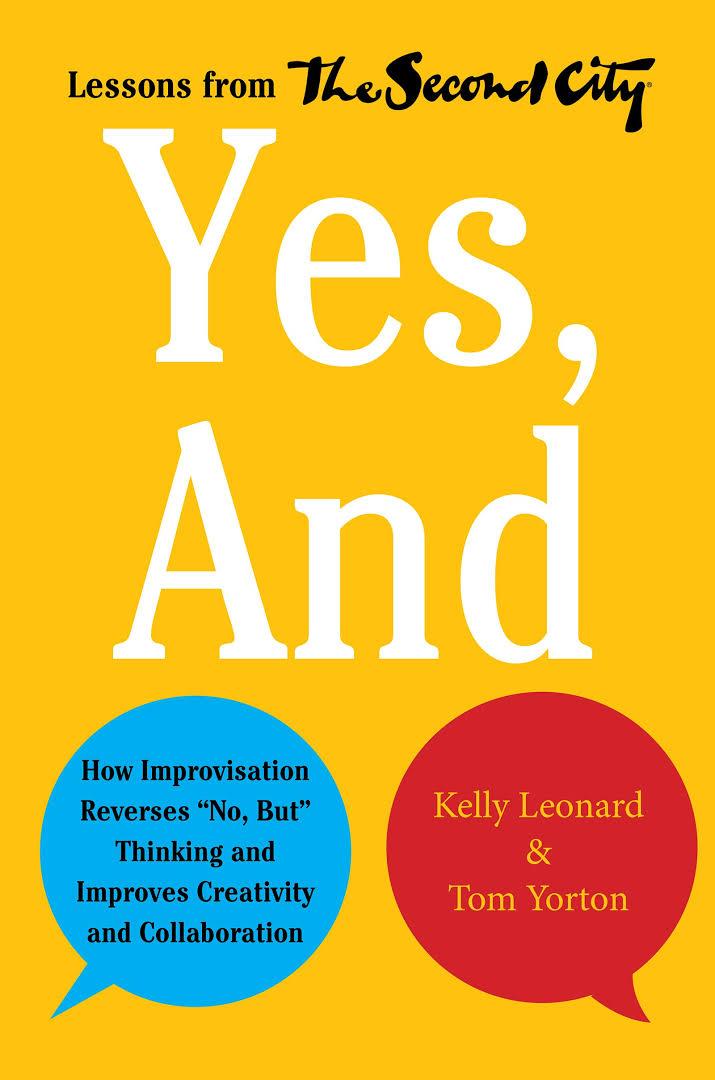
Yes, And
How Improvisation Reverses No, But Thinking and Improves Creativity and Collaboration
Kelly Leonard; Tom Yorton

Something from Nothing
The Technique of Improvisation
Richard Goteri

The Applied Improvisation Mindset
Tools for Transforming Individuals, Organizations, and Communities
Theresa Robbins Dudeck; Caitlin McClure

Improvised Theatre and the Autism Spectrum
A Practical Guide
Gary Kramer; Richie Ploesch
The Improvisation Game
Discovering the Secrets of Spontaneous Performance
Chris Johnston
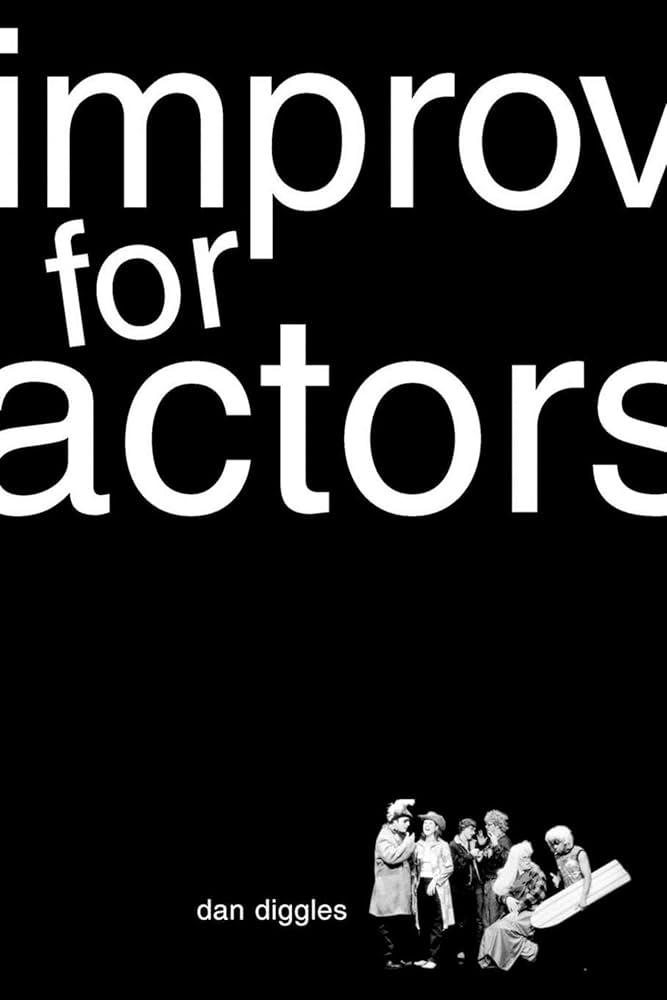
Improv for Actors
Dan Diggles
Related Exercises
Emotional Endowment
Emotional Endowment is an applied improv exercise in which partners endow each other with an emotional state or characteristic that the other must accept and embody. One player assigns an emotional reality to their partner -- "You are devastated," "You are secretly thrilled" -- and the partner must accept that endowment fully without negotiating, correcting, or breaking the offer. The exercise develops awareness of emotional offers, the practice of acceptance, and the difference between explaining an emotion and inhabiting it.
Emotional Self-Control
Emotional Self-Control is a category of applied improv exercises that develop the ability to manage emotional responses in high-stress, provocative, or emotionally charged situations. The exercises use improv techniques to create low-stakes environments in which participants practice recognizing their own emotional triggers, interrupting automatic reactions, and choosing intentional responses. The goal is to expand the gap between stimulus and response in situations where emotional reactivity typically causes professional and interpersonal harm.
Self-Awareness: Identify Emotions
Self-Awareness: Identify Emotions is an applied improvisation exercise in which participants practice recognizing and naming their own emotional states in real time. Drawing on emotional intelligence research, the exercise uses improvisational techniques to develop the foundational skill of emotional self-awareness.
Nonverbal Communication
Nonverbal Communication is an applied improvisation exercise in which participants interact, negotiate, and collaborate without spoken language, relying entirely on gesture, facial expression, body positioning, and physical presence. The exercise reveals how much information is transmitted nonverbally and trains participants to read and use body language with greater awareness and precision.
Let Go
Let Go is an applied improv exercise in which participants practice releasing attachment to a fixed idea, plan, or direction and accepting a changed course offered by the group or a partner. Drawn from applied improv practice, the exercise trains adaptability and the psychological skill of redirecting investment from a discarded option toward a new one without resistance, resentment, or prolonged negotiation.
Word Choice
Word Choice is an applied exercise in which participants reframe the same message using different word selections, discovering how specific word choices alter perception, emotional tone, and implicit authority, training precise language awareness and the ability to select words with intention rather than habit.
The Lineage
Explore the schools and structures that influenced or evolved from Emotional Option.
Yes, And (Kelly Leonard & Tom Yorton)
How to Reference This Page
The Improv Archive. (2026). Emotional Option. Retrieved September 28, 2026, from https://improvarchive.org/exercises/emotional-option
The Improv Archive. "Emotional Option." The Improv Archive, 2026. https://improvarchive.org/exercises/emotional-option.
The Improv Archive. "Emotional Option." The Improv Archive, 2026, https://improvarchive.org/exercises/emotional-option. Accessed September 28, 2026.
The Improv Archive is a systemically maintained repository. The archive itself acts as the corporate author.