Emotional Quadrants
Emotional Quadrants is a scene game in which the stage is divided into four zones, each assigned a different emotion. Performers shift emotional state based on their physical position onstage. The spatial constraint externalizes emotional transitions and creates comedy when characters must cross emotional boundaries to interact. The game trains emotional agility and spatial awareness.
Worth Reading
See all books →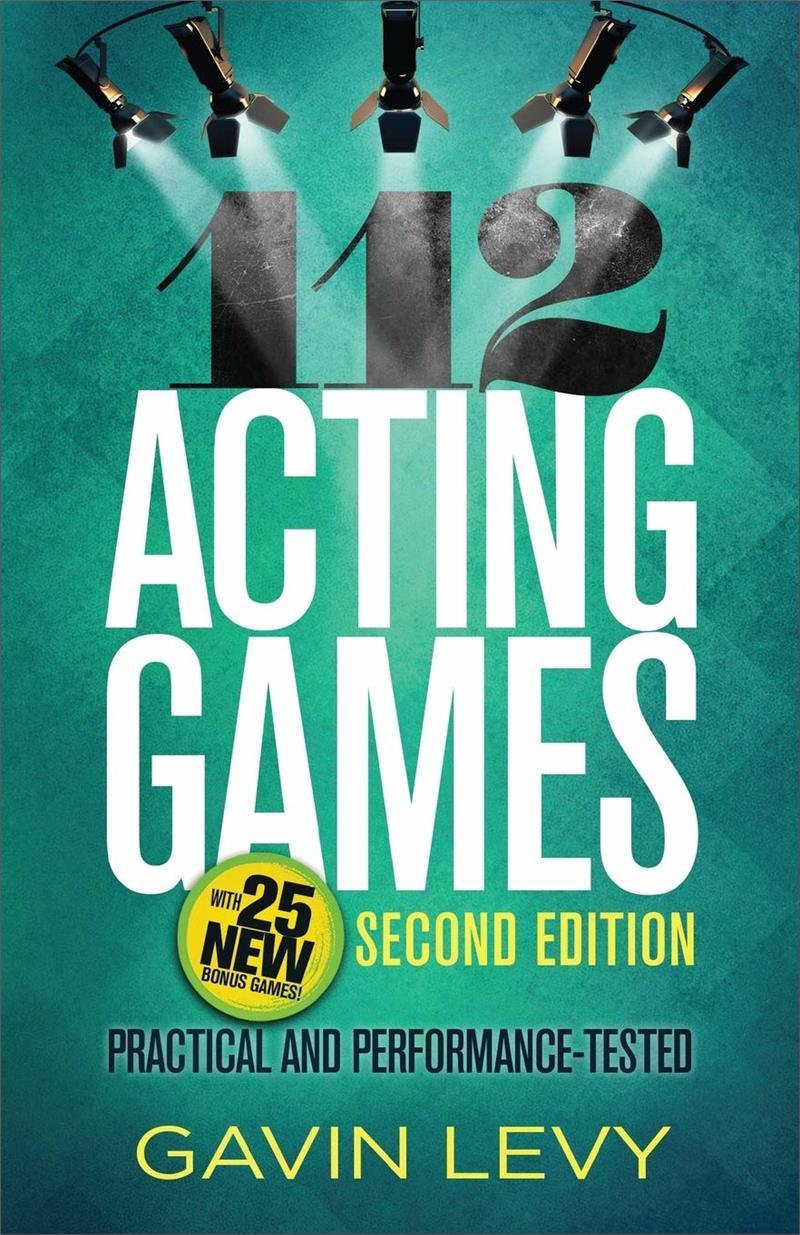
112 Acting Games
Gavin Levy

Drama Games and Improvs
Games for the Classroom and Beyond
Justine Jones; Mary Ann Kelley
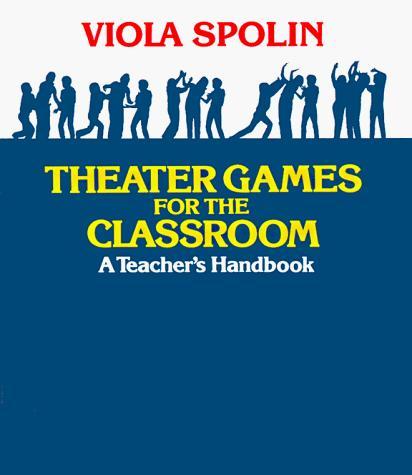
Theater Games for the Classroom
Viola Spolin
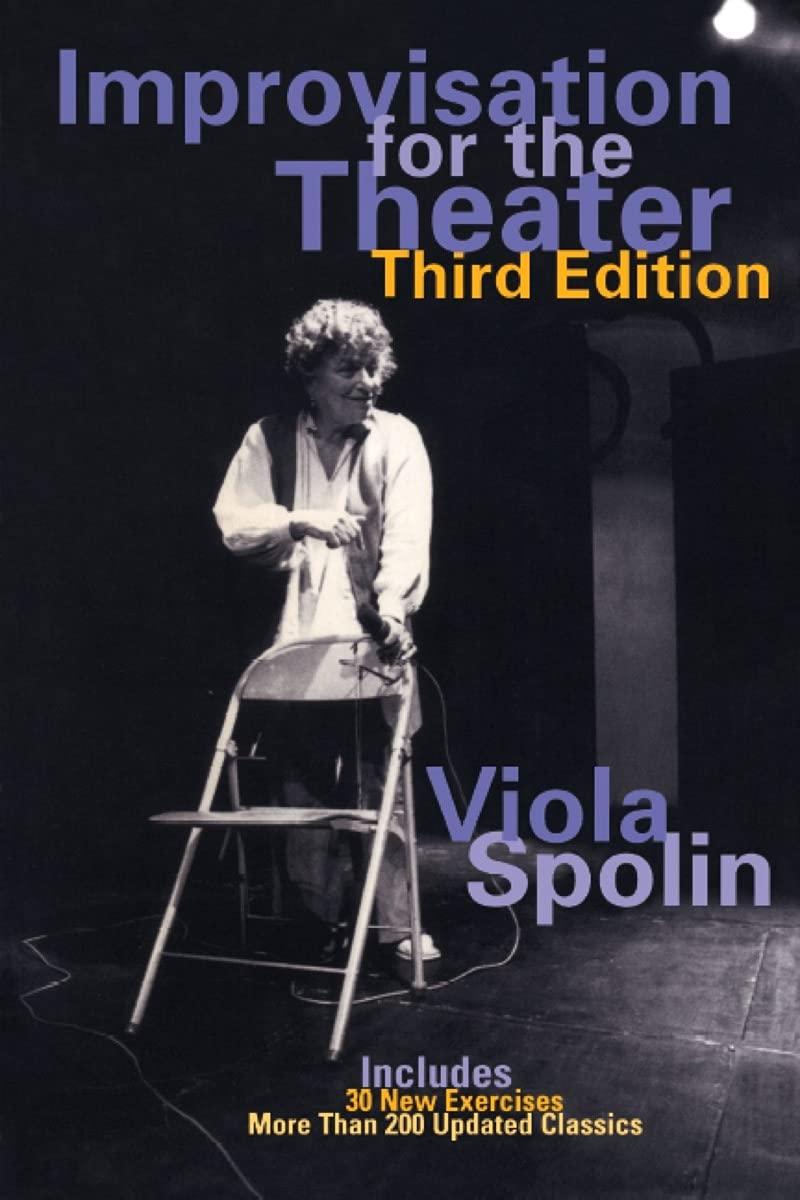
Improvisation for the Theater
A Handbook of Teaching and Directing Techniques
Viola Spolin
The Improvisation Game
Discovering the Secrets of Spontaneous Performance
Chris Johnston
Theater Games for Rehearsal
Viola Spolin
Related Exercises
Emotional Squares
Emotional Squares is a spatial improv exercise and game in which the performance area is divided into a grid of squares, each assigned a distinct emotion. Performers moving through the space must immediately adopt the emotional state of whatever square they occupy. Crossing into a new square produces an immediate emotional shift. The game rewards bold physical choices and clear, committed transitions between emotional states as performers navigate the grid.
Continuing Emotions
Continuing Emotions is a scene game in which performers cycle through a series of emotional states at the direction of a caller. Each emotional shift must be justified within the scene's reality rather than simply displayed, with characters finding a reason to feel the new state given what has just happened. The game trains emotional range, commitment, and the ability to sustain scene logic through rapid change.
Emotional Rollercoaster
Emotional Rollercoaster is a scene game in which performers cycle through a rapid sequence of escalating and de-escalating emotions within a single scene. The extreme shifts test a performer's range and their ability to justify sudden emotional changes within the scene's logic. The game produces high-energy, physically demanding performances.
Distance Game
Distance Game is a scene exercise in which the physical distance between performers directly dictates the emotional distance between their characters. As players move closer together, intimacy and tension increase; as they move apart, distance, separation, or conflict grows. The exercise makes the connection between physical space and emotional relationship viscerally apparent and trains performers to use the stage space as a primary storytelling tool.
Narrative, Color, Emotion
Narrative Color Emotion is a scene-building exercise in which performers construct a scene by layering three distinct types of contribution in rotation: narrative (plot-level information), color (sensory or atmospheric detail), and emotion (a felt response to the circumstances). The structured rotation prevents scenes from stalling in pure action or pure feeling, and trains performers to build scenes that are simultaneously propulsive, vivid, and emotionally alive.
How to Reference This Page
The Improv Archive. (2026). Emotional Quadrants. Retrieved September 28, 2026, from https://improvarchive.org/exercises/emotional-quadrants
The Improv Archive. "Emotional Quadrants." The Improv Archive, 2026. https://improvarchive.org/exercises/emotional-quadrants.
The Improv Archive. "Emotional Quadrants." The Improv Archive, 2026, https://improvarchive.org/exercises/emotional-quadrants. Accessed September 28, 2026.
The Improv Archive is a systemically maintained repository. The archive itself acts as the corporate author.