Emotional Squares
Emotional Squares is a spatial improv exercise and game in which the performance area is divided into a grid of squares, each assigned a distinct emotion. Performers moving through the space must immediately adopt the emotional state of whatever square they occupy. Crossing into a new square produces an immediate emotional shift. The game rewards bold physical choices and clear, committed transitions between emotional states as performers navigate the grid.
Structure
Setup
The playing space is divided into a grid of four to nine squares using tape, chalk, or clear physical boundaries. Each square is labeled with an emotion -- joy, grief, rage, terror, disgust, pride, longing, or others. The labels can be visible to performers and audience or withheld for a reveal version of the game.
Progression
Performers begin in a square and establish a scene or relationship from that emotional state. As performers move -- to approach someone, to flee, to cross the space -- they enter new squares and must shift emotion immediately and completely. The shift is not gradual; it is the instant the foot crosses the line.
The physical logic of the scene drives the emotional content rather than the emotional content driving the blocking. This inversion creates unexpected and often highly comic emotional transitions.
Conclusion
The game ends when a narrative moment is reached or when the facilitator determines the grid has been fully explored. Scenes typically run three to six minutes.
How to Teach It
Objectives
Emotional Squares targets rapid emotional commitment, the ability to fully inhabit an assigned emotional state without preparation, and the physical specificity of emotional expression. The spatial mechanic removes the performer's ability to choose their emotion, which reveals habitual defaults and gaps in emotional range.
How to Explain It
"The square you're standing in is how you feel. The second you step into a new square, that's your whole world now. There's no transition -- it just changes."
Scaffolding
Begin with a simple four-square grid (four contrasting emotions) before expanding to a more complex layout. Allow performers to walk through the grid before the scene begins, practicing the emotional shift in isolation.
Common Pitfalls
Performers often avoid moving to squares containing uncomfortable emotions, especially grief or vulnerability. The coaching note is that avoidance of a square is itself a performance choice -- and often the most interesting scene moments come from being forced into an emotional state the character has been resisting.
How to Perform It
Audience Intro
"Each of these squares has a different emotion assigned to it. The moment a performer steps into a new square, they feel something completely different -- no matter what's happening in the scene."
Cast Size
Minimum 2. Ideal 2 to 4. More performers produce more concurrent emotional variety but require a larger grid to give each performer enough space to move.
Staging
The grid should be clearly visible to the audience. Projecting the emotion labels or posting them upstage ensures the audience can track what each square contains. Performers should move with purpose -- deliberate crossings create cleaner emotional transitions than drifting.
Wrap-Up Logic
The game peaks when performers have visited multiple squares and the emotional contrasts have produced their best collisions. The host calls the close when the scene reaches a satisfying comedic or narrative conclusion.
Worth Reading
See all books →
Drama Games and Improvs
Games for the Classroom and Beyond
Justine Jones; Mary Ann Kelley

Improvisation for the Theater
A Handbook of Teaching and Directing Techniques
Viola Spolin

The Improvisation Game
Discovering the Secrets of Spontaneous Performance
Chris Johnston
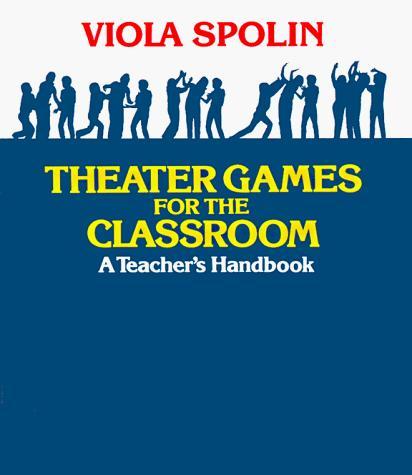
Theater Games for the Classroom
Viola Spolin

Theater Games for the Lone Actor
Viola Spolin
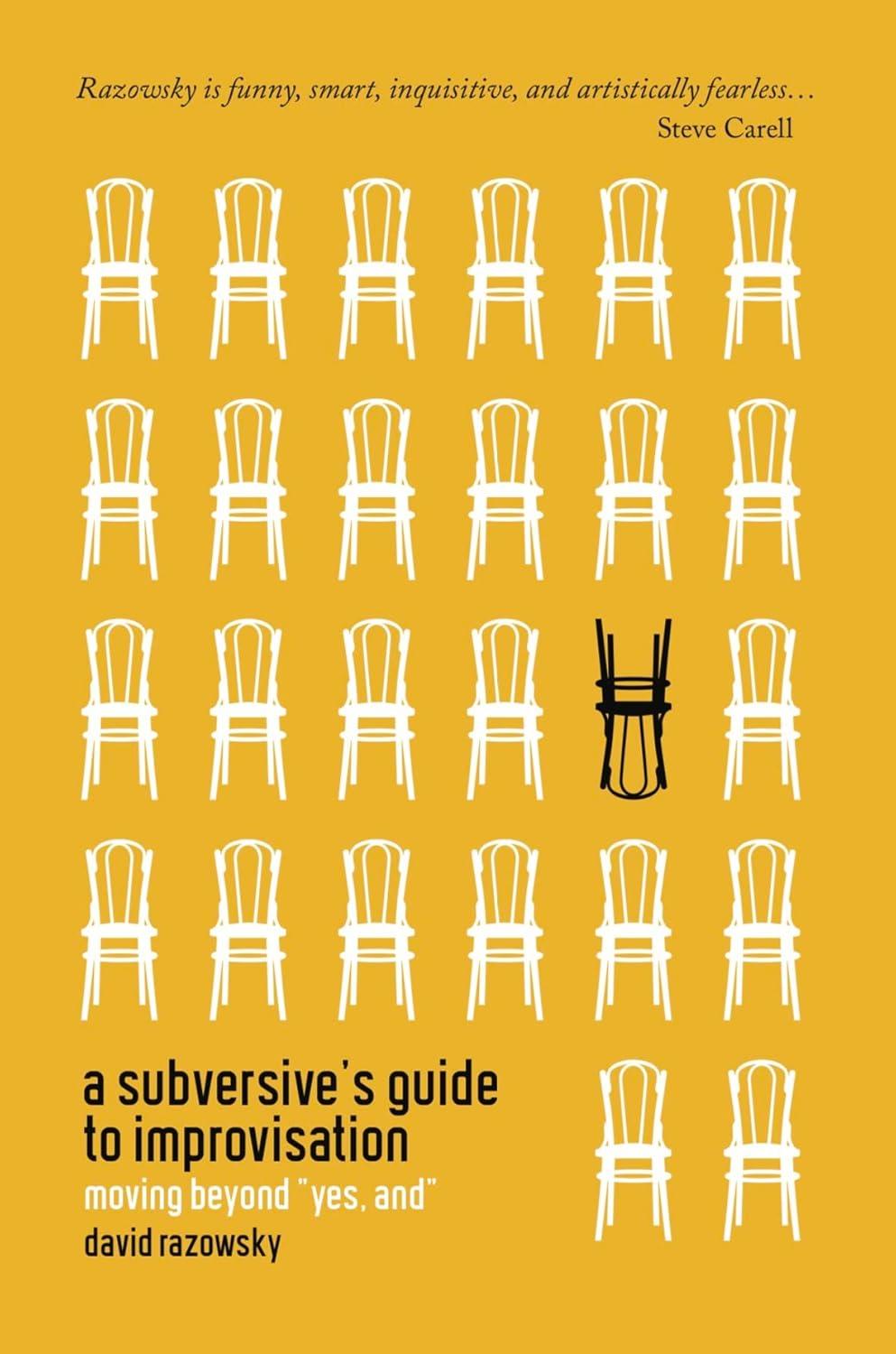
A Subversive's Guide to Improvisation
Moving Beyond "Yes, and"
David Razowsky
Related Exercises
Continuing Emotions
Continuing Emotions is a scene game in which performers cycle through a series of emotional states at the direction of a caller. Each emotional shift must be justified within the scene's reality rather than simply displayed, with characters finding a reason to feel the new state given what has just happened. The game trains emotional range, commitment, and the ability to sustain scene logic through rapid change.
Emotional Carpool
Emotional Carpool is an applied improv exercise in which participants enter an imaginary car one at a time, each bringing a strong emotion that all other passengers must immediately adopt as their own. The exercise explores emotional contagion -- the phenomenon in which the emotional state of one person spreads through a group -- and trains adaptability, emotional awareness, and the ability to shift registers on demand.
Emotional Endowment
Emotional Endowment is an applied improv exercise in which partners endow each other with an emotional state or characteristic that the other must accept and embody. One player assigns an emotional reality to their partner -- "You are devastated," "You are secretly thrilled" -- and the partner must accept that endowment fully without negotiating, correcting, or breaking the offer. The exercise develops awareness of emotional offers, the practice of acceptance, and the difference between explaining an emotion and inhabiting it.
Faces
Faces is an exercise in which players explore extreme facial expressions and the emotions they generate. By exaggerating the muscles of the face, performers discover how external expression triggers internal feeling. The exercise loosens facial tension and builds expressive range.
Narrative, Color, Emotion
Narrative Color Emotion is a scene-building exercise in which performers construct a scene by layering three distinct types of contribution in rotation: narrative (plot-level information), color (sensory or atmospheric detail), and emotion (a felt response to the circumstances). The structured rotation prevents scenes from stalling in pure action or pure feeling, and trains performers to build scenes that are simultaneously propulsive, vivid, and emotionally alive.
How to Reference This Page
The Improv Archive. (2026). Emotional Squares. Retrieved September 28, 2026, from https://improvarchive.org/exercises/emotional-squares
The Improv Archive. "Emotional Squares." The Improv Archive, 2026. https://improvarchive.org/exercises/emotional-squares.
The Improv Archive. "Emotional Squares." The Improv Archive, 2026, https://improvarchive.org/exercises/emotional-squares. Accessed September 28, 2026.
The Improv Archive is a systemically maintained repository. The archive itself acts as the corporate author.