Group Scene Point of View
Group Scene Point of View is a scene exercise in which a large group performs a single scene, with each player contributing from a consistent character perspective. Rather than multiple characters pursuing separate agendas, all participants inhabit roles within the same shared reality and must maintain their individual points of view while serving the scene collectively. The exercise develops the ability to hold a consistent character perspective across a complex group environment.
Structure
Setup
The full group enters a shared scene space. A location or context is established -- a waiting room, a company meeting, a courtroom gallery -- that can accommodate multiple characters simultaneously.
Character Perspective
Each player establishes a distinct character point of view: a specific attitude toward the situation, a relationship to the other people present, and a consistent way of perceiving and responding to events. Players do not negotiate their characters with each other; each player discovers their perspective in the scene.
The Scene
The scene proceeds as a real scene, not a series of individual turns. Characters interact, react to each other, and respond to events as they unfold. Each player must maintain their own perspective while remaining genuinely responsive to what is happening around them. The challenge is sustaining individual character specificity inside a dense group environment.
Facilitator Role
The facilitator may pause the scene to coach individual players on consistency, or to name what the group has discovered -- a moment of genuine collective reaction, a character whose perspective infected the rest, a scene that found its own momentum.
Conclusion
The exercise ends when the scene reaches a natural peak or when the facilitator brings the group to stillness. Debrief focuses on the experience of holding individual perspective within a group.
How to Teach It
Objectives
Group Scene Point of View develops the ability to sustain individual character specificity in a group scene, to listen and react genuinely while maintaining a consistent perspective, and to contribute to a shared scene from a specific and consistent point of view.
How to Explain It
"You each have a point of view -- a specific way of seeing this situation. Hold onto that. React from your character's perspective, not from the outside. The scene belongs to all of you together, but your character belongs to you."
Scaffolding
Begin with a simple, clear context that gives all characters an obvious relationship to the situation -- everyone is waiting for the same thing, attending the same event, working in the same space. Complexity in the scene emerges from the characters, not from a complicated premise.
Common Pitfalls
Players sometimes abandon their character perspective to serve the scene at a general level -- becoming generic reactors rather than specific characters. The coaching note is that the scene is richer when every person in the room has a distinct relationship to what is happening, not just the performers at the center.
Worth Reading
See all books →
Group Improvisation
The Manual of Ensemble Improv Games
Peter Campbell Gwinn; Charna Halpern
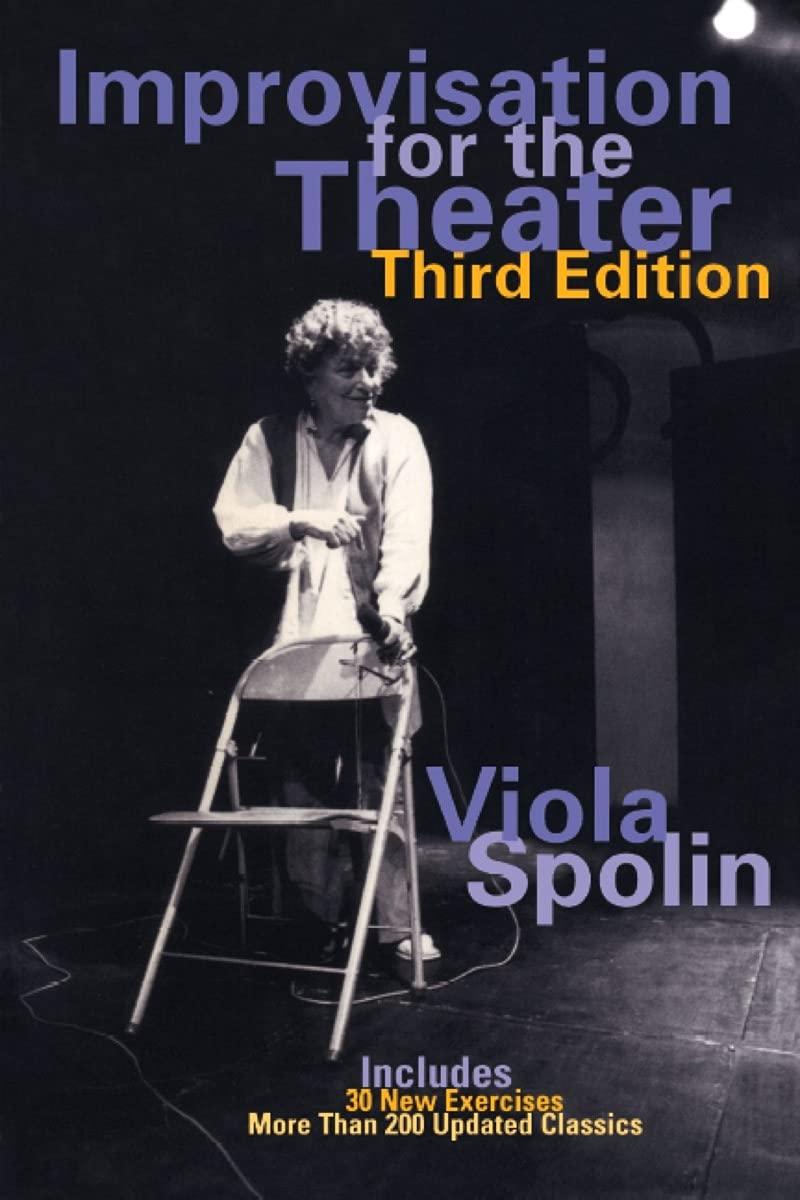
Improvisation for the Theater
A Handbook of Teaching and Directing Techniques
Viola Spolin
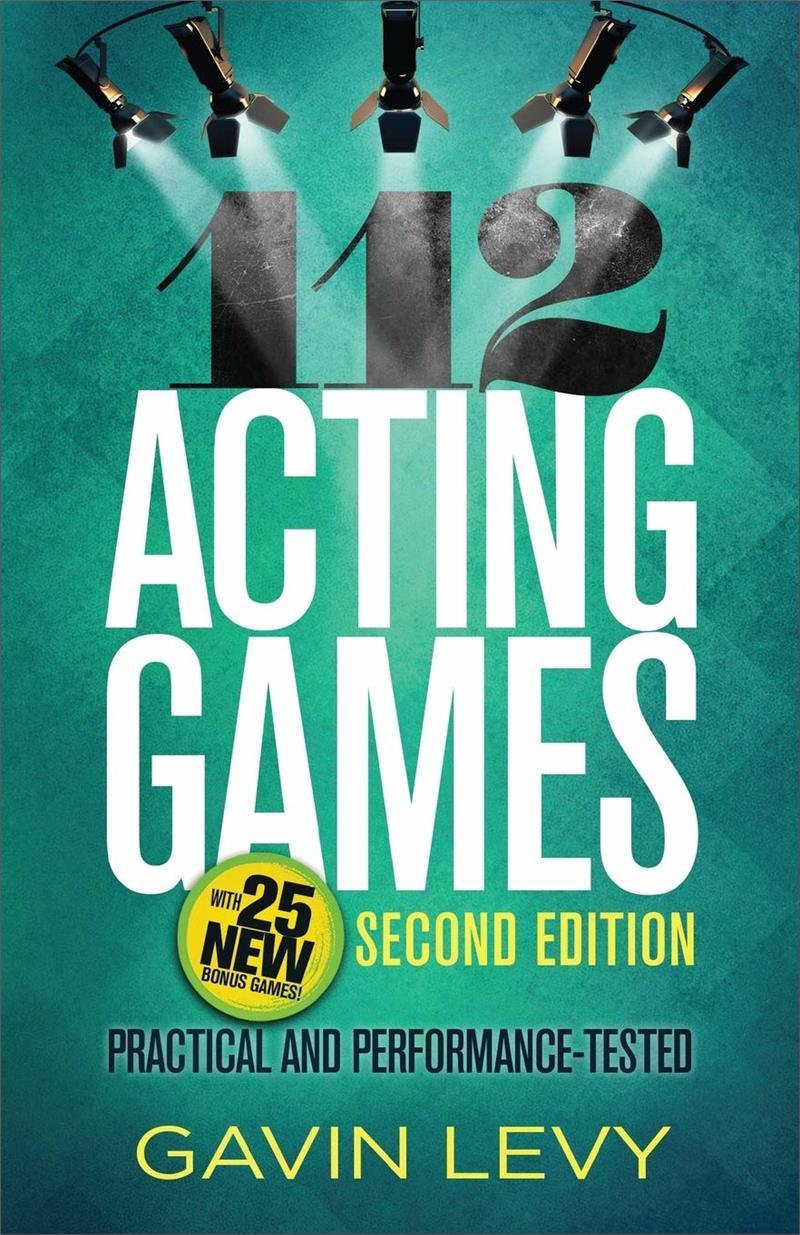
112 Acting Games
Gavin Levy
Theater Games for Rehearsal
Viola Spolin
Theater Games for the Lone Actor
Viola Spolin

Playing Along
37 Group Learning Activities Borrowed from Improvisational Theater
Izzy Gesell
Related Exercises
Point of View
Point of View is a scene exercise in which players perform or re-perform the same event from the perspective of different characters, revealing how subjective experience shapes what each participant notices, values, and remembers. The exercise trains character consistency, empathy, and the improv principle that every scene contains multiple valid truths simultaneously -- none of which is objectively correct.
Point of View Post-It Notes
Point of View Post-It Notes is a scene exercise in which performers receive sticky notes with written character perspectives, attitudes, or emotional stances that they must embody throughout an improvised scene. The exercise separates point of view from plot, training performers to let a strong perspective drive their choices rather than relying on narrative invention.
Scenes in the Same Setting
Scenes in the Same Setting is an exercise in which multiple pairs or groups perform separate scenes all set in the same location, exploring how a single environment can host vastly different characters, relationships, and stories. The exercise demonstrates that setting is a springboard rather than a limitation.
Strike a Pose
Strike a Pose is a physical exercise in which players assume strong, committed physical positions and use each pose as a starting point for character, scene, or interpretive discovery. The exercise demonstrates that physical choices precede and inform emotional and character choices, rather than following from them. Multiple documented variants use the same core mechanic of striking and holding a pose to develop ensemble responsiveness, scene inspiration, and interpretive skill.
Portrait
Portrait is an applied improvisation exercise from The Applied Improvisation Mindset in which one participant poses while others describe what they observe. The exercise develops skills of attention, descriptive precision, and the ability to notice details without projecting assumptions onto another person.
Character / Scene Walkabout
Character/Scene Walkabout is an exercise in which performers walk through the space and, on a signal, immediately enter a scene with whoever is nearest. The random pairing and instant commitment prevent over-planning. The exercise builds comfort with initiating scenes with any partner and develops quick character choices.
How to Reference This Page
The Improv Archive. (2026). Group Scene Point of View. Retrieved September 29, 2026, from https://improvarchive.org/exercises/group-scene-point-of-view
The Improv Archive. "Group Scene Point of View." The Improv Archive, 2026. https://improvarchive.org/exercises/group-scene-point-of-view.
The Improv Archive. "Group Scene Point of View." The Improv Archive, 2026, https://improvarchive.org/exercises/group-scene-point-of-view. Accessed September 29, 2026.
The Improv Archive is a systemically maintained repository. The archive itself acts as the corporate author.