Character / Scene Walkabout
Character/Scene Walkabout is an exercise in which performers walk through the space and, on a signal, immediately enter a scene with whoever is nearest. The random pairing and instant commitment prevent over-planning. The exercise builds comfort with initiating scenes with any partner and develops quick character choices.
Structure
Setup
Players spread out and walk through the space. The facilitator asks players to begin taking on a physical character as they walk - an age, a body type, an emotional state, a way of moving through the world.
Phase 1: Establish Character
Players walk for 60-90 seconds, deepening their character through physicality alone: posture, pace, the way their hands move, where their gaze falls. No speaking yet.
Phase 2: Encounters
The facilitator calls "Scene!" Players immediately form a scene with the nearest person to them. They begin mid-action - no "hellos" or scene-setup. Characters meet in the middle of something. The scene runs for 45-60 seconds.
"Walk" - players separate and walk through the space again, adjusting or maintaining their character.
Repeat: "Scene!" with the nearest person - who may now be different.
Phase 3: Rapid Initiation
As the exercise progresses, shorten the walk time between scenes. By the fifth or sixth round, players are essentially transitioning directly from one scene to another with minimal walk break. The exercise tests the ability to initiate immediately, with any partner, from a physical character starting point.
Variation: Character Hand-Off
After each scene, a player may "receive" an element of their partner's character and bring it into their next scene, tracking how characters propagate through the space.
How to Teach It
How to Explain It
"Walk through the space with a character. When I call 'Scene,' start a scene immediately with whoever is nearest. No setup - begin mid-action. I'll call 'Walk' to separate you. Keep your character or let a new one emerge."
Why It Matters
Character Scene Walkabout directly addresses one of the most common workshop failures: performers waiting for the right partner, the right moment, or the right idea before initiating a scene. By building random pairing into the structure, the exercise removes the choice of partner entirely. The character established through walking gives each performer a physical starting point, so the scene begins from something real rather than from nothing. The exercise builds confidence with initiating and the trust that a scene can begin anywhere, with anyone, at any moment.
Common Coaching Notes
- The walk is not downtime. Performers often let their character drop during the walk phase, returning to neutral. Redirect: "Stay in your character. The walk is how your character moves through the world."
- "Mid-action" means mid-action. If scenes start with "Hi" and "Hey" and "How are you," they have not initiated. Prompt: "Where are you? What are you doing? Begin there."
- Encourage character transformation. After several rounds, some players lock into the same character. Invite exploration: "Try the opposite of what you've been doing. What's new?"
- End with a debrief on initiation. The exercise generates data about each player's initiating habits. Use it.
Debrief Questions
- What made it easy or hard to initiate immediately?
- Did your character change across the scenes? How?
- What happened when you had to start a scene with someone you weren't expecting?
Worth Reading
See all books →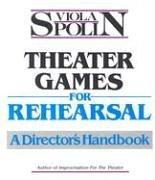
Theater Games for Rehearsal
Viola Spolin
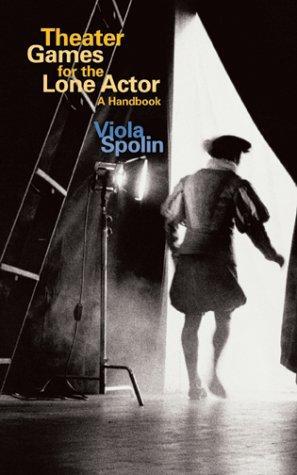
Theater Games for the Lone Actor
Viola Spolin
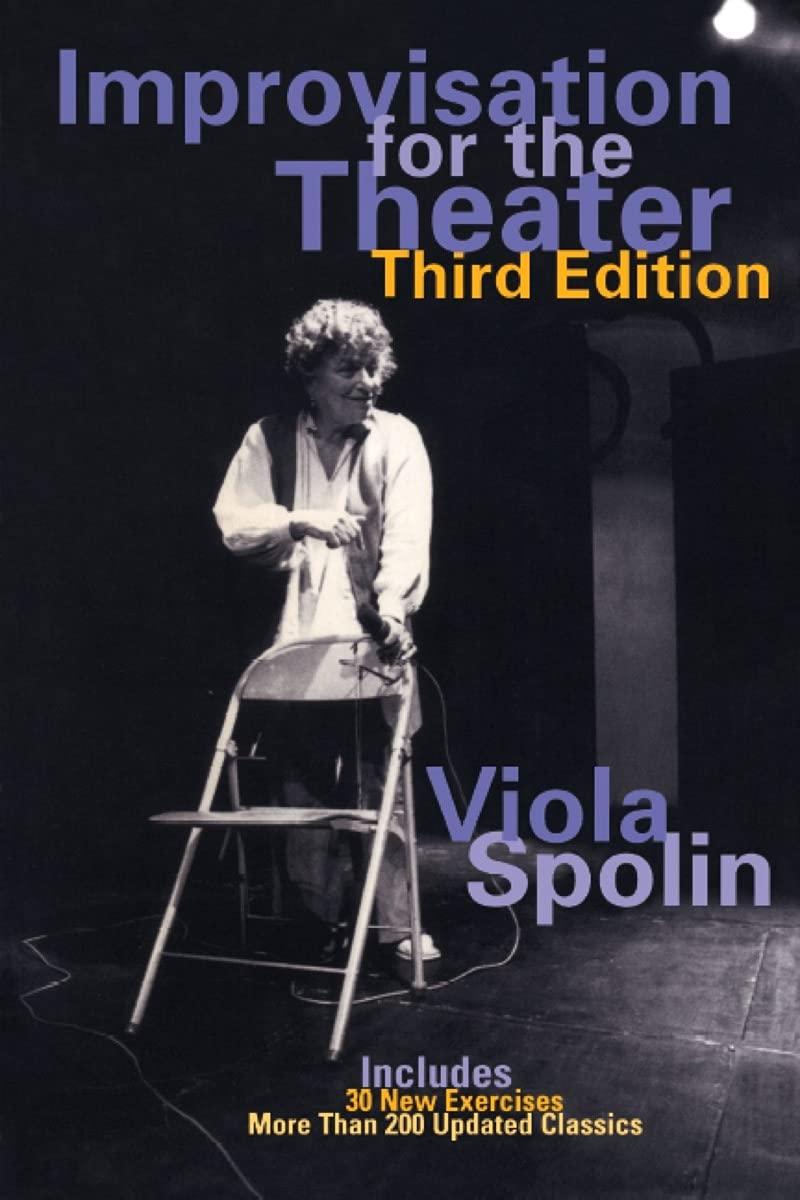
Improvisation for the Theater
A Handbook of Teaching and Directing Techniques
Viola Spolin

Improvisation Starters
A Collection of 900 Improvisation Situations for the Theater
Philip Bernardi

Improvising Now
A Practical Guide to Modern Improv
Rob Norman

Mask Improvisation for Actor Training and Performance
the compelling image
Sears A. Eldredge
Related Exercises
Scene / Character Walkabout
Scene/Character Walkabout is an exercise in which performers walk around the space embodying a character, then engage in brief scene interactions with other walking characters. The exercise develops character physicality, the ability to initiate scenes organically, and the skill of maintaining a character while simultaneously navigating an unstructured environment.
Action and Entrance
Action and Entrance is an exercise in which a player enters the scene space performing a specific physical activity that establishes character and context before any dialogue begins. The emphasis on physical initiation teaches performers that action communicates faster than words. It reinforces the principle of entering a scene with a strong, clear choice.
Meet & Greet Walkabout
Meet, Greet, Walkabout is a physical warm-up and ensemble-building exercise in which participants walk through the space and meet each other in a series of brief, structured encounters. Each encounter follows a format set by the facilitator -- a specific greeting, a specific question, or a specific physical acknowledgment -- and participants move from person to person at a pace set by the facilitator. The exercise builds early ensemble connection and reduces the social distance between participants before more demanding group work begins.
In-Out
In-Out is a scene exercise in which performers practice entering and leaving scenes with purpose and clarity. Each entrance must contribute something specific and each exit must feel earned. The exercise trains awareness of when a scene needs a new element and when a character has served their function.
John Cremer Characters and Scenes
John Cremer Characters and Scenes is a character-building and scene initiation exercise developed by UK improviser and educator John Cremer, in which participants develop distinct physicalized characters and then bring those characters into spontaneous scenes with one another. The exercise trains the connection between physical specificity and character logic, building confidence in initiating scenes from a grounded physical starting point rather than from dialogue or concept.
How to Reference This Page
The Improv Archive. (2026). Character / Scene Walkabout. Retrieved September 28, 2026, from https://improvarchive.org/exercises/character-scene-walkabout
The Improv Archive. "Character / Scene Walkabout." The Improv Archive, 2026. https://improvarchive.org/exercises/character-scene-walkabout.
The Improv Archive. "Character / Scene Walkabout." The Improv Archive, 2026, https://improvarchive.org/exercises/character-scene-walkabout. Accessed September 28, 2026.
The Improv Archive is a systemically maintained repository. The archive itself acts as the corporate author.