Hype (Wo)Man
Hype Wo/Man is an applied exercise in which one participant presents, speaks, or demonstrates something while a partner serves as their enthusiastic supporter -- amplifying, celebrating, and affirming every contribution with genuine energy. The exercise develops the experience of being actively supported by a colleague, builds the skill of providing energized encouragement, and demonstrates the effect of visible support on a speaker's confidence and willingness to take risks.
Structure
Setup
Participants work in pairs. One is designated the presenter and one is designated the Hype Wo/Man. The facilitator establishes what the presenter will do: introduce themselves, explain a project, pitch an idea, or demonstrate a skill.
The Presentation
The presenter speaks or acts. The Hype Wo/Man responds to everything with genuine, enthusiastic support: affirmation ("Yes!", "That's it!"), amplification ("Tell them more about that!"), celebration of specific choices ("The way you said that -- brilliant"), and physical encouragement.
The Hype Wo/Man does not evaluate, correct, or redirect -- only amplify and celebrate.
Role Reversal
Pairs switch roles. The previous presenter becomes the Hype Wo/Man; the previous Hype Wo/Man presents.
Group Debrief
Participants reflect on how the support affected their experience of presenting -- what it changed in their confidence, risk-taking, and willingness to go further with an idea.
How to Teach It
Objectives
Hype Wo/Man develops the experience of being actively supported, the skill of providing genuine encouragement, and awareness of how visible support affects performance, risk-taking, and idea quality. It also builds the norm of celebration rather than evaluation as a default group response.
How to Explain It
"One of you will present. The other will be your biggest fan. Not just politely supportive -- genuinely excited about everything you do. Notice what it does to you to be supported like that."
Scaffolding
Brief the Hype Wo/Man role explicitly before the exercise begins: genuine support is specific (naming what you are celebrating), energized (not polite applause), and continuous (not waiting for something particularly impressive). Vague support sounds hollow; specific support lands.
Common Pitfalls
Hype Wo/Men sometimes deliver support that is generic or performatively enthusiastic rather than genuinely specific. The coaching note is that the presenter can feel the difference between someone who is watching them carefully and responding to what they are actually doing versus someone producing enthusiasm as a general condition.
In Applied Settings
Learning Objectives
In applied settings, Hype Wo/Man develops the experience of active support and the skill of providing it. Most professional environments under-invest in visible encouragement, particularly for new ideas, creative contributions, and presentations by people who are already uncertain. The exercise makes the effect of support viscerally clear and builds the skill of delivering it specifically.
Workplace Transfer
The exercise transfers to the quality of support offered in meetings, creative sessions, and presentations. Participants who have been both presenter and Hype Wo/Man report greater awareness of whether they are actually amplifying a colleague's contributions or waiting for something more impressive. The skill of specific, energized affirmation -- naming what worked and amplifying it -- is immediately applicable in collaborative work.
Facilitation Context
Hype Wo/Man is used in creative team workshops, communication training, leadership development, and sessions focused on psychological safety and idea generation. It works well with pairs from any group size and requires no prior improv experience. Particularly effective in cultures where criticism is more practiced than celebration.
Debrief Framing
Ask participants: "What changed for you as a presenter when you had a Hype Wo/Man? What made the support feel genuine versus hollow? When does your team need someone to play that role in a real work context?"
Skills Developed
Worth Reading
See all books →
The Applied Improvisation Mindset
Tools for Transforming Individuals, Organizations, and Communities
Theresa Robbins Dudeck; Caitlin McClure

The Art of Making Sh!t Up
Using the Principles of Improv to Become an Unstoppable Powerhouse
Norm LaViolette; Bob Melley
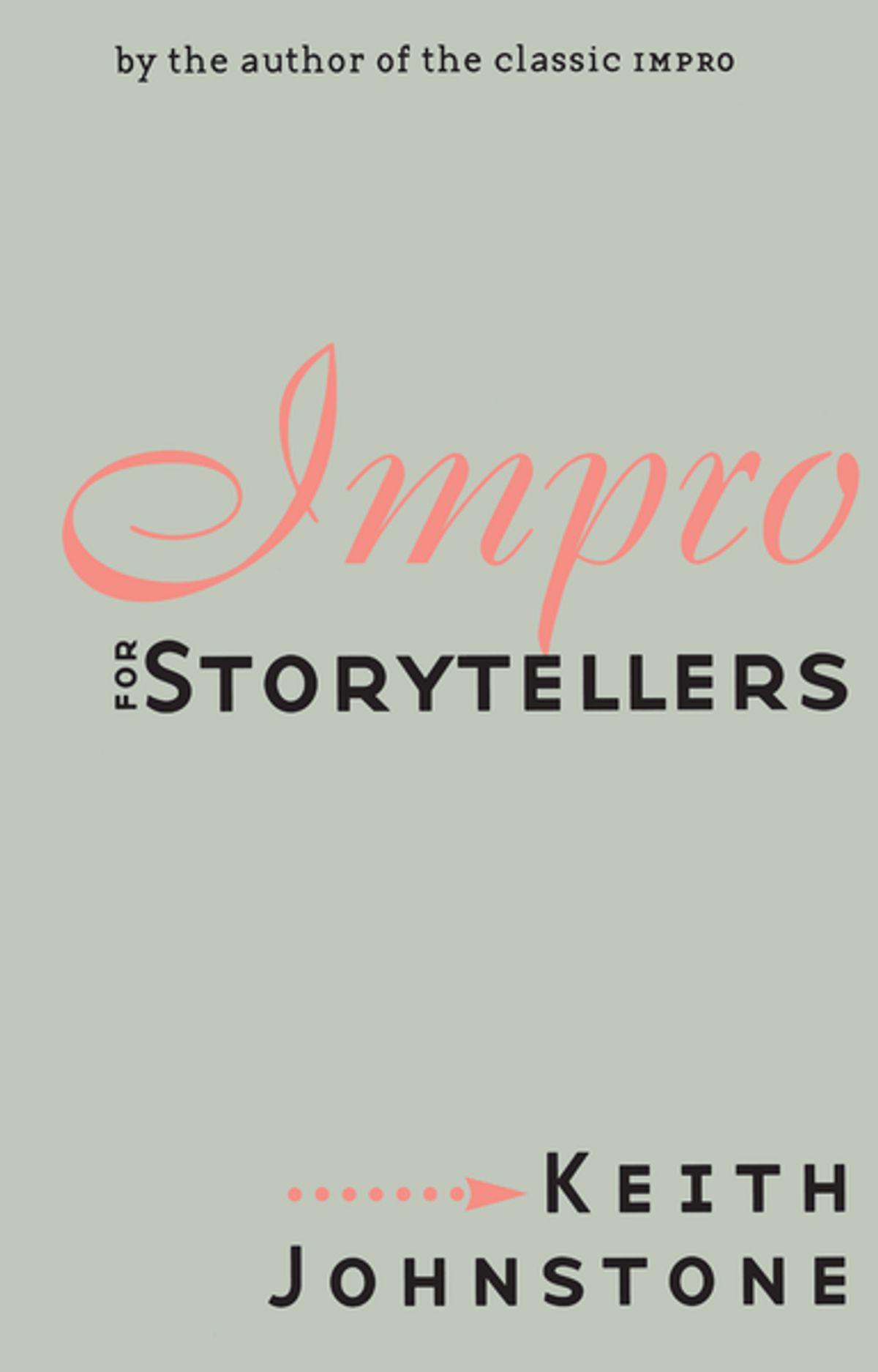
Impro for Storytellers
Keith Johnstone

The "Yes And" Business Evolution
Improv Skills for Leadership and Life
Tracy Shea-Porter

When I Say This, Do You Mean That?
Enhancing Communication
Cherie Kerr; Julia Sweeney
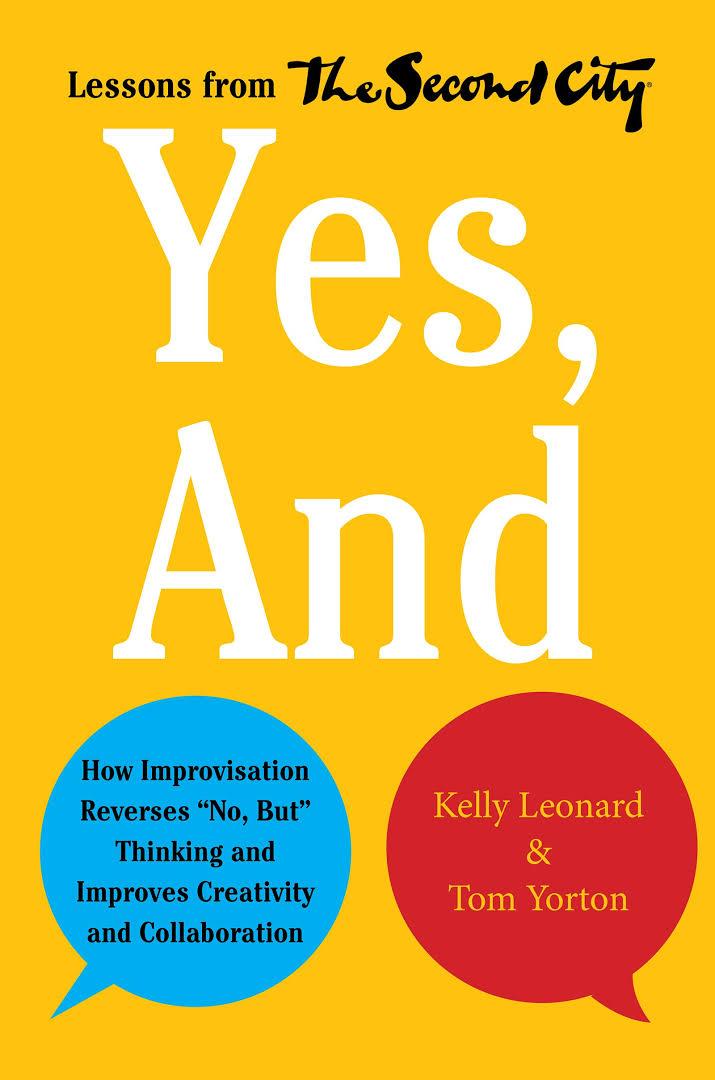
Yes, And
How Improvisation Reverses No, But Thinking and Improves Creativity and Collaboration
Kelly Leonard; Tom Yorton
Related Exercises
Fuck Yeah!
Fuck Yeah! is an affirmation exercise in which players celebrate each other's offers, ideas, and choices with immediate, enthusiastic, profanity-optional approval. When a scene partner makes an offer, the group or the other performer responds with full-body, vocally committed affirmation rather than analysis or evaluation. The exercise trains the Yes-And reflex at its most visceral and develops comfort with unreserved enthusiasm as a collaborative default.
Yes Lets
Yes Let's is an ensemble exercise in which any participant can call out an activity and the entire group enthusiastically responds "Yes, let's!" and immediately begins doing it. The exercise builds collective permission and creates a culture of unguarded acceptance.
Offering Support
Offering Support is an applied improvisation exercise in which participants practice the skill of providing support to a partner or team member who is struggling, uncertain, or stuck in a scene or collaborative task. The exercise trains the ability to notice when someone needs help and to offer that help in a way that empowers the recipient rather than taking over.
I’m Great, You’re Great, We’re Great
I'm Great, You're Great, We're Great is an energizing group affirmation exercise in which participants affirm themselves, their partners, and the ensemble as a whole through eye contact, physical commitment, and full-voiced declaration. The exercise generates collective momentum and group warmth rapidly, and it trains performers to inhabit positive energy physically rather than performing positivity from a detached or self-conscious position.
Yipee
Yipee is an energizing warm-up exercise in which players celebrate with exaggerated expressions of joy, shouting the word and accompanying it with full-body physical gestures. The exercise breaks through self-consciousness and establishes a tone of uninhibited play. It is often used to lift group energy after slower, more focused work.
Support
Support is a collection of partner and group exercises that demonstrate and practice giving and receiving support within a team. The activities emphasize that all members are responsible for the success of the whole group, not just their individual contributions.
The Lineage
Explore the schools and structures that influenced or evolved from Hype (Wo)Man.
The Applied Improvisation Mindset (Dudeck & McClure)
How to Reference This Page
The Improv Archive. (2026). Hype (Wo)Man. Retrieved September 28, 2026, from https://improvarchive.org/exercises/hype-wo-man
The Improv Archive. "Hype (Wo)Man." The Improv Archive, 2026. https://improvarchive.org/exercises/hype-wo-man.
The Improv Archive. "Hype (Wo)Man." The Improv Archive, 2026, https://improvarchive.org/exercises/hype-wo-man. Accessed September 28, 2026.
The Improv Archive is a systemically maintained repository. The archive itself acts as the corporate author.