Performance of an Audience
Performance of an Audience is an applied improvisation exercise that explores the reciprocal relationship between performer and spectator. Participants experience both roles, discovering how the quality of attention an audience gives shapes the performer's experience and how conscious, engaged witnessing differs from passive spectating. The exercise builds awareness that presence and attention are active contributions to any group interaction.
Structure
Setup
Participants work in pairs or small groups. No props or preparation are needed.
Progression
One participant performs a simple task while the others serve as the audience. The task can be as ordinary as telling a short personal story, describing a recent experience, or performing a brief physical action.
The facilitator guides the audience through different qualities of attention across multiple rounds. In one round, audience members are distracted, checking phones or looking away. In another, they offer neutral, polite attention. In a third round, they provide deeply engaged, supportive presence: leaning in, maintaining eye contact, responding with genuine interest.
After each round, the performer reflects on how the audience's behavior affected their confidence, willingness to take risks, and sense of connection. Roles switch so every participant experiences both sides.
Debrief
The group discusses the relationship between giving attention and receiving it. Key questions include what changed for the performer when the audience shifted, what it felt like to be a deeply engaged audience member, and how these dynamics appear in everyday professional interactions where one person presents while others listen.
How to Teach It
Objectives
Performance of an Audience trains participants to recognize that attention is not passive. The exercise makes visible how the quality of presence in a room shapes what is possible. In applied settings, this insight transfers directly to meetings, presentations, and one-on-one conversations where the listener's engagement determines the speaker's willingness to share openly.
How to Explain It
"One person is going to tell us a short story. The rest of us are the audience. I am going to give you specific instructions about how to listen. After each round, the speaker will tell us what the experience was like."
Scaffolding
Begin with the distracted audience round. This is the most dramatic contrast and gives performers a visceral experience of what disengagement feels like. Move to neutral attention, then to full engagement. The progression from worst to best creates a clear emotional arc that makes the debrief more productive.
For groups that are uncomfortable performing, keep the tasks simple and low-stakes. Describing what they had for breakfast is enough to demonstrate the effect.
Common Pitfalls
The most common issue is audience members who cannot sustain the distracted role because they feel rude. Acknowledge this discomfort and frame it as evidence that most people naturally want to give good attention. The exercise reveals what happens when that instinct is suppressed.
A second issue is performers who dismiss the effect by claiming the audience behavior did not affect them. Gently probe further. The impact is almost always present even when it is not immediately acknowledged.
In Applied Settings
Performance of an Audience is used in leadership development, team-building, and facilitation training to demonstrate that presence is a skill, not a default state. In corporate settings, the exercise opens conversations about meeting culture: how distracted colleagues affect presenters, how the quality of listening in a room determines the quality of ideas shared. Facilitators use it to establish group norms around attention and respect before longer workshops.
Skills Developed
Worth Reading
See all books →
The Applied Improvisation Mindset
Tools for Transforming Individuals, Organizations, and Communities
Theresa Robbins Dudeck; Caitlin McClure

Theatrical Improvisation, Consciousness, and Cognition
Clayton D. Drinko
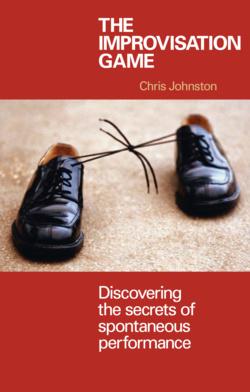
The Improvisation Game
Discovering the Secrets of Spontaneous Performance
Chris Johnston

Improvising Real Life
Personal Story in Playback Theatre
Jo Salas
Theater Games for Rehearsal
Viola Spolin
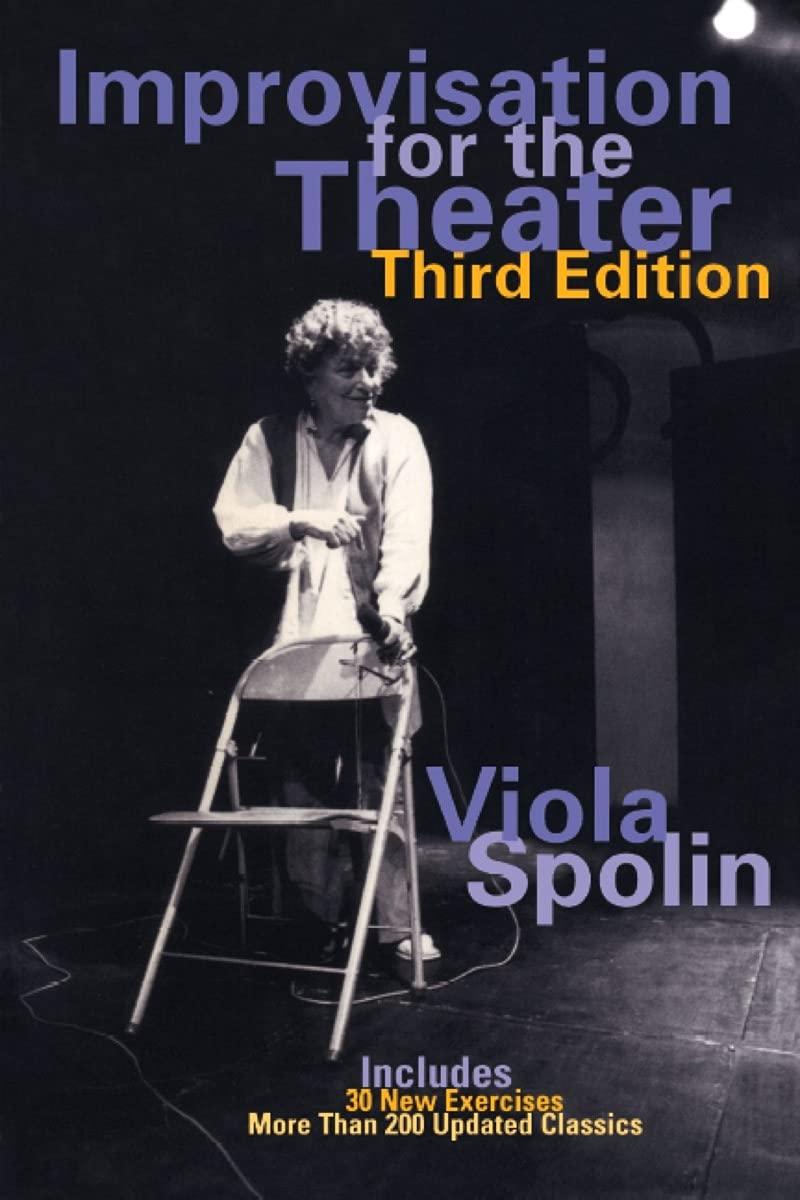
Improvisation for the Theater
A Handbook of Teaching and Directing Techniques
Viola Spolin
Related Exercises
Observe
Observe is an applied improvisation exercise in which participants practice deliberate, sustained observation of their environment, other people, or a group dynamic without intervening, interpreting, or acting. The exercise trains the foundational skill of seeing clearly before responding -- a capacity that underpins effective leadership, facilitation, and collaborative work.
Performing Curiosity
Performing Curiosity is an applied improvisation exercise in which participants practice embodying genuine curiosity through three specific conversational directions: listening for what is new, asking open questions, and focusing attention outward. The core insight is that performing curiosity, even when it feels like pretending, generates genuine curiosity. The exercise develops listening, empathy, and the ability to shift attention away from internal judgment and toward a conversation partner.
Flatmates Just Do Nothing
Flatmates Just Do Nothing is a scene exercise in which performers play roommates engaged in completely mundane, low-stakes activity -- watching television, eating cereal, folding laundry -- with no dramatic agenda imposed from outside. The exercise trains the ability to be fully present in an ordinary moment, to find authentic relationship texture in ordinary behavior, and to trust that genuine connection and specificity are sufficient engines for scene without the need for conflict or event.
Present without Scripting
Present Without Scripting is an applied improvisation exercise from Business Improv in which participants practice delivering spontaneous presentations without prepared remarks. The exercise builds confidence in speaking from knowledge and instinct rather than from written scripts, demonstrating that authentic communication often connects more effectively than rehearsed delivery.
Clown 12345
Clown 12345 is a clowning exercise that progresses through five numbered stages of physical and emotional exposure, developing performers' comfort with presence, visibility, and playful self-expression. Each stage increases the degree to which the performer is fully available to be seen, culminating in full clown engagement with no protective distance between the performer and the audience.
Portrait
Portrait is an applied improvisation exercise from The Applied Improvisation Mindset in which one participant poses while others describe what they observe. The exercise develops skills of attention, descriptive precision, and the ability to notice details without projecting assumptions onto another person.
The Lineage
Explore the schools and structures that influenced or evolved from Performance of an Audience.
The Applied Improvisation Mindset (Dudeck & McClure)
How to Reference This Page
The Improv Archive. (2026). Performance of an Audience. Retrieved September 29, 2026, from https://improvarchive.org/exercises/performance-of-an-audience
The Improv Archive. "Performance of an Audience." The Improv Archive, 2026. https://improvarchive.org/exercises/performance-of-an-audience.
The Improv Archive. "Performance of an Audience." The Improv Archive, 2026, https://improvarchive.org/exercises/performance-of-an-audience. Accessed September 29, 2026.
The Improv Archive is a systemically maintained repository. The archive itself acts as the corporate author.