Rhythm Machine Part Three: The Oppression Machine
The Oppression Machine is the third part of a three-part rhythm machine sequence in which the machine represents systems of oppression. Participants build interlocking sounds and movements that embody how systemic forces operate, creating a visceral, embodied experience of how oppressive systems function, perpetuate themselves, and might be disrupted.
Structure
Setup
This exercise follows the foundational work of The Blank Machine (Part One) and The Image Machine (Part Two). Participants should be familiar with the basic machine-building structure. The facilitator introduces the concept: the group will build a machine that represents a system of oppression, such as racism, economic inequality, gender discrimination, or another system relevant to the group's context.
Progression
The facilitator names the system to be explored. One participant enters and begins a repeating sound and movement that represents one aspect of how that system operates. Others join one at a time, each adding a component that represents a different dimension of the system: institutional policies, cultural narratives, individual behaviors, economic mechanisms, or media representation.
As the machine runs, participants experience from inside how interlocking components create a system that is larger and more powerful than any single part. The facilitator may ask the machine to speed up, demonstrating escalation, or to remove one part, showing how the system adapts and continues.
The facilitator then invites discussion: What did it feel like to be inside the machine? What did your part represent? What would it take to stop this machine? The conversation moves from embodied experience to analysis, grounding abstract concepts in physical memory.
Variations
A disruption version asks participants to find ways to slow, redirect, or stop the machine from within, exploring strategies of resistance. A counter-machine version builds a second machine representing liberation or justice alongside the first.
How to Teach It
Objectives
The Oppression Machine uses embodied experience to deepen understanding of systemic forces. It moves beyond intellectual analysis by giving participants a physical sensation of how systems operate through interlocking, self-reinforcing components. The exercise develops critical consciousness and the ability to analyze complex social systems.
How to Explain It
"We are going to build a machine that represents a system of oppression. Each of you will add a part that represents one way this system operates. As the machine runs, pay attention to how it feels to be inside it and how all the parts work together."
Scaffolding
This exercise requires significant trust and emotional readiness. Complete Parts One and Two first. Establish clear agreements about respect and emotional safety. The facilitator should be prepared to hold space for strong emotional responses during the debrief.
Common Pitfalls
The most significant risk is trivializing the subject matter. If participants approach the exercise with insufficient seriousness, it can feel reductive rather than illuminating. The facilitator must set the tone clearly. A second concern is participants becoming overwhelmed by the emotional weight of the exercise. Build in clear transition time between the machine and the debrief, and check in with participants afterward.
In Applied Settings
The Oppression Machine is used in social justice education, diversity training, and community organizing contexts. It draws on Augusto Boal's Theatre of the Oppressed tradition, using theatrical techniques to analyze and rehearse responses to social inequality. The embodied nature of the exercise creates understanding that lectures and readings cannot replicate. Facilitators use it to bridge the gap between intellectual awareness of systemic issues and the felt experience of how those systems operate on individuals and communities.
Skills Developed
Worth Reading
See all books →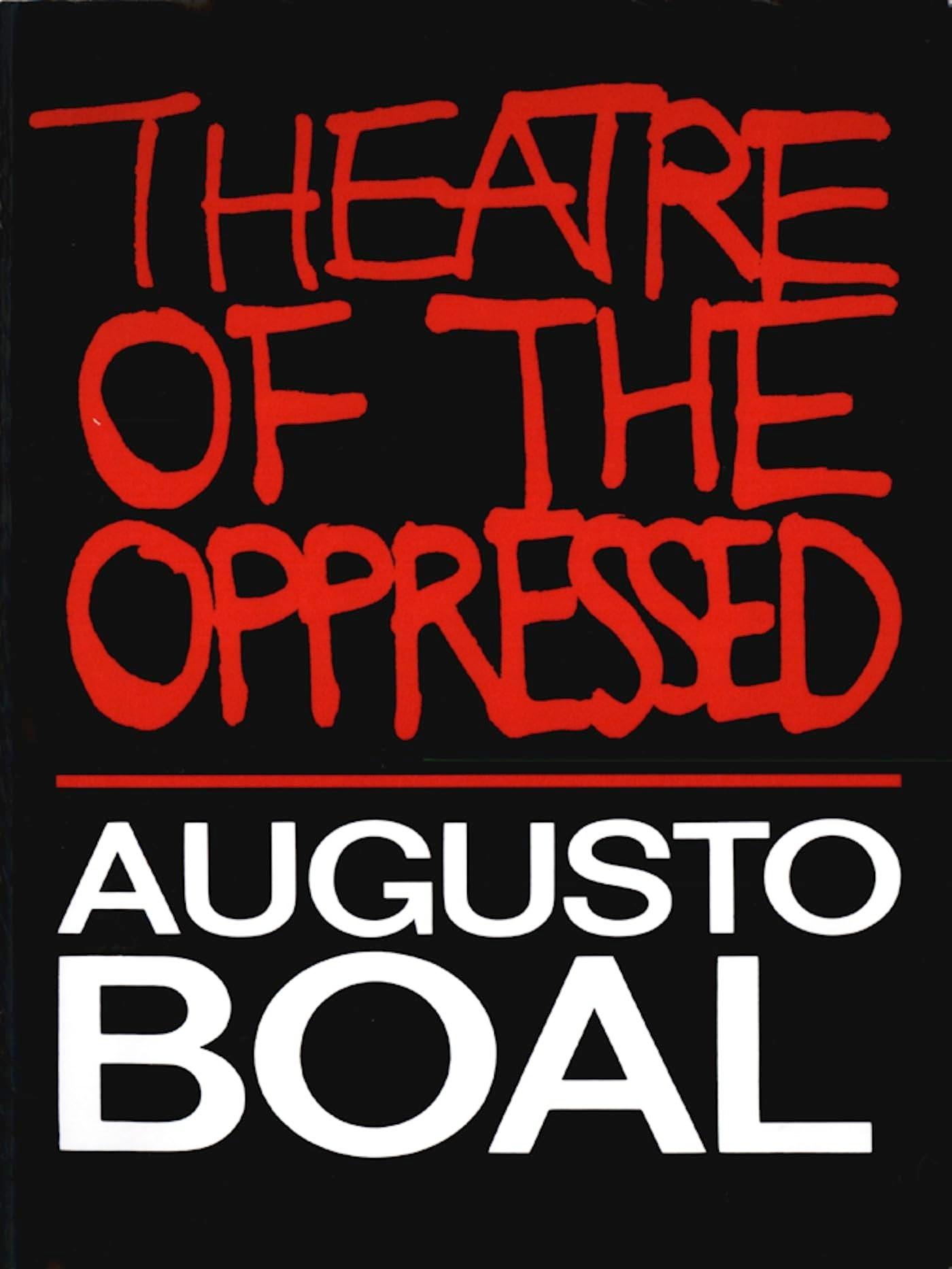
Theatre of the Oppressed
Augusto Boal

Theatrical Improvisation, Consciousness, and Cognition
Clayton D. Drinko

The Applied Improvisation Mindset
Tools for Transforming Individuals, Organizations, and Communities
Theresa Robbins Dudeck; Caitlin McClure

Action Theater
The Improvisation of Presence
Ruth Zaporah
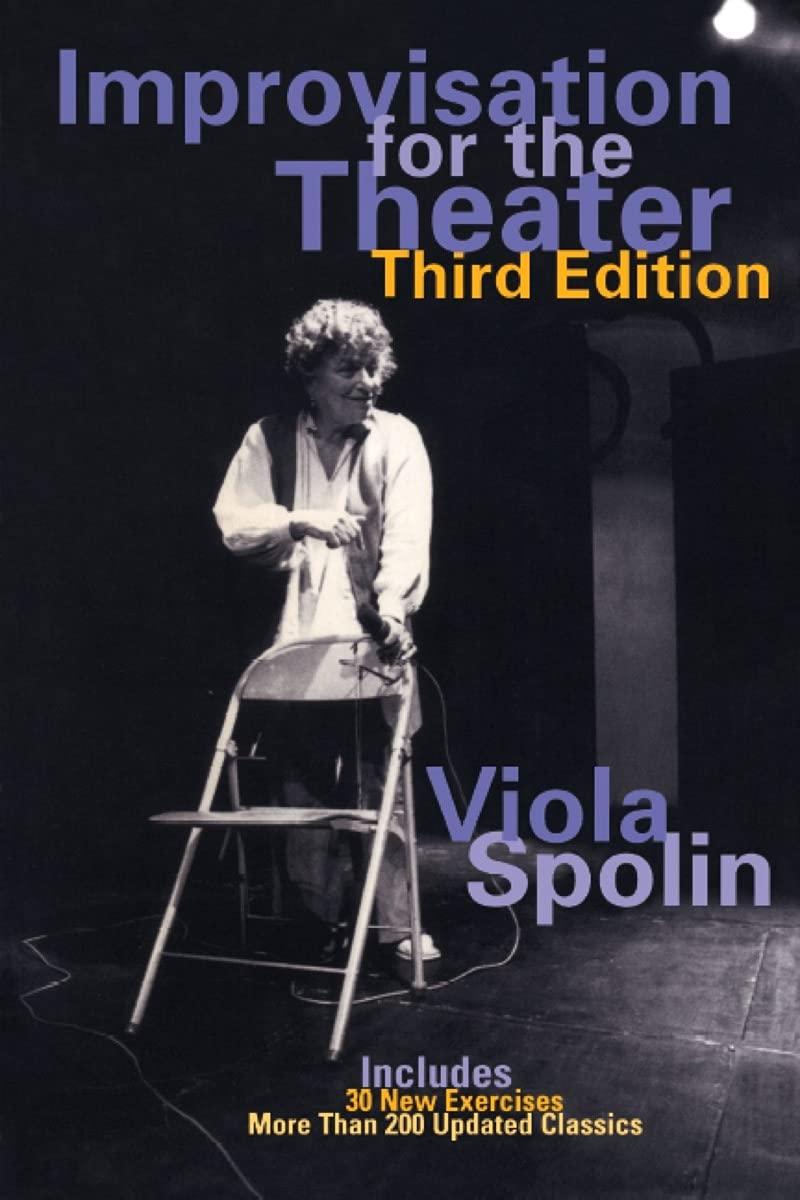
Improvisation for the Theater
A Handbook of Teaching and Directing Techniques
Viola Spolin

Semiotics and Pragmatics of Stage Improvisation
Domenico Pietropaolo; Paul Bouissac
Related Exercises
Rhythm Machine Part One: The Blank Machine
The Blank Machine is the first part of a three-part rhythm machine sequence in which participants build a group 'machine' by adding repeating sounds and movements one at a time. Each person contributes a distinct mechanical component, creating an interlocking system of rhythm, sound, and motion that represents the ensemble working as a unified whole.
Rhythm Machine Part Two: The Image Machine
The Image Machine is the second part of a three-part rhythm machine sequence in which the machine represents a specific image or concept rather than remaining abstract. Participants build interlocking sounds and movements that evoke a named theme, adding narrative and expressive meaning to the mechanical structure established in Part One.
Machine
Machine is a group exercise in which one player starts a repeating movement and sound, and the rest of the group joins one at a time until the ensemble becomes one interlocking human machine. Each new part has to connect to what is already happening instead of operating as a separate solo. The exercise trains timing, ensemble awareness, physical commitment, and the habit of building something together in full view of the room.
Radical Relationality
Radical Relationality is an applied improvisation exercise from The Applied Improvisation Mindset in which participants explore deep interconnection through physical and verbal practices. The exercise challenges individualistic defaults by making visible the ways in which each person's actions, choices, and presence shape and are shaped by everyone else in the group.
Name the Monster
Name the Monster is a reflective exercise in which participants identify and name the internal critic, fear, or resistance that arises for them in improvisation or creative work. By giving the inner critic a distinct name and persona, the exercise creates psychological distance from self-limiting thought patterns, making them easier to recognize and set aside during performance or rehearsal.
Conch Shell
Conch Shell is an applied improvisation exercise in which a physical object serves as a speaking token: only the person holding the object may speak. The mechanic enforces one-voice-at-a-time give-and-take in group conversations, making unequal participation patterns visible and creating structured space for voices that are typically crowded out by more dominant speakers.
The Lineage
Explore the schools and structures that influenced or evolved from Rhythm Machine Part Three: The Oppression Machine.
Applied Improvisation (Dudeck & McClure)
How to Reference This Page
The Improv Archive. (2026). Rhythm Machine Part Three: The Oppression Machine. Retrieved September 28, 2026, from https://improvarchive.org/exercises/rhythm-machine-part-three-the-oppression-machine
The Improv Archive. "Rhythm Machine Part Three: The Oppression Machine." The Improv Archive, 2026. https://improvarchive.org/exercises/rhythm-machine-part-three-the-oppression-machine.
The Improv Archive. "Rhythm Machine Part Three: The Oppression Machine." The Improv Archive, 2026, https://improvarchive.org/exercises/rhythm-machine-part-three-the-oppression-machine. Accessed September 28, 2026.
The Improv Archive is a systemically maintained repository. The archive itself acts as the corporate author.