Scene Replay
Scene Replay is a short-form game in which a scene is performed once, then replayed with a significant modification such as a new genre, emotional shift, or physical constraint. The replay preserves the original scene's structure and relationship while the imposed change reveals how a single variable transforms meaning, comedy, and dynamics.
Structure
Setup
Two or more performers play a scene based on an audience suggestion. This first version plays naturally, establishing characters, a relationship, and a basic situation. The audience and other players watch carefully, noting the key beats and turning points.
The Replay
After the initial scene concludes, the host solicits or assigns a modification for the replay. Common modifications include performing the scene as a different genre (horror, romance, western), at a different speed (double time, slow motion), with a physical constraint (everyone sits, performers cannot use their hands), or with an emotional shift (everything played with maximum anger, everything whispered).
The performers replay the scene from the top, hitting the same major beats and dialogue patterns while adapting everything to the new constraint. The comedy and discovery come from seeing familiar moments transformed. A casual greeting becomes terrifying in the horror version. A dramatic breakup becomes absurd at triple speed.
Multiple Replays
Most performances include three to five replays, each with a different modification. The modifications typically escalate in difficulty or absurdity. The final replay often combines multiple constraints or uses a particularly challenging modification such as performing the entire scene as an opera or in reverse order.
Resolution
The game ends after the final replay. Some versions let the audience choose the modifications by shouting suggestions. Others use predetermined categories that the host selects from.
How to Teach It
Objectives
Scene Replay trains performers to identify the essential beats of a scene and to adapt their work to external constraints while maintaining scenic integrity. It develops flexibility, genre awareness, and the ability to commit fully to a given style.
How to Explain It
"Play a scene. Then we will replay it several times, each time with a different modification I will give you. Keep the same basic scene, hit the same beats, but let the modification change everything about how you play it."
Scaffolding
Begin with straightforward genre replays before introducing speed or physical constraints. Encourage performers to identify three to five key beats in their original scene before the first replay. This gives them a shared roadmap.
Common Pitfalls
Performers sometimes abandon the original scene entirely and improvise something new under the constraint. The exercise loses its power when the replay is unrecognizable. Conversely, performers who replay the scene identically with only surface-level nods to the constraint miss the transformative potential. The balance is maintaining the scene's skeleton while letting the constraint reshape every muscle.
How to Perform It
Audience Engagement
Scene Replay works best when the initial scene contains clear, memorable beats that the audience can recognize in each subsequent version. Strong physical choices, distinctive dialogue lines, and definitive emotional moments all provide anchors that make the replays satisfying to watch.
Playing the Replays
The strongest replays maintain the architecture of the original scene while fully committing to the new constraint. Performers who merely add a thin layer of the modification on top of unchanged scene work miss the potential. The constraint should affect everything: how characters enter, how they relate to objects, how they deliver every line.
Escalation
Arranging modifications from accessible to extreme keeps the audience's investment growing. Starting with a genre shift, moving to a speed change, and finishing with something physically demanding or conceptually absurd creates a natural arc of escalation.
Worth Reading
See all books →
Theater Games for Rehearsal
Viola Spolin

Improvising Real Life
Personal Story in Playback Theatre
Jo Salas
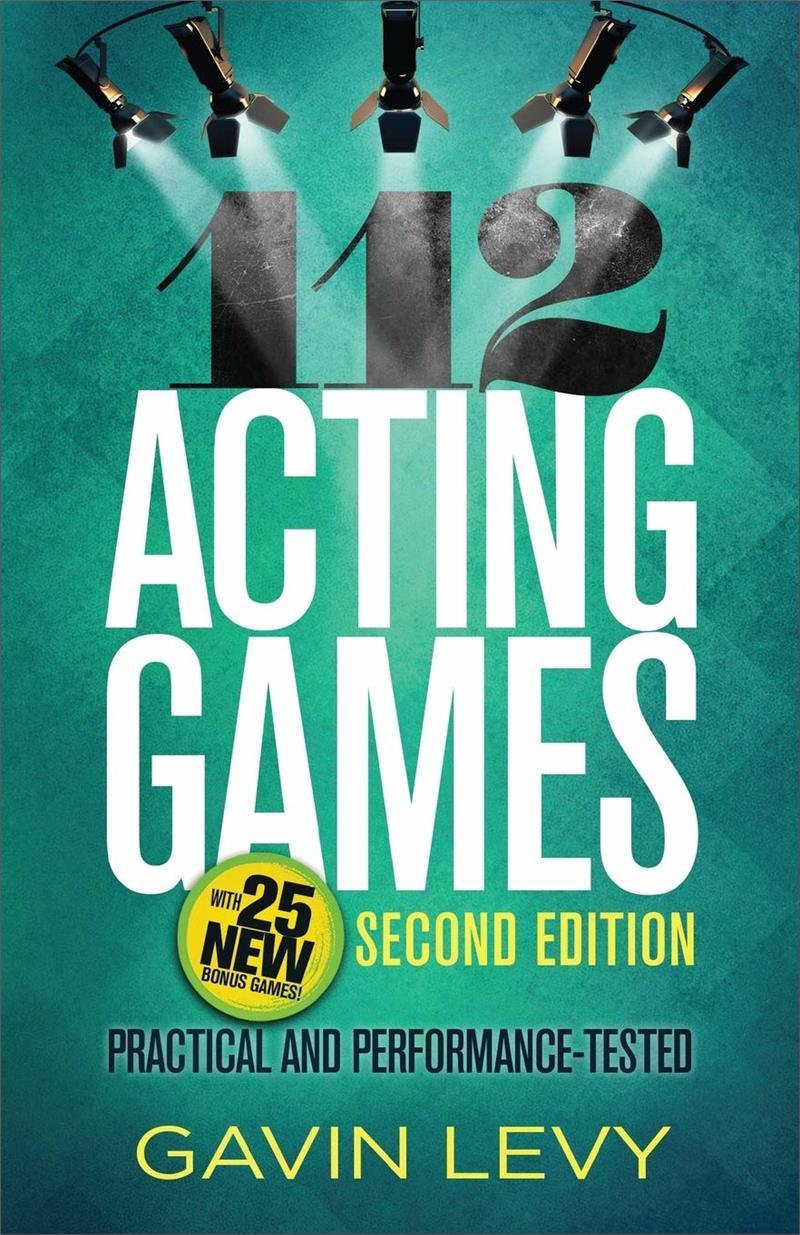
112 Acting Games
Gavin Levy

Theatrical Improvisation, Consciousness, and Cognition
Clayton D. Drinko

Improvising Now
A Practical Guide to Modern Improv
Rob Norman
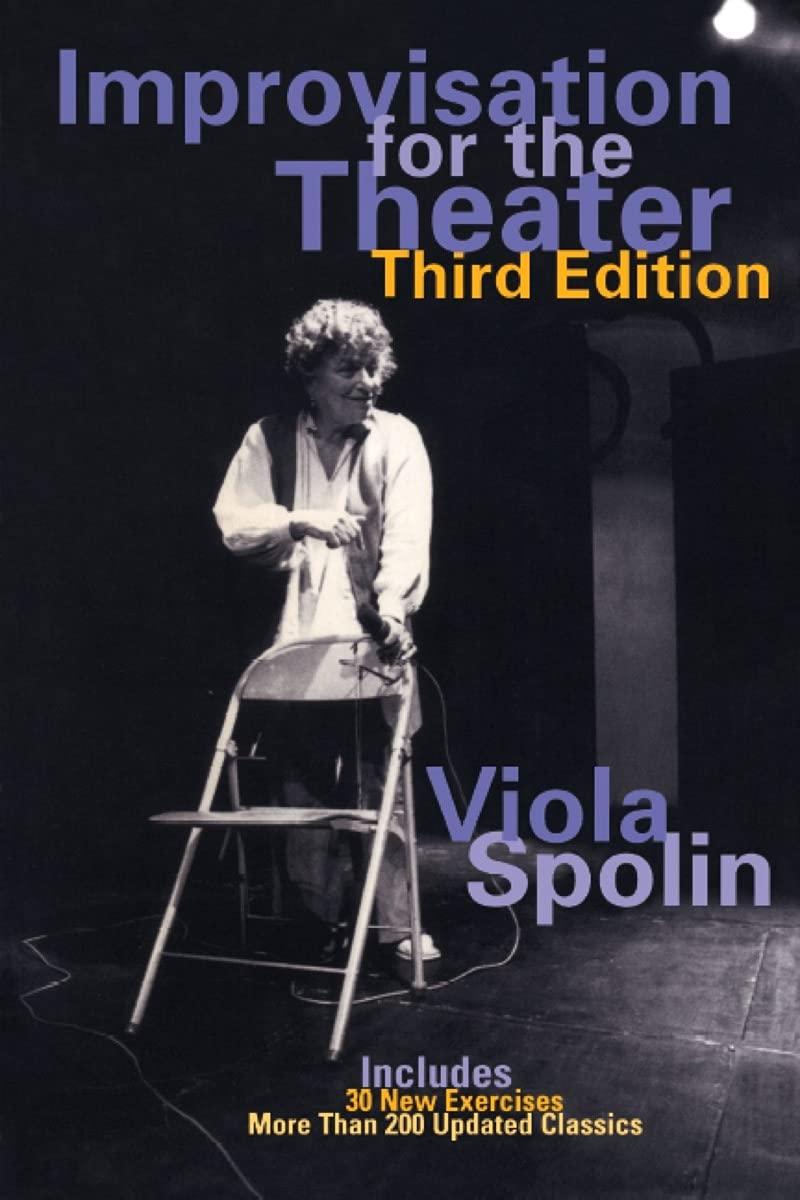
Improvisation for the Theater
A Handbook of Teaching and Directing Techniques
Viola Spolin
Related Exercises
Scene Repeater
Scene Repeater is an exercise in which performers replay the same scene multiple times with different constraints, adjustments, or stylistic shifts each round. The repetition reveals how changing a single variable transforms the entire scene, developing versatility and deepening understanding of scene mechanics.
Replay Gibberish
Replay Gibberish is a short-form game in which a scene is first performed in coherent dialogue, then replayed entirely in gibberish. The performers must convey the same story, emotions, and relationships using only invented sounds, facial expressions, and physicality, demonstrating how much communication exists beyond words.
How to Reference This Page
The Improv Archive. (2026). Scene Replay. Retrieved September 28, 2026, from https://improvarchive.org/exercises/scene-replay
The Improv Archive. "Scene Replay." The Improv Archive, 2026. https://improvarchive.org/exercises/scene-replay.
The Improv Archive. "Scene Replay." The Improv Archive, 2026, https://improvarchive.org/exercises/scene-replay. Accessed September 28, 2026.
The Improv Archive is a systemically maintained repository. The archive itself acts as the corporate author.