Sportscaster Olympics
Sportscaster Olympics is a team exercise in which three seated sportscasters take turns narrating one sentence at a time while two silent athletes pantomime the described action. The exercise develops collaborative storytelling, physical commitment, and the interplay between verbal description and physical interpretation.
Structure
Setup
Five participants are needed: three seated in a row as sportscasters and two standing as athletes. The audience or facilitator suggests an Olympic event, which can be real (swimming, gymnastics) or absurd (competitive dishwashing, extreme knitting).
The Commentary
The three sportscasters narrate the event one sentence at a time, rotating in order. Sportscaster one might say: "And the athlete from Finland takes the starting position." Sportscaster two continues: "The crowd goes silent as she prepares for her signature move." Sportscaster three adds: "She launches into a triple rotation with incredible form."
Each sentence must build on what came before while giving the athletes something concrete to perform. The sportscasters create the narrative while the athletes create the visual.
The Athletes
The two athletes perform everything the sportscasters describe, interpreting each sentence physically in real time. They do not speak. Their job is to bring the commentary to life through committed pantomime. When the sportscasters describe something impossible or absurd, the athletes must find a way to physicalize it.
Interplay
The strongest performances create a feedback loop between commentators and athletes. The sportscasters see what the athletes are doing and incorporate those physical choices into the narrative. The athletes, in turn, respond to unexpected narrative developments with creative physical solutions. Neither side controls the scene alone.
Conclusion
The event builds toward a climax: the final score, the medal ceremony, or a dramatic photo finish. The sportscasters heighten their commentary toward a definitive moment while the athletes deliver the physical payoff.
How to Teach It
Objectives
Sportscaster Olympics develops collaborative storytelling across verbal and physical channels, trains the ability to build on others' contributions, and practices the sportscaster's skill of narrating action as it happens.
How to Explain It
"Three of you are sportscasters. Two of you are athletes. Sportscasters: you narrate the event one sentence at a time. Athletes: you perform everything they describe. Sportscasters do not move. Athletes do not speak. Work together."
Scaffolding
Begin with a real sport that has clear, describable actions. This gives both sportscasters and athletes familiar territory. Progress to absurd or invented sports once the group demonstrates the ability to coordinate narration and action.
Common Pitfalls
The most common pitfall is sportscasters who describe actions that are impossible to pantomime or who provide so much verbal detail that the athletes cannot keep up. Coach sportscasters to give clear, actable sentences. Another issue is athletes who wait passively for instructions rather than actively interpreting and performing the narration.
In Applied Settings
Presentation Skills
The sportscaster role directly trains the ability to narrate and describe action in real time, a valuable skill for presenters who must walk audiences through demonstrations, data visualizations, or live processes.
Team Coordination
The exercise demonstrates how teams must coordinate across different roles and communication channels. The sportscasters and athletes represent different functions that must align without direct discussion, mirroring cross-functional team dynamics.
Facilitation Notes
In applied settings, debrief the experience of working across the verbal-physical divide. Ask how participants adapted when the other group did something unexpected. The exercise surfaces insights about cross-functional communication and the importance of giving actionable instructions.
Skills Developed
Worth Reading
See all books →
Improv to Improve Your Leadership Team
Tear down Walls and Build Bridges
Candy Campbell

Acting Through Improv
Improv Through Theatresports
Lynda Belt; Rebecca Stockley
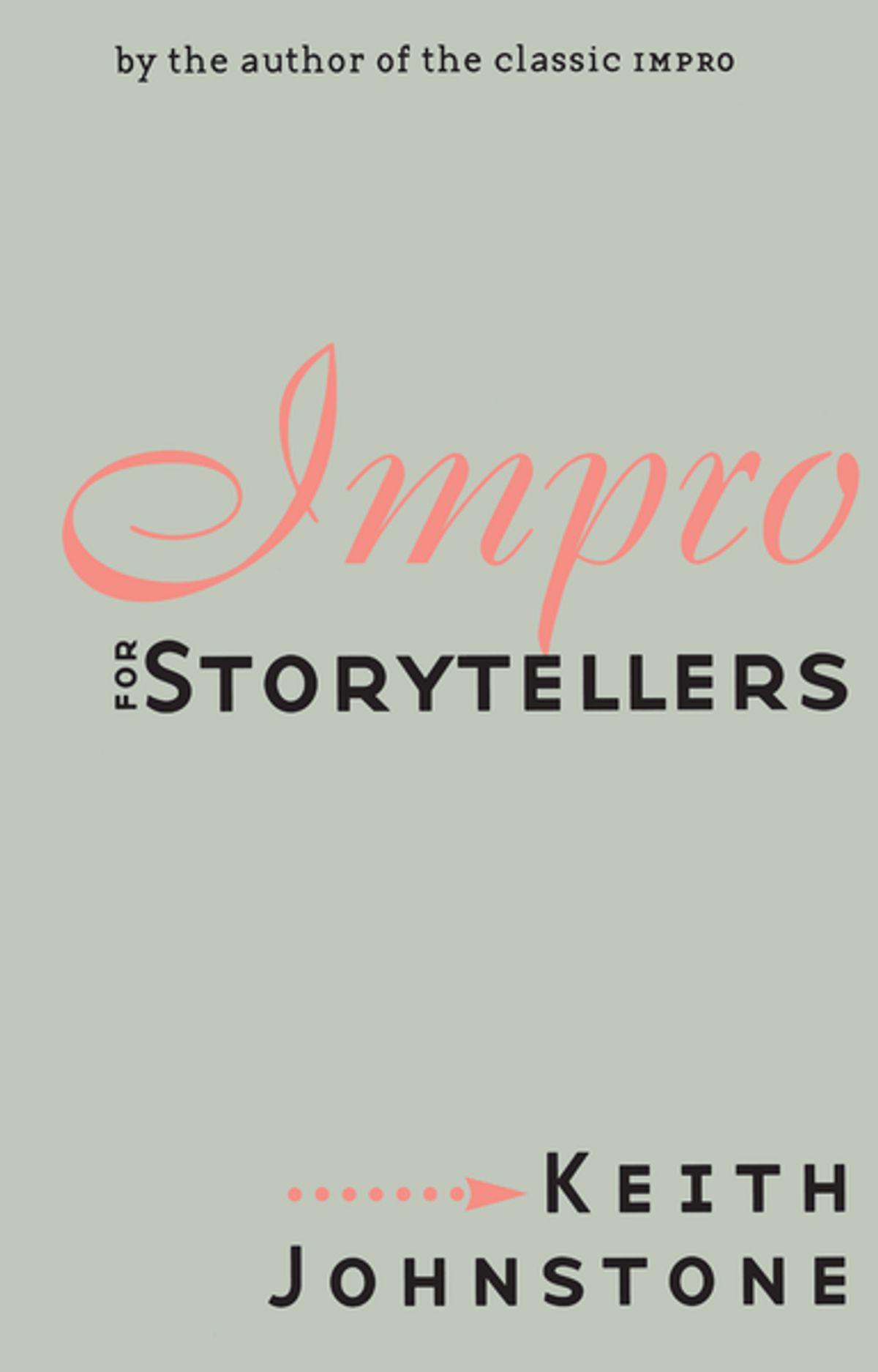
Impro for Storytellers
Keith Johnstone
Theater Games for Rehearsal
Viola Spolin
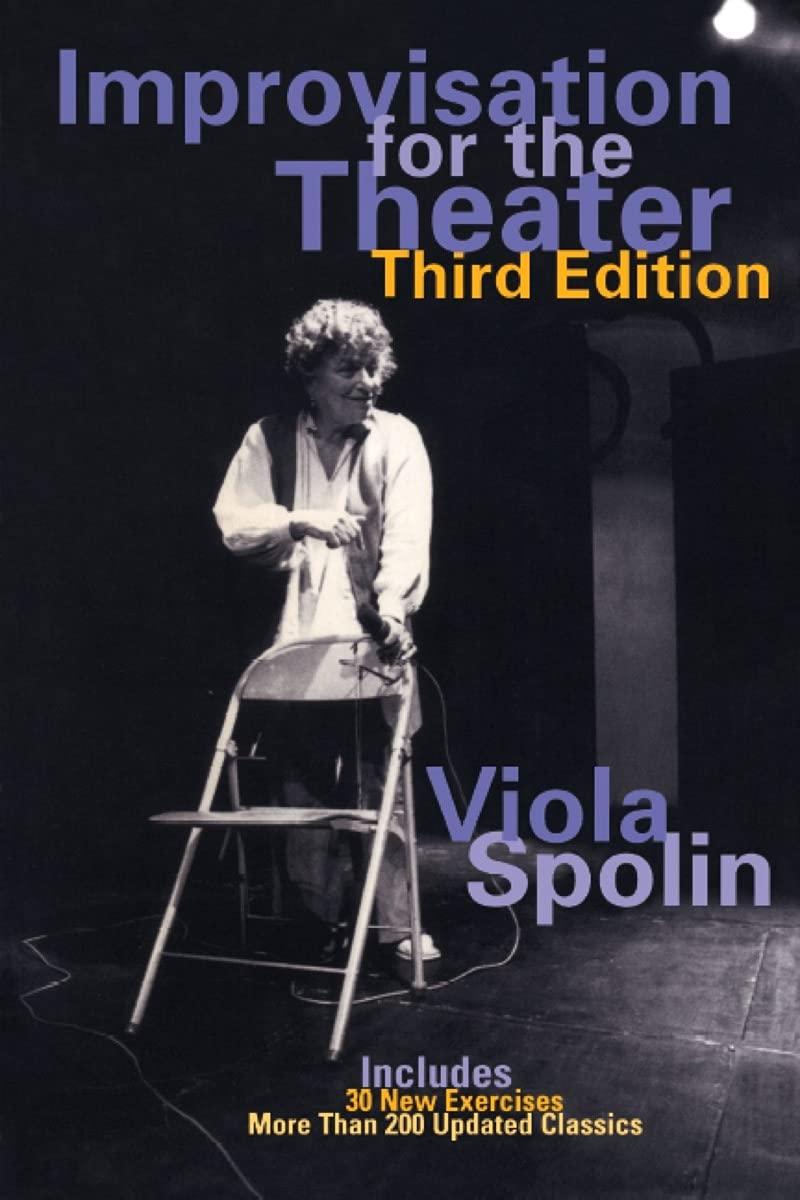
Improvisation for the Theater
A Handbook of Teaching and Directing Techniques
Viola Spolin

Improvising Real Life
Personal Story in Playback Theatre
Jo Salas
Related Exercises
The Lineage
Explore the schools and structures that influenced or evolved from Sportscaster Olympics.
Improv to Improve Your Leadership Team (Campbell)
How to Reference This Page
The Improv Archive. (2026). Sportscaster Olympics. Retrieved September 28, 2026, from https://improvarchive.org/exercises/sportscaster-olympics
The Improv Archive. "Sportscaster Olympics." The Improv Archive, 2026. https://improvarchive.org/exercises/sportscaster-olympics.
The Improv Archive. "Sportscaster Olympics." The Improv Archive, 2026, https://improvarchive.org/exercises/sportscaster-olympics. Accessed September 28, 2026.
The Improv Archive is a systemically maintained repository. The archive itself acts as the corporate author.