Thank You Statues is an applied exercise in which participants physically embody a posture of gratitude and then offer a verbal acknowledgment from that position. The exercise combines physical embodiment with explicit appreciation, making the expression of thanks more grounded and less performative.
Structure
Entering the Statue
One participant stands in the center. The facilitator invites them to find a body position that feels like genuine gratitude, not a polite gesture but a physical state of having received something meaningful.
The Offer
From that position, without adjusting posture, the participant offers a specific verbal thanks to someone in the group, naming what they are grateful for.
Transition
The recipient steps into the center, finds their own gratitude statue, and offers thanks to another participant.
Reflection
After all participants have gone, the group briefly discusses what it noticed about the relationship between physical posture and the quality of gratitude expressed.
How to Teach It
Objectives
Thank You Statues draws attention to how the body shapes emotional expression. Participants discover that finding a genuine physical posture changes the content of what they say and how it lands for the receiver.
Facilitation Notes
Give participants time to find their statue before speaking. Rushing produces generic postures and generic thanks. The pause between physical settling and verbal expression is where the authenticity develops.
Common Pitfalls
Participants often smile reflexively and stand tall in a performance of happiness. Invite them to find something more specific, the physical memory of receiving help or recognition, and let the body shape the words.
In Applied Settings
Professional Recognition Programs
Thank You Statues is used in leadership and culture workshops to make gratitude practices more embodied and less rote. When recognition is physically grounded, it becomes more personal and more memorable.
Team Retreats
At the close of an intensive session, the exercise gives teams a structured, somatic way to mark the experience and acknowledge specific contributions before dispersing.
Emotional Intelligence Training
Facilitators use the exercise to demonstrate the body-emotion connection, illustrating how physical state primes expressive content.
Worth Reading
See all books →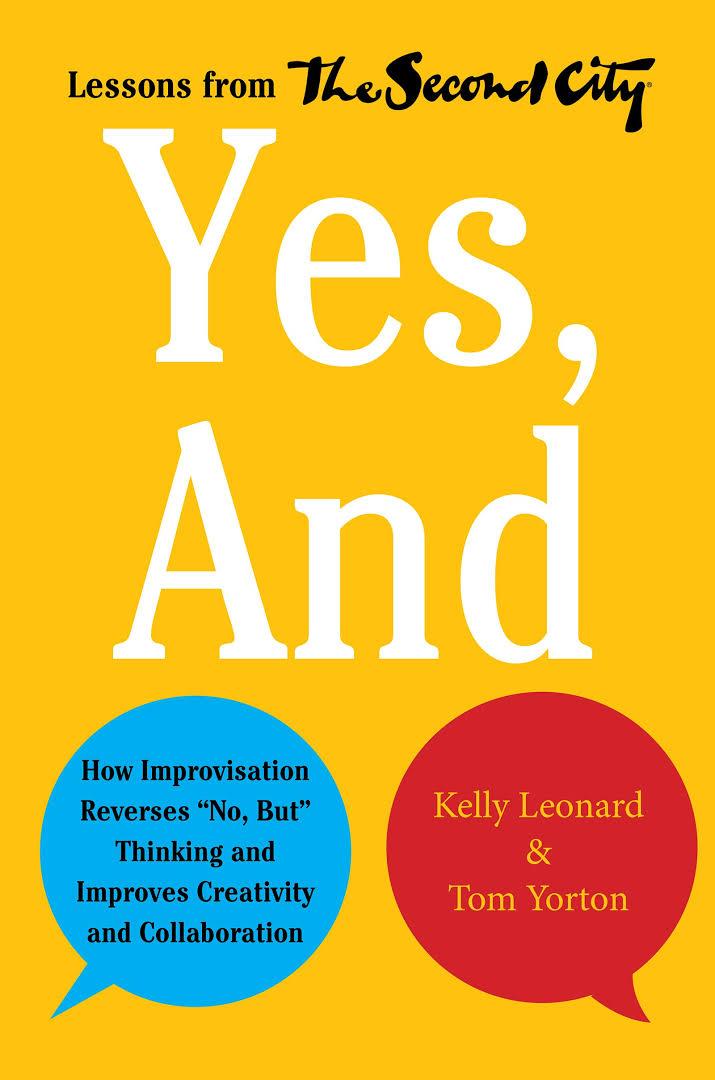
Yes, And
How Improvisation Reverses No, But Thinking and Improves Creativity and Collaboration
Kelly Leonard; Tom Yorton

Embodied Playwriting
Improv and Acting Exercises for Writing
Hillary Haft Bucs; Charissa Menefee

Theatrical Improvisation, Consciousness, and Cognition
Clayton D. Drinko

The Applied Improvisation Mindset
Tools for Transforming Individuals, Organizations, and Communities
Theresa Robbins Dudeck; Caitlin McClure

Semiotics and Pragmatics of Stage Improvisation
Domenico Pietropaolo; Paul Bouissac
The Improvisation Game
Discovering the Secrets of Spontaneous Performance
Chris Johnston
Related Exercises
Thank You
Thank You is an applied exercise in which participants practice expressing genuine gratitude to one another in a structured group setting. The exercise builds appreciation habits, strengthens interpersonal connection, and creates psychological safety through the ritual acknowledgment of positive contributions.
Gratitude
Gratitude exercises are structured activities for expressing and receiving appreciation in group settings, drawn from applied improvisation practice. The exercises use improv principles -- specificity, presence, and full acknowledgment of another person -- to make gratitude concrete rather than perfunctory. Participants practice directing genuine, specific appreciation toward named individuals and receiving that appreciation without deflecting or minimizing it. The exercises build positive culture, strengthen interpersonal bonds, and establish relational norms that support collaborative work.
The Gift
The Gift is an applied exercise in which participants practice offering and receiving acknowledgment framed as a tangible present. One person names a specific quality or contribution they see in a partner and mimes handing it to them as a physical gift. The exercise embodies appreciation and trains both the giving of specific recognition and the graceful receiving of it.
I’m Great, You’re Great, We’re Great
I'm Great, You're Great, We're Great is an energizing group affirmation exercise in which participants affirm themselves, their partners, and the ensemble as a whole through eye contact, physical commitment, and full-voiced declaration. The exercise generates collective momentum and group warmth rapidly, and it trains performers to inhabit positive energy physically rather than performing positivity from a detached or self-conscious position.
Leading with Body Parts
Leading with Body Parts is a physical character and presence exercise in which participants walk through the space leading with a designated body part -- the nose, the chin, the chest, the knee, the pelvis -- and observe how leading with each part generates a distinct physical character, quality of movement, and emotional tone. The exercise demonstrates that character lives in the body, and that specific physical choices produce specific psychological and emotional realities.
Positive Chair Exercise
Positive Chair Exercise is a supportive exercise in which each player sits in a designated chair while the rest of the group offers genuine compliments, affirmations, and positive observations about them. The exercise builds ensemble trust, reinforces a culture of support, and gives performers practice receiving praise without deflection.
The Lineage
Explore the schools and structures that influenced or evolved from Thank You Statues.
Yes, And (Kelly Leonard & Tom Yorton)
How to Reference This Page
The Improv Archive. (2026). Thank You Statues. Retrieved September 29, 2026, from https://improvarchive.org/exercises/thank-you-statues
The Improv Archive. "Thank You Statues." The Improv Archive, 2026. https://improvarchive.org/exercises/thank-you-statues.
The Improv Archive. "Thank You Statues." The Improv Archive, 2026, https://improvarchive.org/exercises/thank-you-statues. Accessed September 29, 2026.
The Improv Archive is a systemically maintained repository. The archive itself acts as the corporate author.