What Has Changed
What Has Changed is an observation exercise in which partners face each other, study each other carefully, then turn away while one partner makes a subtle change to their appearance. When both turn back, the observer must identify what is different. The exercise sharpens visual attention to detail and the habit of specific, active observation of scene partners.
Structure
Setup
Participants stand in two lines facing each other, partners across from one another with enough space to observe clearly.
Exercise
Boal describes the exercise as follows: actors in two lines face each other and observe their partner carefully. On the facilitator's signal, all actors turn their backs simultaneously. Each actor makes one subtle change to their appearance: shifting a piece of clothing, altering their posture, changing the position of a hand, adjusting hair or accessories. On the second signal, all actors turn back to face their partner.
Observers must identify what their partner has changed. The exercise is then repeated with the other partner making a change.
Variation
The exercise can be run with multiple changes per round, increasing difficulty. Levy uses the exercise as a memorization drill, asking students to notice what their partner looked like to begin with before attempting to identify changes.
How to Teach It
How to Explain It
"Study your partner. Take a long look. Now turn away. Your partner changes three things about their appearance, something subtle. Turn back. Find what changed. Look carefully. You have thirty seconds."
Objectives
What Has Changed develops specific, active visual observation of other people. The exercise trains performers to see their partners as they actually are, rather than as they expect them to be, a skill that directly underlies the ability to notice and respond to what a scene partner actually offers rather than what the performer anticipated. Performers who are genuinely looking at their partners respond more specifically to them.
Levy on Memorization
Levy frames the exercise as a memorization drill, noting that "observation forces them to pay attention to detail" and that noticing what has changed requires remembering what the partner looked like to begin with. The exercise thus trains two skills simultaneously: active initial observation and reliable recall. Both translate to scene work: a performer who observes their partner specifically and remembers what was established earlier in the scene is doing more sophisticated ensemble work than one who observes generally.
Increasing Difficulty
Begin with obvious changes before progressing to subtle ones. The progression from large to small changes calibrates the exercise's difficulty and gives participants a sense of growing observational precision over the session.
History
Augusto Boal documents "What Has Changed" as a specific exercise in Games for Actors and Non-Actors (1992), describing two lines of actors who observe each other, turn their backs, change one detail of appearance, then turn back for the observer to identify the change. The exercise belongs to Boal's arsenal of sensory and observational games developed for Theatre of the Oppressed training.
Brian Levy documents a version of the same exercise in 112 Acting Games (2005), framing it specifically as a memorization drill: students must first remember their partner's full appearance before they can identify what has changed.
Worth Reading
See all books →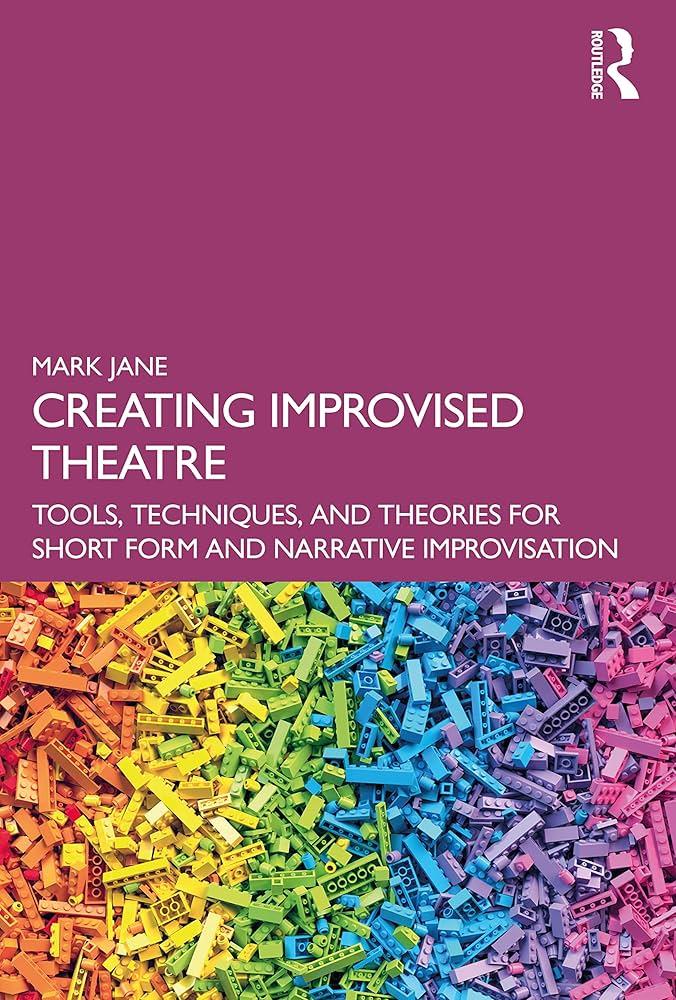
Creating Improvised Theatre
Tools, Techniques, and Theories
Mark Jane
Theater Games for Rehearsal
Viola Spolin
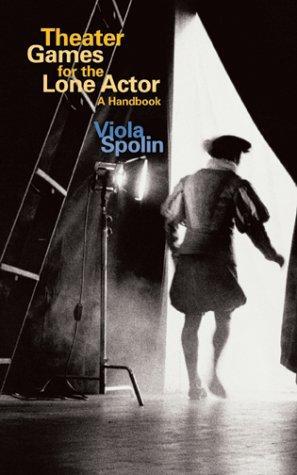
Theater Games for the Lone Actor
Viola Spolin
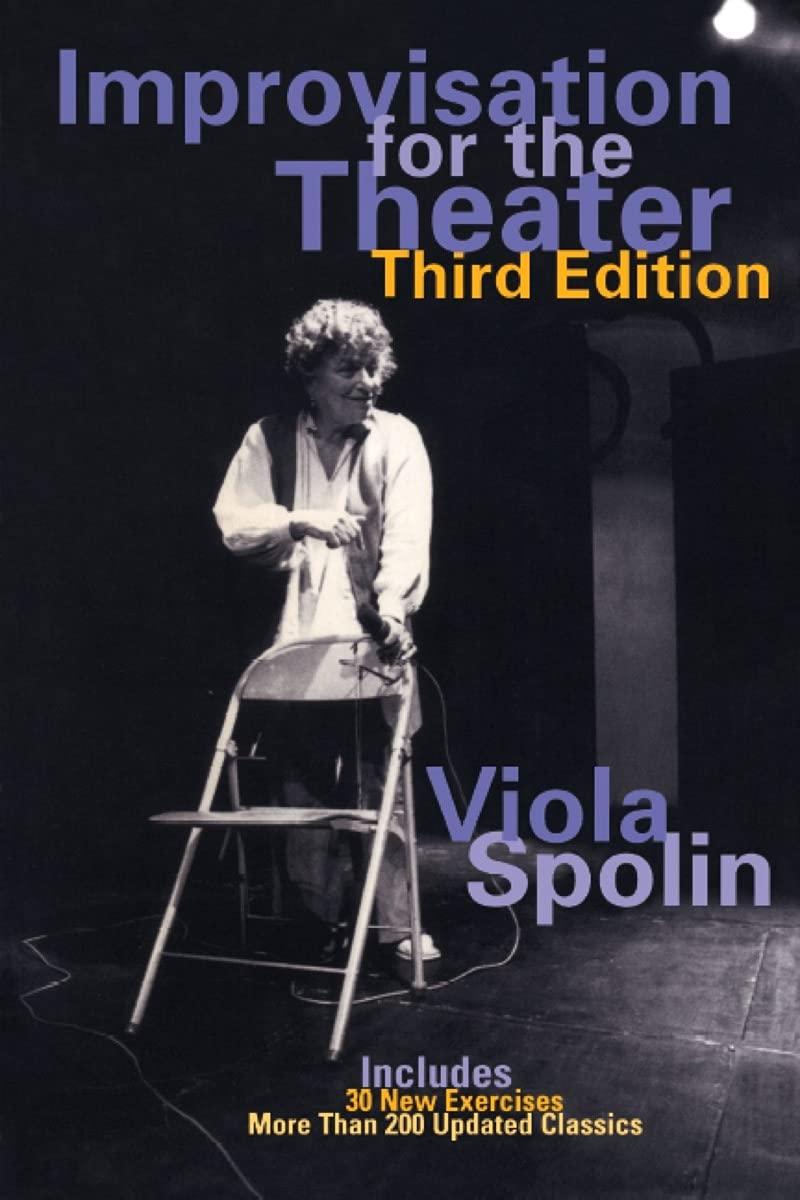
Improvisation for the Theater
A Handbook of Teaching and Directing Techniques
Viola Spolin
112 Acting Games
Gavin Levy

Mask Improvisation for Actor Training and Performance
the compelling image
Sears A. Eldredge
Related Exercises
Three Changes
Three Changes is an observation exercise in which partners face each other, study their appearance, turn away, and each make three small changes. They then turn back and attempt to identify what the other altered. The exercise sharpens observational detail and teaches performers to notice the subtle specifics that bring characters and environments to life.
Observe
Observe is an applied improvisation exercise in which participants practice deliberate, sustained observation of their environment, other people, or a group dynamic without intervening, interpreting, or acting. The exercise trains the foundational skill of seeing clearly before responding -- a capacity that underpins effective leadership, facilitation, and collaborative work.
Status Scene With Partners
Status Scene with Partners is a two-person status exercise in which volunteers perform a scene with assigned high and low status roles, then replay the scene with their roles reversed, exploring how status reversal changes the dynamic, power balance, and emotional texture of the same situation.
Portrait
Portrait is an applied improvisation exercise from The Applied Improvisation Mindset in which one participant poses while others describe what they observe. The exercise develops skills of attention, descriptive precision, and the ability to notice details without projecting assumptions onto another person.
Night Watch
Night Watch is an applied improvisation exercise in which participants practice sustained, deliberate observation of a space, a group, or a situation over an extended period, developing the capacity to notice subtle changes, emerging patterns, and details that others overlook. The exercise cultivates the quiet, steady attentiveness that underpins effective leadership, facilitation, and situational awareness.
Mirror
Mirror is a foundational partner exercise in which one player moves and the other copies with as much precision as possible. The basic challenge is simple to see and simple to feel: both players must stay connected closely enough that the movement reads as one shared action instead of one person chasing the other. Across published training material, Mirror is used to build concentration, body awareness, responsiveness, and nonverbal listening.
How to Reference This Page
The Improv Archive. (2026). What Has Changed. Retrieved October 14, 2026, from https://improvarchive.org/exercises/what-has-changed
The Improv Archive. "What Has Changed." The Improv Archive, 2026. https://improvarchive.org/exercises/what-has-changed.
The Improv Archive. "What Has Changed." The Improv Archive, 2026, https://improvarchive.org/exercises/what-has-changed. Accessed October 14, 2026.
The Improv Archive is a systemically maintained repository. The archive itself acts as the corporate author.