Three Changes
Three Changes is an observation exercise in which partners face each other, study their appearance, turn away, and each make three small changes. They then turn back and attempt to identify what the other altered. The exercise sharpens observational detail and teaches performers to notice the subtle specifics that bring characters and environments to life.
Worth Reading
See all books →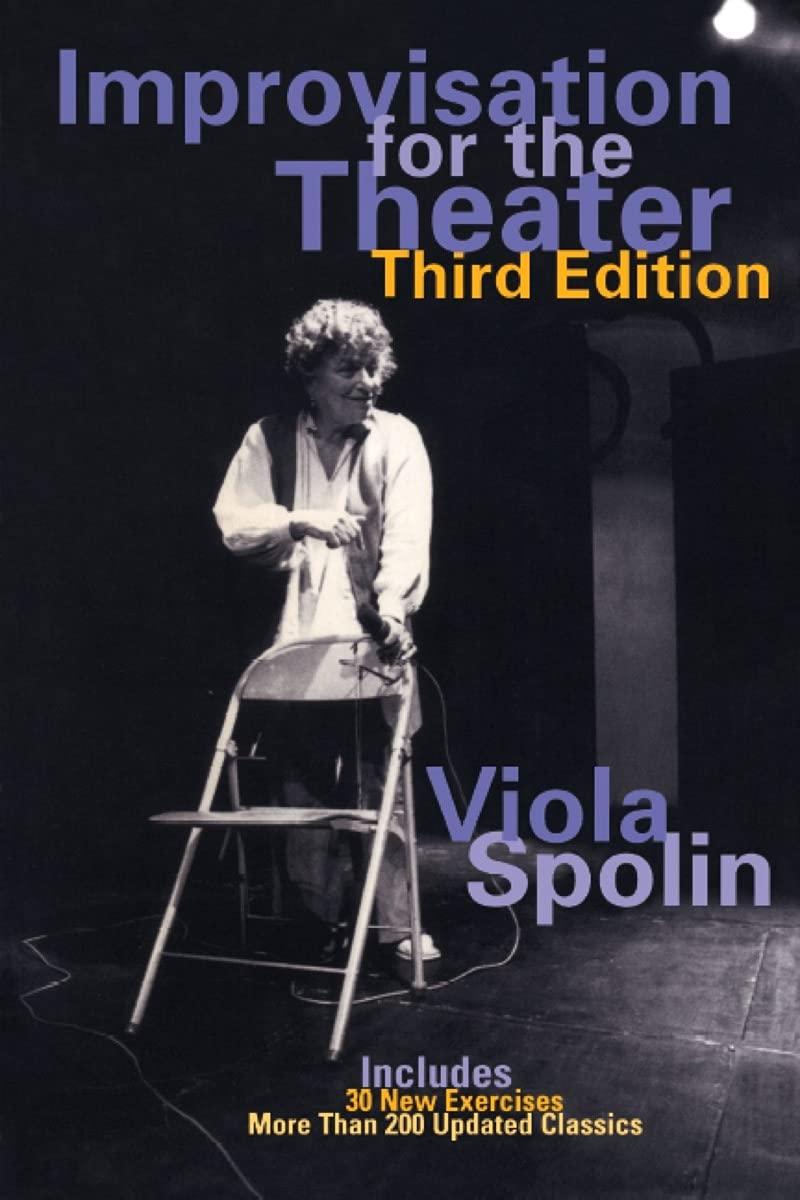
Improvisation for the Theater
A Handbook of Teaching and Directing Techniques
Viola Spolin
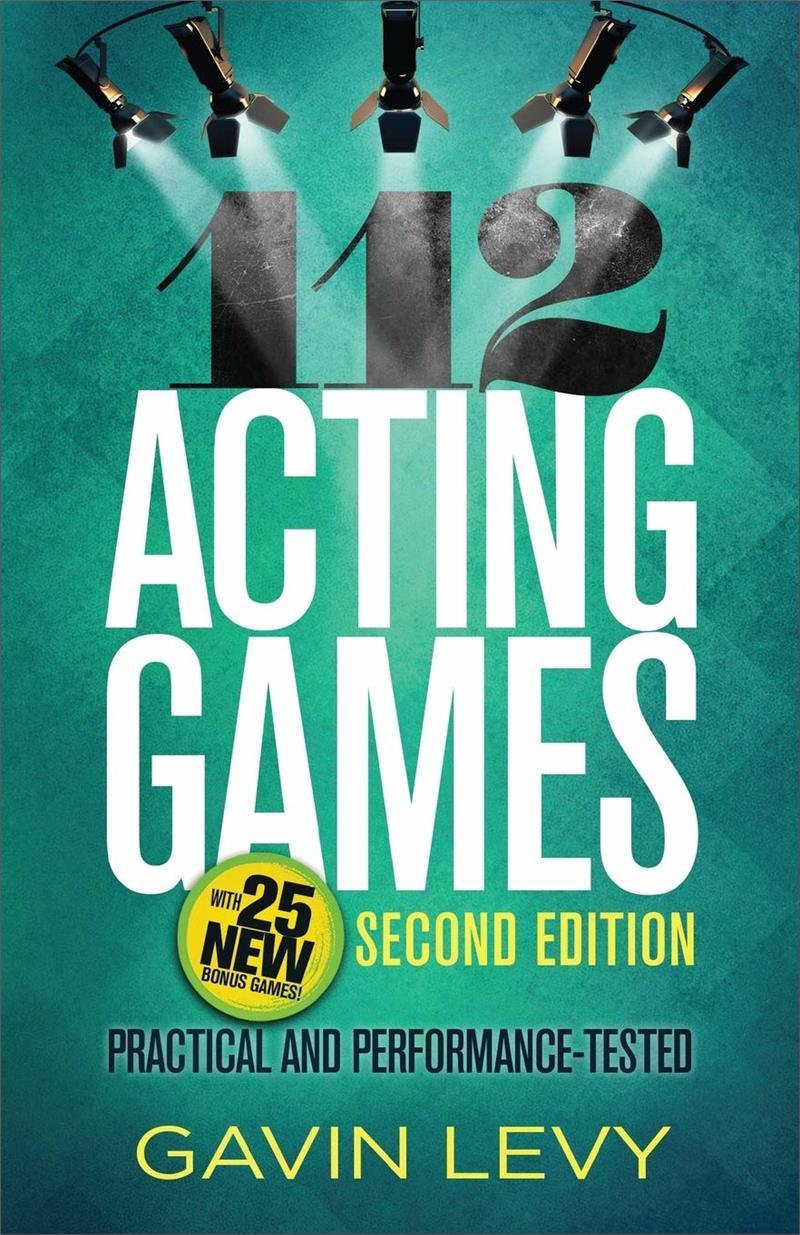
112 Acting Games
Gavin Levy
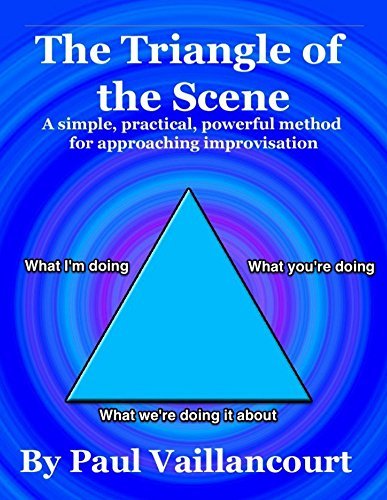
The Triangle of the Scene
A Simple, Practical, Powerful Method for Approaching Improvisation
Paul Vaillancourt

Theatrical Improvisation
Short Form, Long Form, and Sketch-Based Improv
Jeanne Leep

Business Improv
Experiential Learning Exercises to Train Employees
Val Gee

Improvisation
Use What You Know, Make Up What You Don't
Brad Newton
Related Exercises
What Has Changed
What Has Changed is an observation exercise in which partners face each other, study each other carefully, then turn away while one partner makes a subtle change to their appearance. When both turn back, the observer must identify what is different. The exercise sharpens visual attention to detail and the habit of specific, active observation of scene partners.
Observe
Observe is an applied improvisation exercise in which participants practice deliberate, sustained observation of their environment, other people, or a group dynamic without intervening, interpreting, or acting. The exercise trains the foundational skill of seeing clearly before responding -- a capacity that underpins effective leadership, facilitation, and collaborative work.
Three in a Circle
Three in a Circle is a focus exercise in which three players stand in a circle and must simultaneously track multiple tasks such as counting, passing gestures, and maintaining eye contact patterns. The overlapping demands train split attention and the ability to process multiple inputs, skills essential to ensemble performance.
Pivot
Pivot is a scene exercise in which performers identify the moment when a scene needs to shift direction and make a deliberate choice to change it. The facilitator may call "Pivot" to signal the moment, or players practice identifying pivot points themselves. The exercise develops editorial awareness and trains the skill of knowing when a scene needs to evolve rather than repeat.
Managing Change
Managing Change is an applied improv exercise that uses structured improvisation to help participants navigate and practice the psychological and behavioral responses to unexpected change in organizational contexts. The exercise creates controlled conditions of disruption and adaptation, training the specific skills of remaining present, communicating openly, and collaborating effectively when plans, expectations, or structures are suddenly altered.
Change
Change is a short-form game in which a caller says "change" at any point during a scene, forcing the last speaker to replace their most recent line with a new one. Repeated calls on the same line demand increasingly creative alternatives. The game trains verbal agility and the ability to generate multiple options for any moment.
The Lineage
Explore the schools and structures that influenced or evolved from Three Changes.
112 Acting Games (Levy)
How to Reference This Page
The Improv Archive. (2026). Three Changes. Retrieved October 14, 2026, from https://improvarchive.org/exercises/three-changes
The Improv Archive. "Three Changes." The Improv Archive, 2026. https://improvarchive.org/exercises/three-changes.
The Improv Archive. "Three Changes." The Improv Archive, 2026, https://improvarchive.org/exercises/three-changes. Accessed October 14, 2026.
The Improv Archive is a systemically maintained repository. The archive itself acts as the corporate author.