Zoom-in Zoom-Out
Zoom In Zoom Out is an ensemble narrative exercise in which the perspective of a shared story shifts between extreme close-up and wide panoramic view at the facilitator's call. The exercise develops performers' ability to move fluidly between intimate detail and broad context within a single narrative.
Structure
The Narrative
The group collectively builds a story. One performer begins narrating or one scene is in progress.
Zoom In
When the facilitator calls "Zoom in," the narrative focuses on a single highly specific detail: a drop of sweat on a brow, the texture of a handshake, the precise color of a coat.
Zoom Out
When the facilitator calls "Zoom out," the perspective expands: the building, the neighborhood, the country, the era in which this story takes place.
Fluid Transitions
Advanced groups respond to zoom calls without hesitation, keeping the story coherent across radical shifts in perspective.
Debrief
Participants discuss how different scales of perspective reveal different things about the same story.
How to Teach It
Objectives
Zoom In Zoom Out develops narrative control and the ability to move between registers. Performers who can only work in one scale produce stories that feel either too abstract or too claustrophobic.
The Detail in Close-Up
Zoom In demands genuine specificity. Performers who offer generic details ("a nervous look," "the busy street") are not actually zooming in. Train performers to arrive at particular, unexpected details: the chip in a coffee mug, a name written in pencil on the inside of a collar.
Context in Wide Shot
Zoom Out should reveal something that recontextualizes what came before. A small intimate scene that zooms out to reveal a war zone carries different meaning than the same scene zooming out to a suburban backyard.
How to Explain It
"Your story has a zoom lens. On 'zoom in': go as specific and detailed as possible. On 'zoom out': go as wide as you can. The story stays continuous through every shift."
Common Pitfalls
Performers resist true zoom outs because wide perspective feels disconnected from the human story. Help them understand that context is not abandonment. The wide view enriches the close view by placing it in a larger world.
Worth Reading
See all books →
Playing Along
37 Group Learning Activities Borrowed from Improvisational Theater
Izzy Gesell

Drama Games and Improvs
Games for the Classroom and Beyond
Justine Jones; Mary Ann Kelley
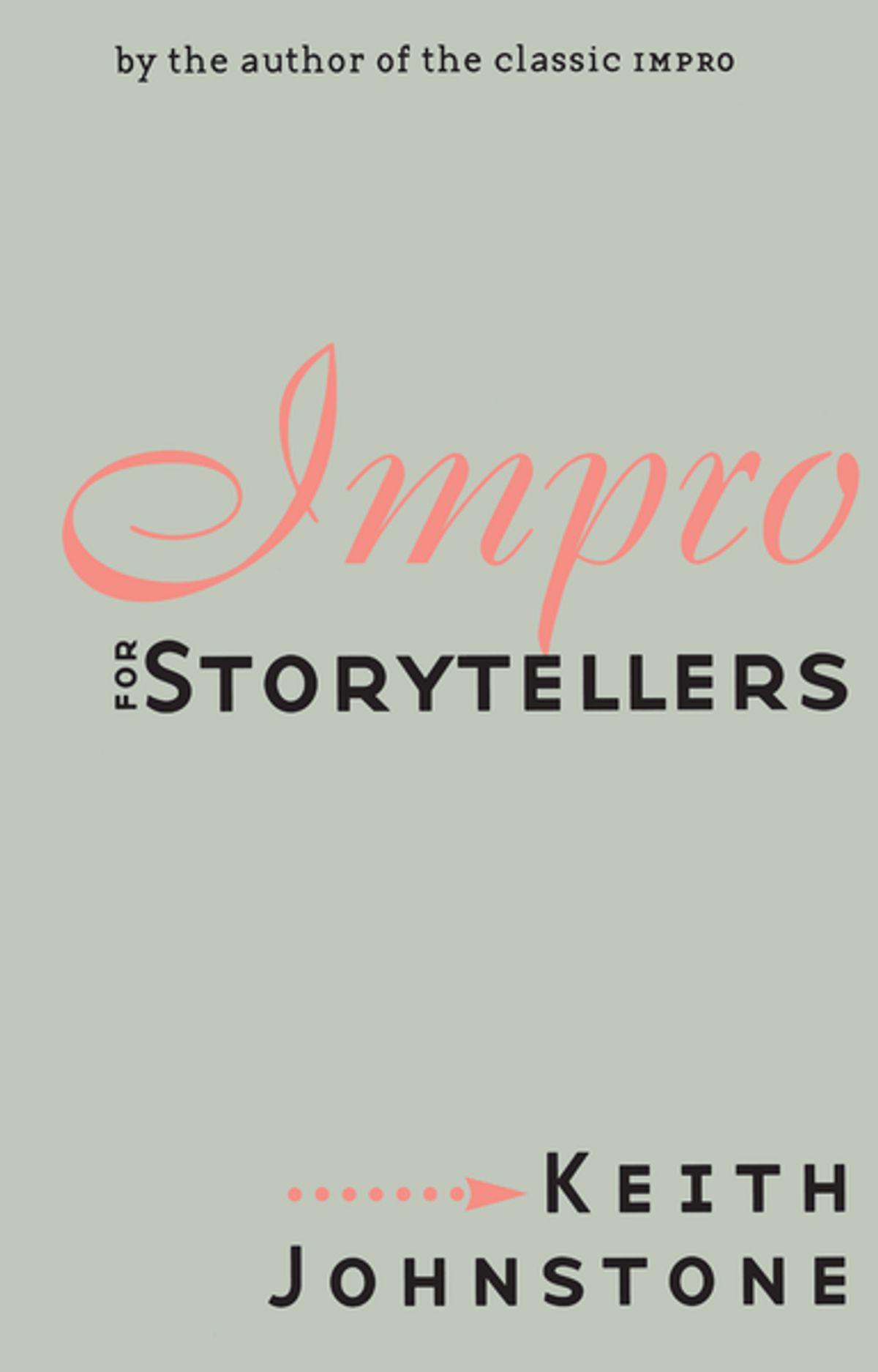
Impro for Storytellers
Keith Johnstone

Improvising Real Life
Personal Story in Playback Theatre
Jo Salas
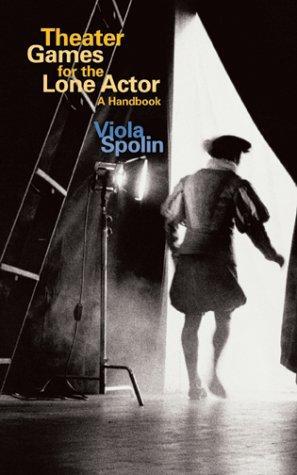
Theater Games for the Lone Actor
Viola Spolin

How to Improvise a Full-Length Play
The Art of Spontaneous Theater
Kenn Adams
Related Exercises
Story String
Story String is a collaborative storytelling exercise in which each performer adds a sentence or beat to a shared narrative, building a continuous story that passes through the entire group. The exercise develops listening, narrative awareness, and the ability to advance rather than redirect a story.
Story Circles
Story Circles is a collaborative storytelling exercise in which small groups sit in circles and build stories together, with each person contributing a segment before passing to the next. The exercise develops listening, narrative awareness, and the ability to build on others' contributions.
Share Your Story
Share Your Story is an applied improvisation exercise in which participants practice crafting and delivering compelling personal narratives using improvisational storytelling techniques. The exercise develops the ability to structure real experiences into engaging stories that connect with listeners.
Picture Story
Picture Story is an applied improvisation exercise in which participants create and share stories inspired by images. Players receive a photograph, illustration, or abstract image and must construct a narrative from what they see, developing the ability to find story in unexpected places and communicate ideas through vivid description.
Portrait
Portrait is an applied improvisation exercise from The Applied Improvisation Mindset in which one participant poses while others describe what they observe. The exercise develops skills of attention, descriptive precision, and the ability to notice details without projecting assumptions onto another person.
Group Scene Point of View
Group Scene Point of View is a scene exercise in which a large group performs a single scene, with each player contributing from a consistent character perspective. Rather than multiple characters pursuing separate agendas, all participants inhabit roles within the same shared reality and must maintain their individual points of view while serving the scene collectively. The exercise develops the ability to hold a consistent character perspective across a complex group environment.
How to Reference This Page
The Improv Archive. (2026). Zoom-in Zoom-Out. Retrieved October 15, 2026, from https://improvarchive.org/exercises/zoom-in-zoom-out
The Improv Archive. "Zoom-in Zoom-Out." The Improv Archive, 2026. https://improvarchive.org/exercises/zoom-in-zoom-out.
The Improv Archive. "Zoom-in Zoom-Out." The Improv Archive, 2026, https://improvarchive.org/exercises/zoom-in-zoom-out. Accessed October 15, 2026.
The Improv Archive is a systemically maintained repository. The archive itself acts as the corporate author.