Standard Musical
Standard Musical is a long-form format in which the ensemble improvises a complete musical in the style of traditional Broadway theatre, with a coherent plot, developed characters, solo numbers, duets, ensemble pieces, and a satisfying narrative arc, all created spontaneously.
Structure
Setup
The host takes a suggestion from the audience, typically a title, a theme, or a single word that will inspire the musical. A musician or musical director accompanies the performers, providing underscoring and song accompaniment throughout. The ensemble may briefly discuss the suggestion to establish a general direction, or they may begin with no planning.
Act One
The musical opens with an establishing number that introduces the world, the characters, and the central situation. Following Broadway convention, early scenes introduce the protagonist, establish their desire or problem, and set the story in motion.
Scenes alternate with songs. Characters break into song at moments of heightened emotion, exactly as in a scripted musical. Solo numbers reveal inner thoughts and feelings. Duets explore relationships. Group numbers establish community and context.
Musical Structure
The songs follow recognizable musical theatre forms. An "I Want" song establishes the protagonist's desire. A love duet develops the central relationship. A villain's number reveals the antagonist's plan. A comic number provides relief. An eleven o'clock number delivers the emotional climax. Each song type serves a narrative function familiar to musical theatre audiences.
Act Two
Complications, reversals, and rising stakes drive the second half. Relationships are tested. Plans fail. The central conflict reaches its peak. A climactic scene resolves the story, and a finale brings the cast together for a closing number that ties the themes together.
Reprise and Callback
The strongest improvised musicals incorporate reprises of earlier songs with modified lyrics that reflect character growth. Musical themes established in act one return in act two with new emotional weight. These callbacks create the satisfying structural cohesion that distinguishes a complete musical from a series of unrelated songs.
How to Teach It
Objectives
Standard Musical develops the full range of musical improv skills: song creation, narrative construction, character development, ensemble coordination, and genre awareness. It is the most demanding of the musical improv formats and requires performers with strong skills in both scene work and singing.
How to Explain It
"We are improvising a complete musical. It has a story. It has characters. It has songs that advance the plot. Think Broadway. Think Disney. We make the whole thing up. The audience gives us a title and we give them a show."
Scaffolding
Performers should have extensive experience with both long-form scene work and musical improv before attempting a Standard Musical. Begin by practicing individual components: improvised songs in various musical theatre styles, scene-to-song transitions, and reprise technique. Assemble these components into short musical sequences before attempting a full show.
Common Pitfalls
The most common issue is a musical that becomes a loose collection of scenes and songs without a coherent story. Strong opening choices and clear character relationships help anchor the narrative. Another pitfall is too many characters, which diffuses the audience's emotional investment. The strongest improvised musicals focus on a small number of central characters with clear desires.
How to Perform It
Musical Director Relationship
The musical director is the format's backbone. They must read the emotional arc of scenes, anticipate when a character is about to sing, and provide appropriate musical accompaniment instantly. The relationship between performers and musical director requires extensive rehearsal and trust.
Song Initiation
Knowing when to break into song is one of the format's greatest challenges. The transition from scene to song should feel motivated by emotional pressure, not by a sense that it has been too long since the last number. Performers should feel the moment building and step into song when the dialogue can no longer contain the emotion.
Narrative Discipline
The format requires performers to maintain narrative focus across the full length of a show. Individual scenes and songs must serve the larger story. Performers who pursue tangential ideas at the expense of the central narrative risk derailing the musical's coherence.
History
The improvised musical emerged as a distinct format in the 1990s and early 2000s, building on the musical improv traditions developed at theatres like iO Chicago and the Upright Citizens Brigade. Troupes such as Baby Wants Candy, which formed in Chicago in 1999, demonstrated that full-length improvised musicals could sustain audience engagement for an entire show. The format drew on both the long-form improvisation tradition and the structural conventions of Broadway musical theatre.
Worth Reading
See all books →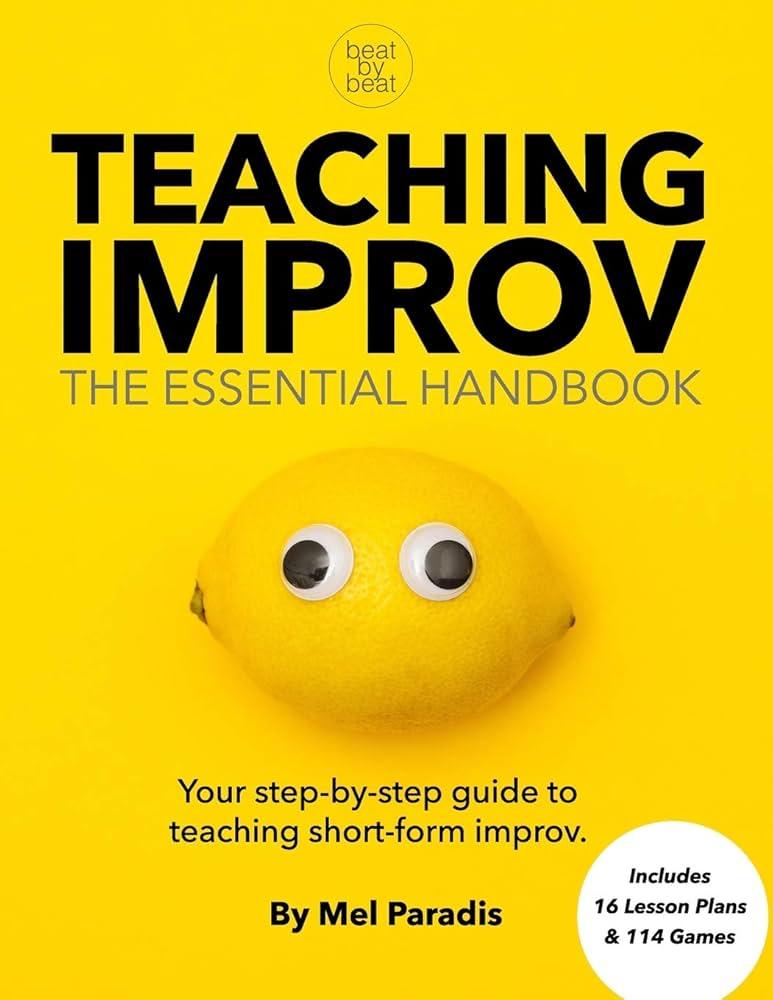
Teaching Improv
The Essential Handbook
Mel Paradis

Truth in Comedy
The Manual of Improvisation
Charna Halpern; Del Close; Kim Howard Johnson
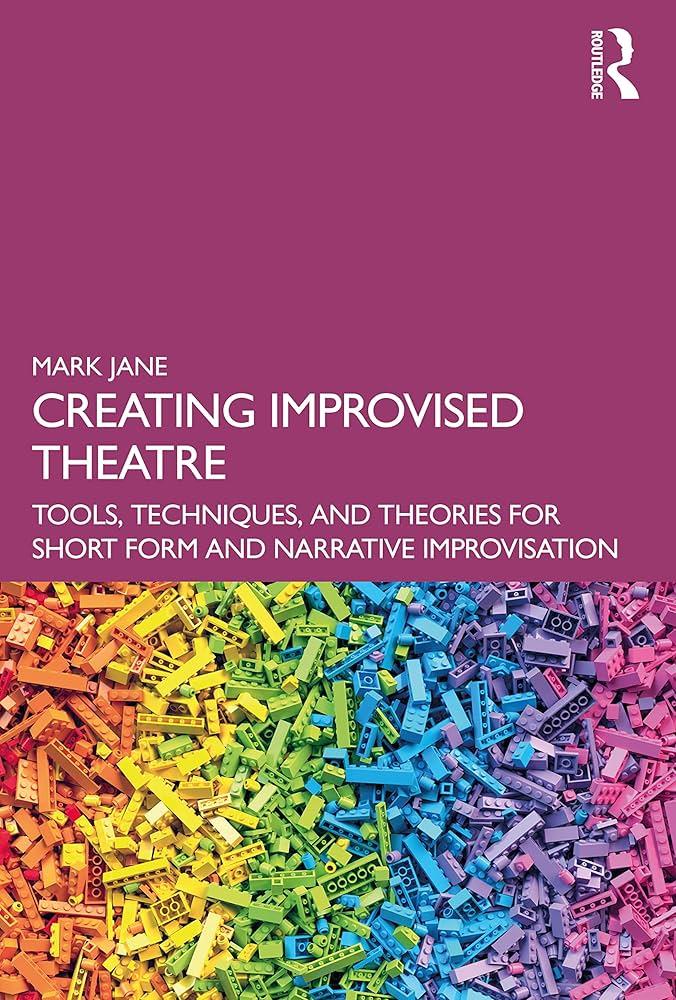
Creating Improvised Theatre
Tools, Techniques, and Theories
Mark Jane

The Upright Citizens Brigade Comedy Improvisation Manual
Matt Besser; Ian Roberts; Matt Walsh

Long Form Improvisation and American Comedy
The Harold
Matt Fotis

How to Improvise a Full-Length Play
The Art of Spontaneous Theater
Kenn Adams
Related Formats
Postmodern Musical
Postmodern Musical is a long-form musical format that deconstructs traditional musical theatre conventions. Rather than following a linear narrative with songs that express character emotions, the format fragments the structure, plays with theatrical tropes self-consciously, and invites the audience to watch the machinery of musicals being assembled and disassembled in real time.
Montage
Montage is a long-form improvised format in which performers present a series of thematically connected scenes inspired by a single audience suggestion. Scenes are linked by shared ideas, recurring motifs, emotional resonances, or occasional character callbacks rather than a continuous plot. The format's strength is its flexibility: any scene can follow any scene as long as the thematic connection holds. Montage is one of the foundational structures in Chicago-tradition long-form improvisation and is among the most widely performed long-form formats worldwide.
Lotus
Lotus is a long-form improvised format in which scenes unfold like the petals of a lotus flower, with each new scene emerging from and connecting to the one before it in an expanding, organic pattern. The format begins with a single scene at the center and grows outward through associative connections: a detail, image, theme, or character from one scene inspires the next. The structure rewards associative thinking, thematic sensitivity, and the ensemble's ability to track and develop interconnections across an expanding web of scenes. The format produces shows with a meditative, interconnected quality distinct from the linear progression of narrative formats.
Feature Film
Feature Film is a long-form improvised format in which the ensemble creates a complete movie onstage, including opening credits, multiple acts, subplot development, and a climactic resolution. The format demands sustained narrative commitment, genre awareness, and ensemble coordination over an extended performance, often running sixty to ninety minutes. Performers draw on cinematic conventions (establishing shots, montages, flashbacks, score changes) translated into theatrical terms. Feature Film rewards structural thinking, the ability to track multiple storylines simultaneously, and the discipline to build toward a satisfying ending.
Deconstruction
The Deconstruction is a long-form improv format that takes a single opening scene and systematically revisits its elements from different angles, time periods, perspectives, or contexts. Each subsequent scene deconstructs an aspect of the original, exploring a character's backstory, a theme's implications, or a relationship's origin. The format demands structural thinking, the ability to identify multiple entry points within a single premise, and the ensemble skill of building an interconnected web of scenes that deepen the audience's understanding of the original material. The Deconstruction rewards analytical improvisers who can identify the richest elements of a scene and expand them into full explorations.
How to Reference This Page
The Improv Archive. (2026). Standard Musical. Retrieved September 29, 2026, from https://improvarchive.org/formats/standard-musical
The Improv Archive. "Standard Musical." The Improv Archive, 2026. https://improvarchive.org/formats/standard-musical.
The Improv Archive. "Standard Musical." The Improv Archive, 2026, https://improvarchive.org/formats/standard-musical. Accessed September 29, 2026.
The Improv Archive is a systemically maintained repository. The archive itself acts as the corporate author.