Arms
Arms is a short-form game in which one player stands behind another, extending their arms through the front player's sleeves to serve as their hands. The front player speaks and reacts while the hidden player's arms create unpredictable physical business. It is one of the most recognized and widely performed short-form games.
Structure
Setup
- One player stands in front, tucking their arms inside their shirt or clasping them behind their back.
- A second player stands directly behind, threading their arms through the front player's sleeves or around their sides to act as their hands.
- Both players commit to the illusion before the scene begins.
The Constraint
- The front player speaks, reacts, and provides all facial expressions.
- The back player controls everything done with the hands: picking up objects, eating, shaking hands, pointing, and any physical business.
- The two performers do not coordinate in advance. The hands must behave as though they belong to the front player.
How the Scene Works
- The audience suggestion typically sets up a situation where hand use is unavoidable: a job interview, a cooking demonstration, a first date, a press conference.
- The comedy arises from the gap between what the front player says and what their hands actually do.
- The back player watches for moments when surprising hand behavior will land most effectively.
- The front player must react honestly to whatever their hands do, selling the illusion and the breakdown of the illusion simultaneously.
Wrap-Up Logic
- The scene runs until the host ends it or a clear button lands.
- Two to four minutes is the natural range. The game has a shelf life: once the initial premise is established, the scene needs escalation to sustain it.
- A strong button often arrives when the hands do something the front player was completely unable to predict or control.
How to Teach It
How to Explain It
"One player will be speaking and reacting to a scene. Their partner's arms do all the physical work : the speaker's own arms are out of action entirely. The two of them are going to have to figure out how to share one body."
Common Notes
- The front player must not try to guide or signal the back player. Reacting honestly to whatever the hands do is the entire game.
- The back player should look for moments of maximum inconvenience. Hands that make everything easy are not interesting. Hands that make everything harder are the game.
- Both players should agree on the physical setup before the scene begins. Sleeves pulled over hands, arms crossed behind the back, or a jacket worn backwards all work.
Common Pitfalls
- The back player becomes passive and only moves hands when directly cued. The game works when the hands have their own agenda.
- The front player breaks focus by looking at their own hands, which dissolves the illusion. Eye contact with the scene partner or audience should be maintained.
- The scene has no situation. Without a scenario that demands hand use, the game has no engine. Make sure the setup involves something physical from the first moment.
How to Perform It
Audience Intro
"In this game, [name] is going to be speaking and reacting in a scene : but [partner]'s arms will be doing all the physical work. [Name]'s own arms are completely unavailable. Let's see how well these two can share one body."
Cast Size
- Ideal: Two performers.
- Variations with a performer hidden behind a curtain exist but the visible two-person arrangement is standard and more theatrically effective.
Staging
- Face the pair toward the audience so both the front player's face and the back player's arms are clearly visible at the same time.
- Avoid diagonal staging that hides the arm mismatch, which is the visual center of the game.
Wrap Logic
- The host should let the scene develop a real situation before the arms create their most extreme moments.
- Once the arms have topped themselves once or twice, the scene is ready for a button.
Worth Reading
See all books →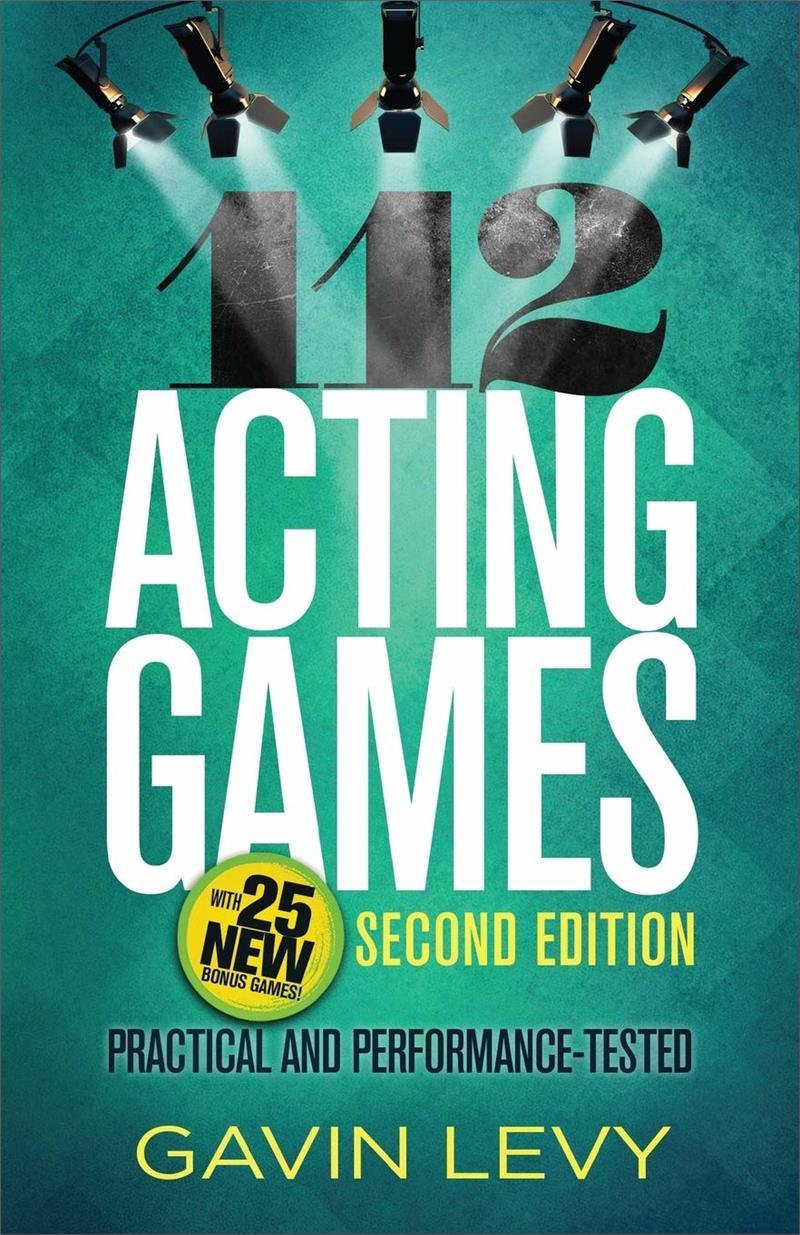
112 Acting Games
Gavin Levy
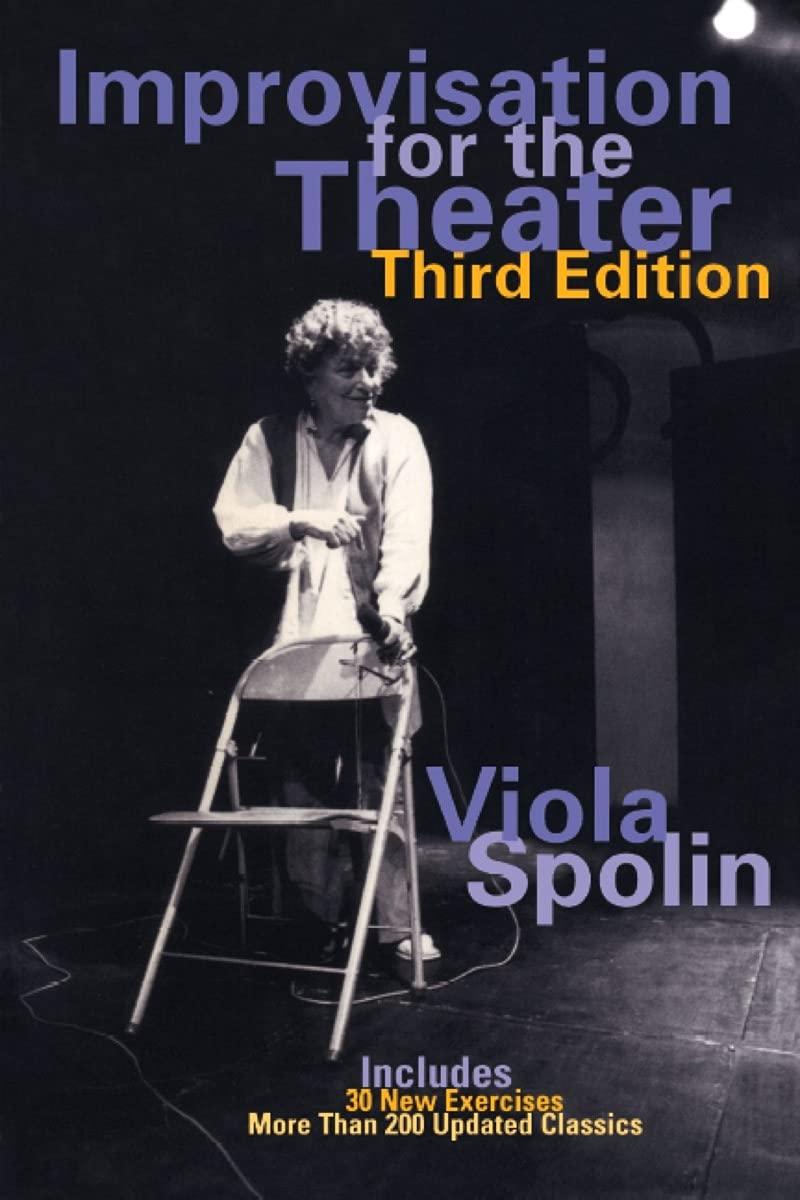
Improvisation for the Theater
A Handbook of Teaching and Directing Techniques
Viola Spolin

Drama Games and Improvs
Games for the Classroom and Beyond
Justine Jones; Mary Ann Kelley
The Improvisation Game
Discovering the Secrets of Spontaneous Performance
Chris Johnston
Theater Games for Rehearsal
Viola Spolin

Acting Through Improv
Improv Through Theatresports
Lynda Belt; Rebecca Stockley
Related Games
Arm Game
Arm Game is a short-form performance game in which one player stands behind another, supplying the arms while the front player provides the voice and head movements. The disconnection between speech and gesture creates physical comedy as the front player must justify whatever the arms do. The game is a staple of short-form shows worldwide.
Hands
Hands is a short-form game in which one player stands behind another and provides their arms, creating the physical mismatch between one performer's body and another's hands. The front performer speaks while the hidden performer's hands create unpredictable gestures and activities. The game is one of the most recognizable and widely performed short-form games.
Helping Hands
Helping Hands is a short-form game in which one performer stands in front of another and extends their arms through the front performer's sleeves or from behind, so that the back performer's hands serve as the front performer's arms. The front performer speaks and reacts while the back performer's hands gesture, handle props, and physically enact whatever the scene requires. The dissonance between speech and gesture -- and the unpredictable behavior of the "helping hands" -- generates the game's comedy.
Poison Arms
Poison Arms is a game in which a performer stands with their arms behind their back while another player reaches through from behind and provides the arms. The front performer speaks and acts while the person behind provides all the gestures, creating physical comedy from the disconnect between intention and execution.
Presents
Presents is a short-form game and warm-up exercise in which players mime giving and receiving wrapped gifts. The recipient opens the imaginary package and enthusiastically identifies what is inside through physical reaction and commitment, while the giver must accept whatever the recipient names. The game trains object work, acceptance, and generous physical commitment to offers.
Pillars
Pillars is a short-form game in which two or more players stand stock-still onstage as human pillars. Scene players perform a two-person scene, and whenever a scene player taps a pillar, that pillar delivers a random line of dialogue. The scene player must immediately accept and incorporate the line into the scene. The unpredictable verbal intrusions test the performer's ability to justify bizarre offers on the spot and maintain scene logic under pressure.
The Lineage
Explore the schools and structures that influenced or evolved from Arms.
Whose Line Is It Anyway?
How to Reference This Page
The Improv Archive. (2026). Arms. Retrieved September 28, 2026, from https://improvarchive.org/games/arms
The Improv Archive. "Arms." The Improv Archive, 2026. https://improvarchive.org/games/arms.
The Improv Archive. "Arms." The Improv Archive, 2026, https://improvarchive.org/games/arms. Accessed September 28, 2026.
The Improv Archive is a systemically maintained repository. The archive itself acts as the corporate author.