Bedtime Story
Bedtime Story is a collaborative storytelling game in which performers narrate and act out a children's story for the audience in real time. One player typically serves as the narrator (often playing a parent putting a child to bed) while the ensemble acts out the story as it unfolds. The innocent format creates natural comedy as adult improvisers navigate the demands of maintaining a child-appropriate narrative while following their creative impulses and each other's offers. The game rewards playful narrative instincts, ensemble coordination, and the ability to balance sweetness with surprise. Bedtime Story works well as both a performance game and a family-friendly show closer.
Structure
The host solicits a suggestion for the story, typically a character, a setting, or a title for the bedtime story. One performer takes on the role of the narrator, who may frame the story as a parent reading or telling a tale to a child (sometimes played by another performer or represented by the audience).
The narrator begins telling the story in the style of a children's book, establishing a protagonist, a setting, and a situation. The remaining performers act out the narrative, embodying the characters and environments the narrator describes. The actors may also add dialogue and actions that the narrator then incorporates into the ongoing story.
The game operates through a collaborative push and pull between the narrator and the actors. The narrator sets up scenarios that the actors bring to life, and the actors make choices that redirect the story in unexpected directions. The narrator must adapt to these offers while maintaining narrative coherence.
The story follows the arc of a classic children's tale: a character with a desire, a series of escalating obstacles or adventures, and a satisfying resolution. The game concludes with a moral, a happy ending, or a whimsical twist, often delivered with the narrator closing an imaginary book.
How to Teach It
How to Explain It
"One of you will be the narrator. Choose a name and a world for the main character. Everyone else, you are whatever the narrator calls into being: animals, witches, magical objects, enchanted landscapes. Narrator, keep the story going. When a character needs to appear, name it and point to someone. They become that character."
Bedtime Story is an effective game for teaching narrative structure because the children's story format provides a simple, universally understood template. Players who struggle with scene structure in open-ended formats often find success within the clear expectations of a bedtime story.
Coach the narrator to establish the story's world quickly: one sentence for the character, one for the setting, one for the desire. Extended preambles lose the audience and the actors.
Coach the actors to make strong physical and vocal choices that give the narrator material to work with. An actor who fully embodies a dragon gives the narrator far more to describe and incorporate than an actor who simply stands on stage.
A common failure mode occurs when the narrator and actors compete for control of the story. Establish the convention that the narrator has authority over plot direction and the actors have authority over character behavior and dialogue. This division of labor prevents both parties from blocking each other.
Another pitfall is the story stalling in the middle. Coach the narrator to introduce complications and escalations when the energy dips. A new character, a sudden storm, or an unexpected discovery restarts the narrative engine.
The game is also useful for teaching ensemble agreement. Every actor in the scene must respond to the narrator's story cues immediately and commit to the reality of the children's world, even when the premise is absurd.
How to Perform It
The game works best with one narrator and three to five ensemble members. The narrator drives the story structure while the actors provide the visual and comedic energy.
The narrator must balance two competing demands: maintaining a coherent narrative arc and remaining responsive to the actors' choices. A narrator who plans the entire story in advance will steamroll the ensemble. A narrator who simply describes what the actors do without shaping the story produces a rambling piece without satisfying structure.
The children's story format provides built-in structural guardrails. The audience expects a beginning, middle, and end. They expect a protagonist who wants something, obstacles that stand in the way, and a resolution. These expectations give the ensemble a shared roadmap even without explicit planning.
The comedy often emerges from the tension between the wholesome format and the improvisers' instincts. An actor who makes a dark or unexpected choice forces the narrator to justify it within the children's story framework, producing moments of creative problem-solving that delight the audience.
Physical commitment from the actors is essential. Children's stories are visual and physical by nature. Actors who stand and talk rather than embodying animals, landscapes, and magical objects deprive the game of its primary energy source.
Worth Reading
See all books →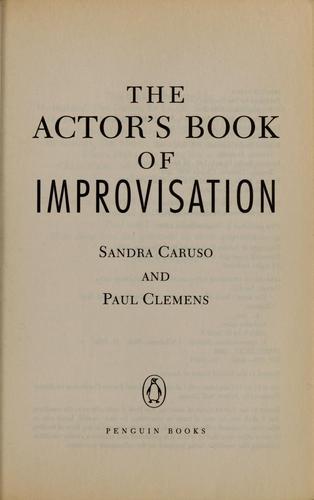
The Actor's Book of Improvisation
Sandra Caruso; Paul Clemens
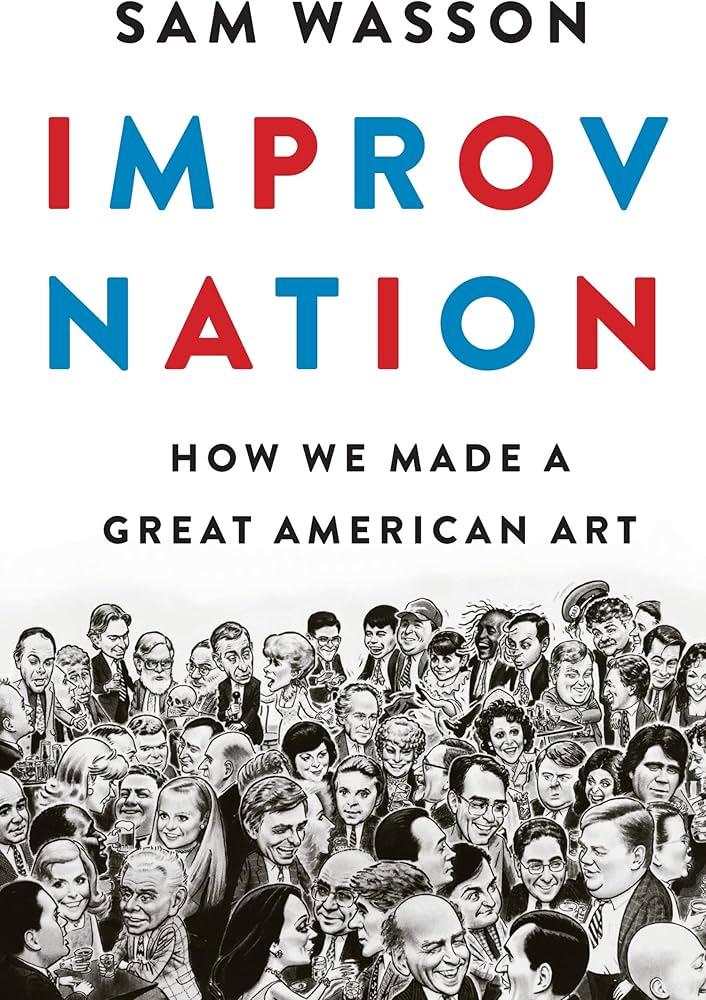
Improv Nation
How We Made a Great American Art
Sam Wasson

Improv Ideas
A Book of Games and Lists
Mary Ann Kelley; Justine Jones

Improv to Improve Your Leadership Team
Tear down Walls and Build Bridges
Candy Campbell

The Young Actor's Book of Improvisation
Dramatic Situations
Sandra Caruso; Susan Kosoff

Drama Games and Improvs
Games for the Classroom and Beyond
Justine Jones; Mary Ann Kelley
Related Games
Fairy Tale
Fairy Tale is a collaborative storytelling game in which performers create an improvised narrative using the conventions, archetypes, and structure of traditional fairy tales. The familiar framework of "once upon a time" through "happily ever after" provides shared scaffolding that guides group invention. Performers draw on stock characters (the hero, the villain, the magical helper), familiar plot beats (the quest, the trial, the transformation), and moral endings to build stories that feel complete and satisfying. The game rewards narrative instinct, ensemble listening, and the ability to build toward a clear ending.
Musical Fairy Tale
Musical Fairy Tale is a short-form game in which performers create an improvised fairy tale complete with songs, using the conventions of the fairy tale genre -- a hero, a villain, a quest, magic, and a moral resolution -- as the narrative scaffold while musical improvisation provides the emotional punctuation, escalation, and comic commentary. The game rewards performers who can move fluently between the spoken storytelling register of the fairy tale and the sung emotional expression of its musical moments.
Conducted Story
Conducted Story is a performance game and exercise in which a conductor points to different performers in a line, each of whom must continue a collaborative story from exactly where the previous speaker stopped. The conductor controls pacing, speaker changes, and dramatic rhythm by pointing rapidly or slowly between performers. Switches can occur mid-sentence, mid-word, or at natural pauses, forcing performers to listen with total attention and maintain narrative coherence under pressure. As noted in Truth in Comedy, Conducted Story is one of the foundational exercises for developing the ability to stay in the moment rather than planning ahead.
Curveball Story
Curveball Story is a collaborative storytelling game in which a narrator tells a story and other players periodically throw in unexpected words, phrases, or events that must be seamlessly incorporated. The narrator cannot reject or ignore the curveball but must weave it into the narrative immediately, maintaining story logic and momentum while accommodating the interruption. The game trains narrative flexibility, acceptance, and the ability to make any new element fit.
Handicapped Fairy Tale
Handicapped Fairy Tale is a storytelling game in which performers create a fairy tale while each laboring under a specific constraint -- speaking only in questions, narrating only in the present tense, beginning every sentence with the next letter of the alphabet, or working under some other formal restriction. The constraint produces friction that generates comedy and forces inventive storytelling, while the fairy tale framework provides familiar story structure to anchor the group's creative problem-solving.
How to Reference This Page
The Improv Archive. (2026). Bedtime Story. Retrieved September 28, 2026, from https://improvarchive.org/games/bedtime-story
The Improv Archive. "Bedtime Story." The Improv Archive, 2026. https://improvarchive.org/games/bedtime-story.
The Improv Archive. "Bedtime Story." The Improv Archive, 2026, https://improvarchive.org/games/bedtime-story. Accessed September 28, 2026.
The Improv Archive is a systemically maintained repository. The archive itself acts as the corporate author.