Black Box
Black Box is a short-form game in which one player holds a mimed remote control or box with three buttons, each triggering a different involuntary behavior in a second player. Neither performer knows in advance what the buttons do. The effects are discovered through experimentation during a scene, as the button-presser tests each button and the affected player commits to whatever physical, vocal, or emotional response emerges. The game rewards physical commitment, spontaneous justification, and the ability to incorporate unexpected impulses into ongoing scene work. Black Box demonstrates the improv principle that accepting and justifying any offer, no matter how disruptive, produces stronger comedy than resisting or ignoring it.
Structure
Two performers take the stage. The host establishes a simple scene premise (a workplace conversation, a dinner date, a doctor's visit) and explains the game's mechanic: one player holds an invisible box with three distinct buttons. Each button, when pressed, triggers an involuntary response in the other player.
The scene begins normally. The player with the box presses the first button at a natural moment in the dialogue. The affected player immediately responds with a spontaneous physical action, vocal change, or emotional shift. This response is now locked in as Button One's effect.
The box-holder continues the scene while periodically pressing buttons. Button Two triggers a different involuntary response, and Button Three triggers yet another. The three effects should be distinct from each other to create variety and prevent confusion.
As the scene progresses, the box-holder strategically presses buttons at moments that create maximum comedic disruption: during an important statement, at an emotional peak, or in the middle of a physical action. The affected player must commit to the involuntary response instantly, then justify it within the scene's reality and resume the conversation.
The game escalates as the box-holder combines buttons (pressing two simultaneously) or increases the frequency. The scene concludes with a blackout, often timed to a moment where the button effect delivers the strongest comic punch.
How to Teach It
How to Explain It
"This remote has three buttons. Each button does something different to the scene: rewind, fast forward, slow motion, translate, whatever we decide. Two players start a scene. I hold the remote. When I hit a button, the scene changes. Players adjust immediately."
Black Box is an excellent game for teaching the "Yes, And" principle in its most physical form. The affected player cannot deny or ignore the button press. Accepting the impulse immediately and completely is the only option that keeps the game alive.
Coach the affected player to choose big, clear, repeatable physical responses for each button. Test the responses in rehearsal: can the player do this response the same way every time? Does the audience see it clearly? Can the player return to the scene afterward?
Coach the box-holder on strategic timing. The best moments to press a button are just before a punchline, during an important revelation, or at the peak of an emotional moment. These disruptions create the strongest comedy because they interrupt something the audience was tracking.
A common failure mode occurs when the affected player's responses are too similar to each other. Three variations of "twitching" give the audience nothing to distinguish between buttons. Coach for maximum contrast: one button triggers a physical response, another triggers a vocal change, and the third triggers an emotional shift.
Another pitfall is the scene getting lost entirely in the gimmick. Remind both performers that the game still needs a scene with characters, a relationship, and stakes. The buttons enhance the scene; they do not replace it.
How to Perform It
The game requires exactly two performers. The dynamic is inherently asymmetrical: the box-holder controls the timing of disruptions while the affected player must absorb and justify them.
The affected player's commitment is the game's engine. Involuntary responses must be immediate, physical, and repeatable. A full-body convulsion, a sudden burst of song, or an uncontrollable urge to hug the nearest object all work because they are visible, consistent, and disruptive. Subtle responses (a slight twitch, a quiet sigh) are too small to register with the audience.
The box-holder must serve the scene, not just the gimmick. Pressing buttons constantly without allowing scene moments to develop reduces the game to a reflex exercise. The strongest performances alternate between stretches of genuine scene work and well-timed disruptions that land because the audience has invested in the conversation.
Consistency matters. Once an effect is established for a button, both performers must honor it throughout the game. The affected player who changes their Button Two response midway through breaks the game's internal logic.
The most advanced version of the game involves the affected player finding in-scene justifications for each involuntary response: explaining away a sudden dance as excitement about the topic, or apologizing for an outburst and blaming it on allergies. This layer of justification elevates the game from physical comedy to genuine scene work.
Worth Reading
See all books →
Mask Improvisation for Actor Training and Performance
the compelling image
Sears A. Eldredge
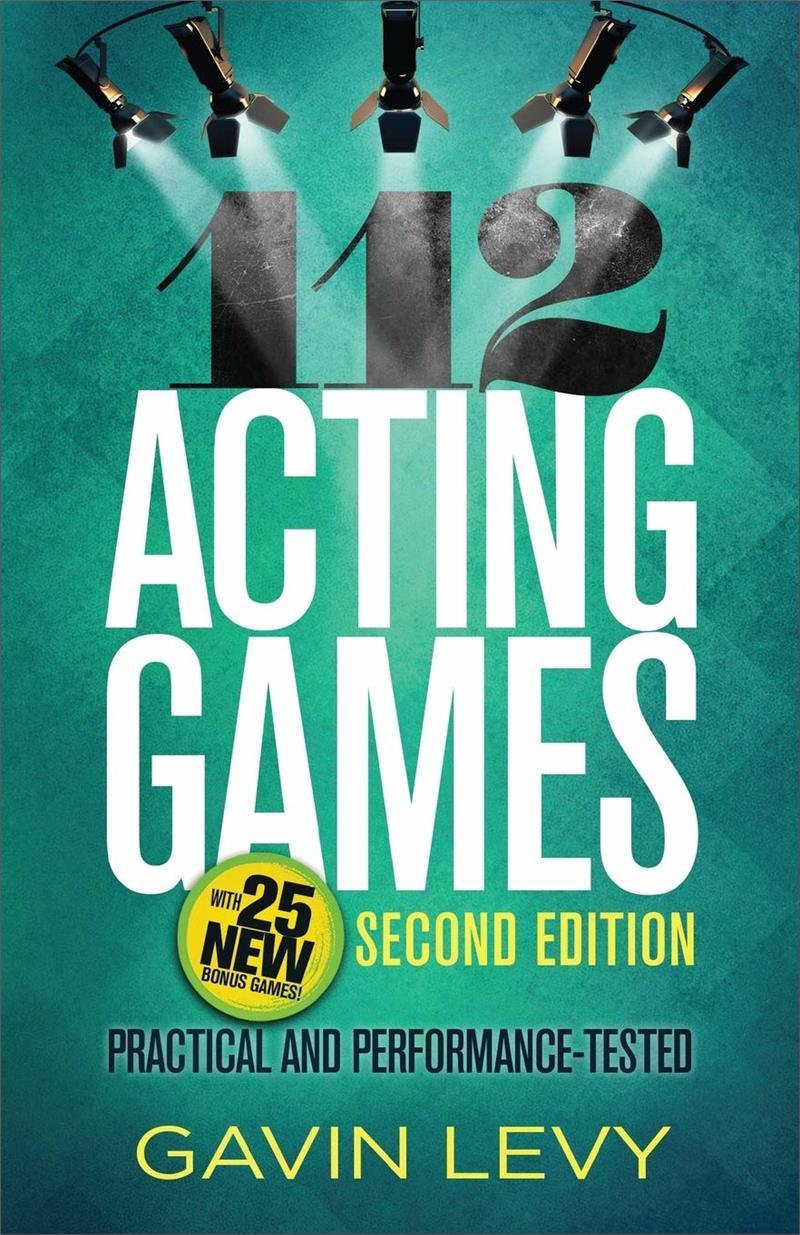
112 Acting Games
Gavin Levy
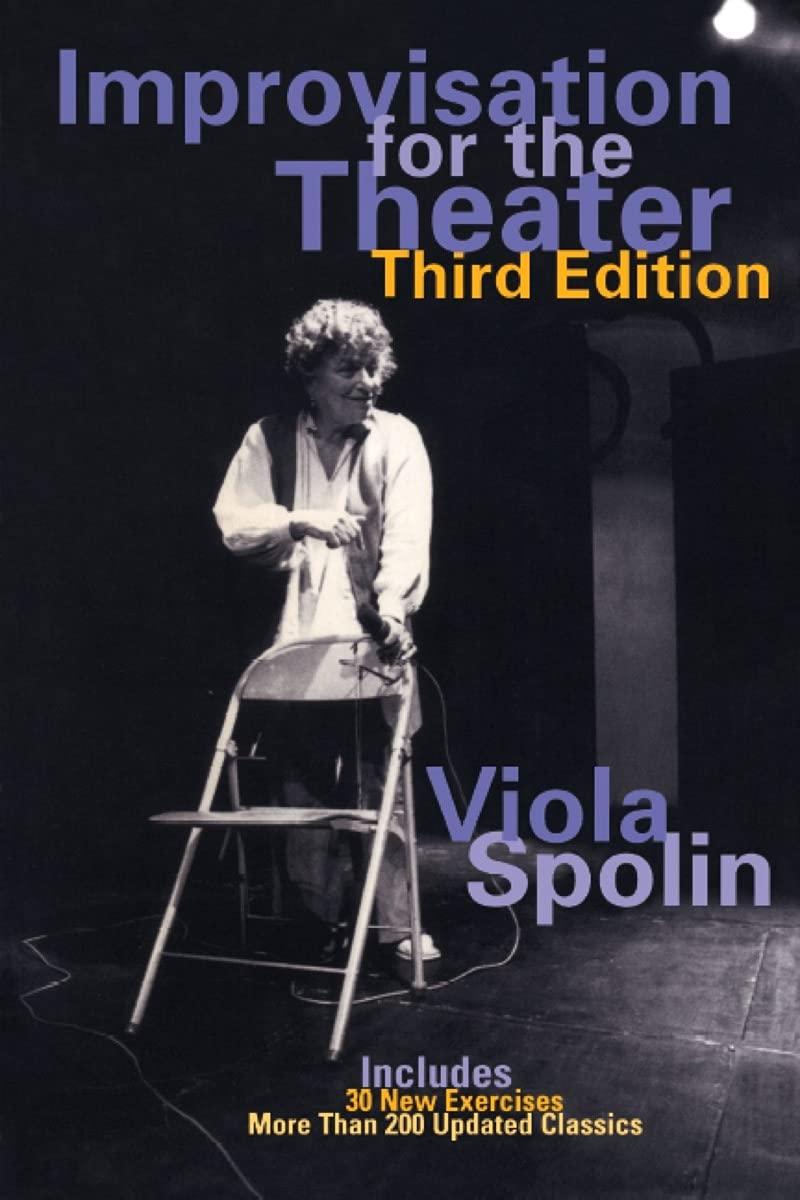
Improvisation for the Theater
A Handbook of Teaching and Directing Techniques
Viola Spolin
The Improvisation Game
Discovering the Secrets of Spontaneous Performance
Chris Johnston
Improvise
Scene from the Inside Out
Mick Napier
The Principles of Improv Comedy
Tom Blank
Related Games
Countdown
Countdown is a short-form game and exercise in which performers replay a scene in progressively shorter time limits, compressing the action from several minutes down to seconds. Each repetition demands sharper editing, bolder physical choices, and more efficient storytelling as the available time shrinks. The game reveals the essential beats of a scene by forcing performers to strip away everything nonessential, leaving only the core moments that drive the narrative. Countdown demonstrates that the emotional truth of a scene can survive extreme compression, and that clarity improves when performers are forced to prioritize.
Actor Switch
## Actor Switch: Content Actor Switch is a foundational improv structure, frequently utilized as both a game and an exercise. It centers on the rapid and unexpected exchange of character traits or roles between performers. The core mechanic involves one player initiating a switch by verbally or physically signaling another player to adopt a specific characteristic, emotion, or even a complete persona from the initiating player. This creates a dynamic shift in the scene, demanding adaptability and responsiveness from all involved. The origins of Actor Switch, like many early improv games, are challenging to definitively trace. It likely evolves organically within the burgeoning Chicago improv scene of the 1960s and 70s, drawing from techniques explored by Second City and Del Close. No single individual receives credit for its invention, but its consistent presence in improv training materials suggests early adoption and subsequent refinement by numerous practitioners. It serves as a crucial tool for developing active listening and quick thinking. To execute Actor Switch, a scene begins as usual, with performers establishing a baseline scenario. At any point, a player can declare "Actor Switch!" and then specify the element to be transferred, for example, "Actor Switch: Your frustration!" The targeted player immediately embodies that element, integrating it into their existing character or behavior. This process repeats, with players continually switching elements, creating a layered and unpredictable performance. The goal is not necessarily to create a coherent narrative, but to explore the possibilities of character and reaction. Actor Switch offers several benefits. It encourages performers to observe and react to their scene partners, fostering a heightened sense of ensemble awareness. The rapid shifts challenge performers to abandon preconceived notions and embrace spontaneity. Ultimately, Actor Switch cultivates a playful and dynamic approach to improvisational storytelling.
Motel
Motel is a short-form game set in a motel room where a succession of increasingly unusual guests check in one after another. Each new arrival brings a distinct character trait, problem, or situation that the existing occupants must accommodate or confront. The single room becomes a pressure cooker as incompatible characters are forced to share the space. The game rewards strong character entrances, the ability to build comedic chaos through accumulation, and the ensemble skill of managing an increasingly crowded stage.
Id
Id is a scene game in which a performer's unfiltered subconscious desires are voiced by a second player, creating a running commentary of primal wants beneath the surface dialogue. The tension between polite conversation and raw impulse generates comedy and dramatic irony. The game highlights the gap between social behavior and inner life.
Triggers
Triggers is a scene game and exercise in which specific words, phrases, or gestures are designated before a scene begins, and whenever they occur the recipient must execute a predetermined physical or emotional response. The gap between the mundane trigger and the extreme reaction creates the comedic and theatrical engine of the game. It trains active listening, physical commitment, and justification under surprise.
Bucket
Bucket is a short-form game in which scene suggestions, character traits, or constraints are written on slips of paper and placed in a bucket before the show. During scenes, performers draw slips at designated moments and must immediately incorporate whatever is written into the ongoing action. The random elements inject controlled unpredictability, forcing performers to accept and justify offers that could not be anticipated. The game rewards flexibility, quick thinking, and the ability to absorb any suggestion without hesitation. Bucket demonstrates the core improv principle that accepting external offers, no matter how disruptive, produces stronger and more surprising scene work than relying solely on performer-generated choices.
How to Reference This Page
The Improv Archive. (2026). Black Box. Retrieved September 28, 2026, from https://improvarchive.org/games/black-box
The Improv Archive. "Black Box." The Improv Archive, 2026. https://improvarchive.org/games/black-box.
The Improv Archive. "Black Box." The Improv Archive, 2026, https://improvarchive.org/games/black-box. Accessed September 28, 2026.
The Improv Archive is a systemically maintained repository. The archive itself acts as the corporate author.