Ding is a short-form game in which a host rings a bell or buzzer to signal a performer to replace their last line of dialogue with a new one. The host can ring repeatedly, demanding multiple replacements for the same moment, each new line erasing the previous one within the scene's reality. The game is one of the most widely performed short-form games in the world, popularized through its frequent appearance on Whose Line Is It Anyway? Ding rewards fast verbal invention, the ability to generate multiple alternatives under pressure, and the willingness to abandon a safe choice in favor of a riskier, funnier one.
Structure
Two or more performers begin a scene based on an audience suggestion. The scene proceeds normally until the host rings a bell, buzzer, or calls out "Ding" or "New Choice."
When the signal sounds, the performer who just spoke must immediately replace their last line with a completely different line. The scene then continues as though the replacement line were the original. If the host rings again, the performer must replace the replacement, generating a third option for the same moment.
The scene continues with the host ringing at strategic moments throughout. The host selects moments that are rich with replacement potential: declarations of love, confessions, descriptions of a plan, or any line that defines the scene's direction. Each replacement sends the scene in a new direction, and the performers must adapt instantly.
The game escalates through the accumulating chaos of multiple redirections. A scene that began as a romantic dinner may become a spy thriller by the fourth ding. The performers must stay committed to each new reality as though it were the only one that ever existed.
The scene concludes with a blackout, typically timed to land on the funniest replacement the host can provoke.
How to Teach It
How to Explain It
"You are going to deliver a monologue. Every time I ding, you must change something: your point of view, your physical state, your topic. You do not stop. The ding is a signal, not an ending."
Begin with a simple version: one performer delivers a monologue, and the host dings after each sentence. This isolates the replacement skill without the added complexity of scene work and scene partner management.
Progress to two-person scenes with infrequent dings, then increase the frequency as performers build confidence. The jump from monologue to scene work is significant because the performer must now consider the scene partner's needs when generating replacements.
The most common failure mode is performers offering replacements that are too similar to the original line. Coach for maximum divergence: if the original line is romantic, the replacement should be hostile. If the original is specific, the replacement should be abstract. Contrast creates comedy.
Another pitfall is performers freezing under rapid dings. Coach for speed over quality: any replacement is better than silence. The audience forgives a mediocre replacement delivered instantly but loses patience with silence.
Ding is an excellent diagnostic tool for teaching performers to let go of their best ideas. The game systematically forces performers to abandon lines they were proud of and generate something new, building the creative flexibility that all improvisation requires.
How to Perform It
Each replacement must be genuinely different from the previous line, not a minor variation. Replacing "the weather is nice today" with "the weather is great today" fails the game. The audience expects each new line to send the scene in a completely different direction.
Performers should resist the instinct to plan ahead. The comedy comes from the surprise of whatever emerges under pressure, not from a pre-planned sequence of alternatives. The first impulse after a ding is almost always the right one.
The scene partner who does not get dinged carries the continuity. After each replacement, the non-dinged performer must accept the new line as reality and adjust their character, emotion, and scene trajectory accordingly. This supporting role is as demanding as the replacement role.
The host's timing is the game's engine. Dinging after a mundane line wastes the mechanic. Dinging after a line that defines the scene's stakes, reveals a character's motivation, or lands a strong comedic moment creates maximum impact. The best hosts develop an instinct for which lines contain the most replacement potential.
Worth Reading
See all books →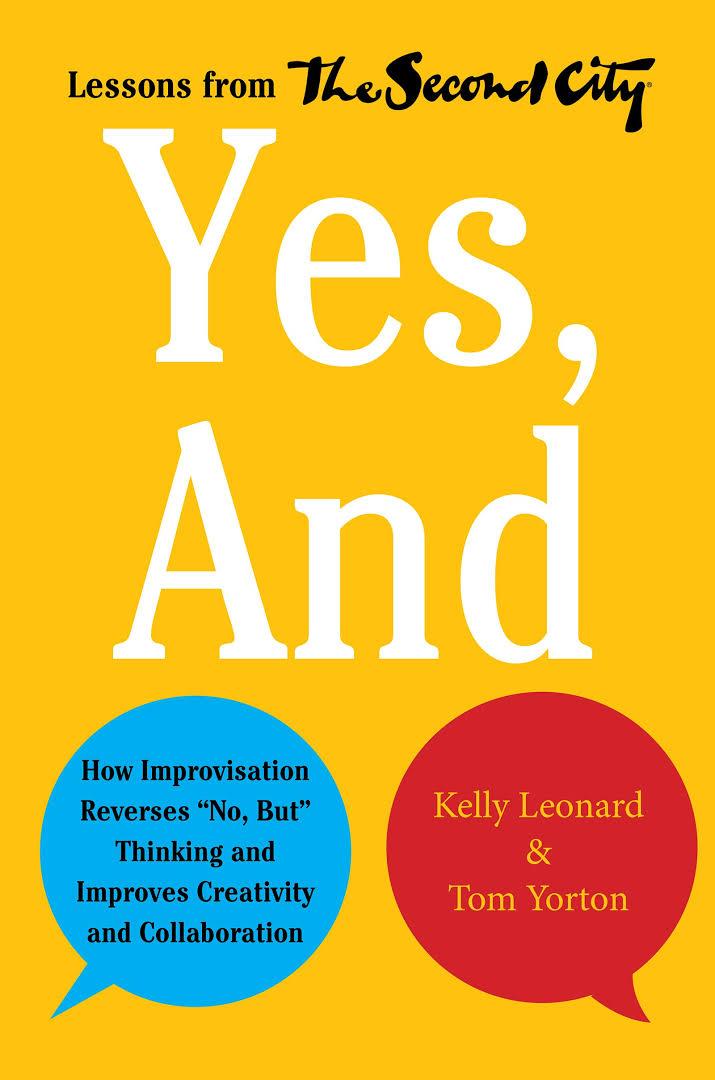
Yes, And
How Improvisation Reverses No, But Thinking and Improves Creativity and Collaboration
Kelly Leonard; Tom Yorton

Embodied Playwriting
Improv and Acting Exercises for Writing
Hillary Haft Bucs; Charissa Menefee

Improvisation for the Spirit
Live a More Creative, Spontaneous, and Courageous Life
Katie Goodman

Applied Improvisation
Leading, Collaborating, and Creating Beyond the Theatre
Theresa Robbins Dudeck; Caitlin McClure
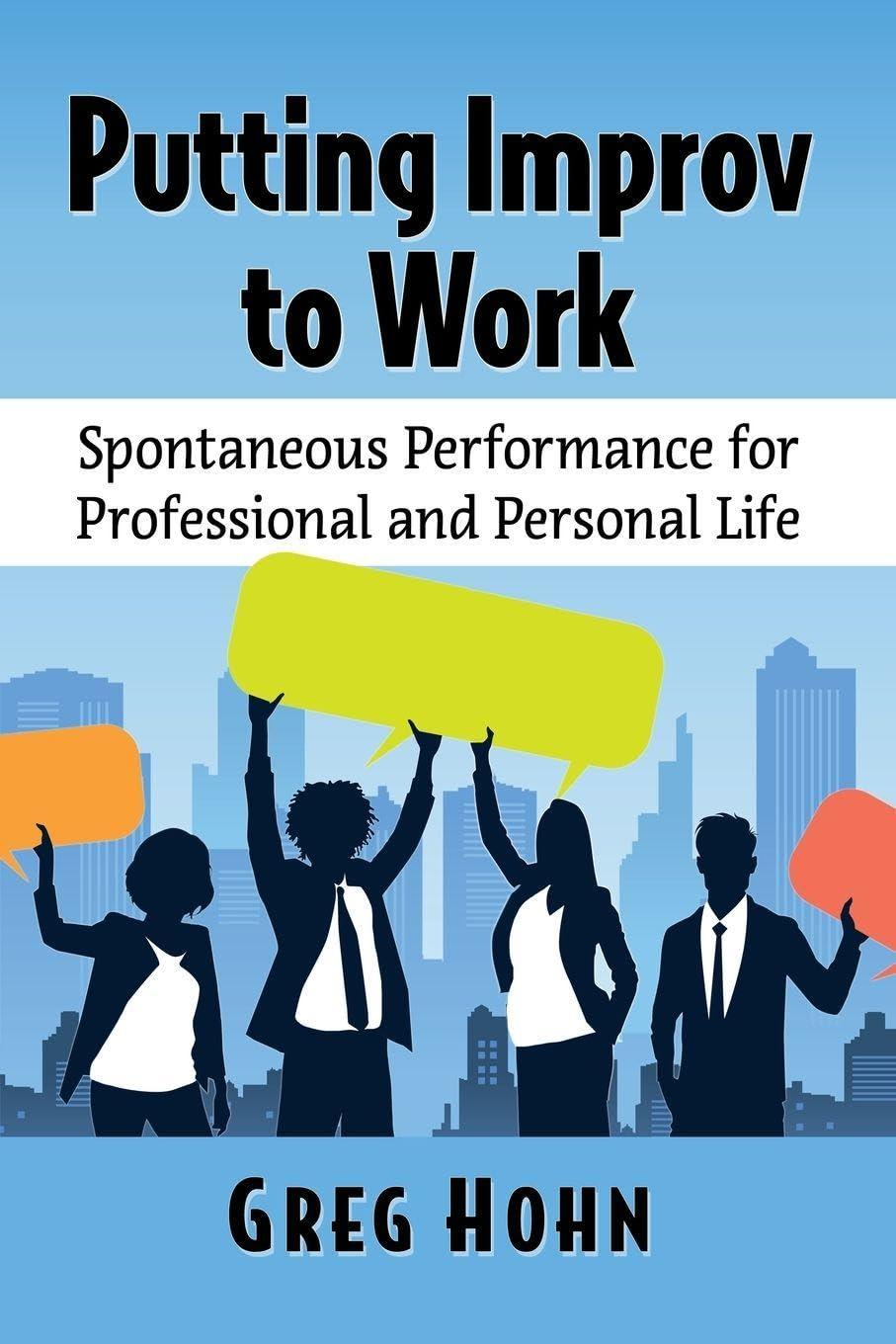
Putting Improv to Work
Spontaneous Performance for Leadership, Learning, and Life
Greg Hohn

Improvisation In The Arts Of The Middle Ages And Renaissance
Timothy J. McGee
Related Games
Ding Characters
Ding Characters is a variant of the Ding game in which a bell or signal causes a performer to change their character rather than repeat their previous line. Each ding produces a new persona with different physicality, voice, status, or emotional register, while the scene's action and circumstances continue. The game trains rapid character transformation and physical range.
Countdown
Countdown is a short-form game and exercise in which performers replay a scene in progressively shorter time limits, compressing the action from several minutes down to seconds. Each repetition demands sharper editing, bolder physical choices, and more efficient storytelling as the available time shrinks. The game reveals the essential beats of a scene by forcing performers to strip away everything nonessential, leaving only the core moments that drive the narrative. Countdown demonstrates that the emotional truth of a scene can survive extreme compression, and that clarity improves when performers are forced to prioritize.
Change
Change is a short-form game in which a caller says "change" at any point during a scene, forcing the last speaker to replace their most recent line with a new one. Repeated calls on the same line demand increasingly creative alternatives. The game trains verbal agility and the ability to generate multiple options for any moment.
New Choice
New Choice is a short-form game in which a caller interrupts performers mid-scene by shouting "New Choice," forcing the last speaker to immediately replace their most recent line or action with something entirely different. The caller may fire multiple calls in rapid succession, pushing performers through a cascade of alternatives under pressure. The game trains verbal agility, commitment to offers, and the capacity to abandon choices without hesitation.
Ding Dong
Ding Dong is a doorbell-based scene game in which the scene is repeatedly interrupted by visitors arriving at the door. Each new arrival brings a different energy, character, or complication. The game builds a layered ensemble scene from a simple mechanic and rewards performers who heighten the accumulating chaos.
Sing It
Sing It is a short-form game in which a host signals performers to interrupt their scene dialogue and immediately sing a song containing the word or phrase just spoken. The performer sings a relevant portion of the song, then returns to the scene. The game rewards broad musical knowledge, quick verbal association, and the willingness to commit to an unplanned song in public.
The Lineage
Explore the schools and structures that influenced or evolved from Ding.
Whose Line Is It Anyway?
How to Reference This Page
The Improv Archive. (2026). Ding. Retrieved September 28, 2026, from https://improvarchive.org/games/ding
The Improv Archive. "Ding." The Improv Archive, 2026. https://improvarchive.org/games/ding.
The Improv Archive. "Ding." The Improv Archive, 2026, https://improvarchive.org/games/ding. Accessed September 28, 2026.
The Improv Archive is a systemically maintained repository. The archive itself acts as the corporate author.