Ding Dong
Ding Dong is a doorbell-based scene game in which the scene is repeatedly interrupted by visitors arriving at the door. Each new arrival brings a different energy, character, or complication. The game builds a layered ensemble scene from a simple mechanic and rewards performers who heighten the accumulating chaos.
Worth Reading
See all books →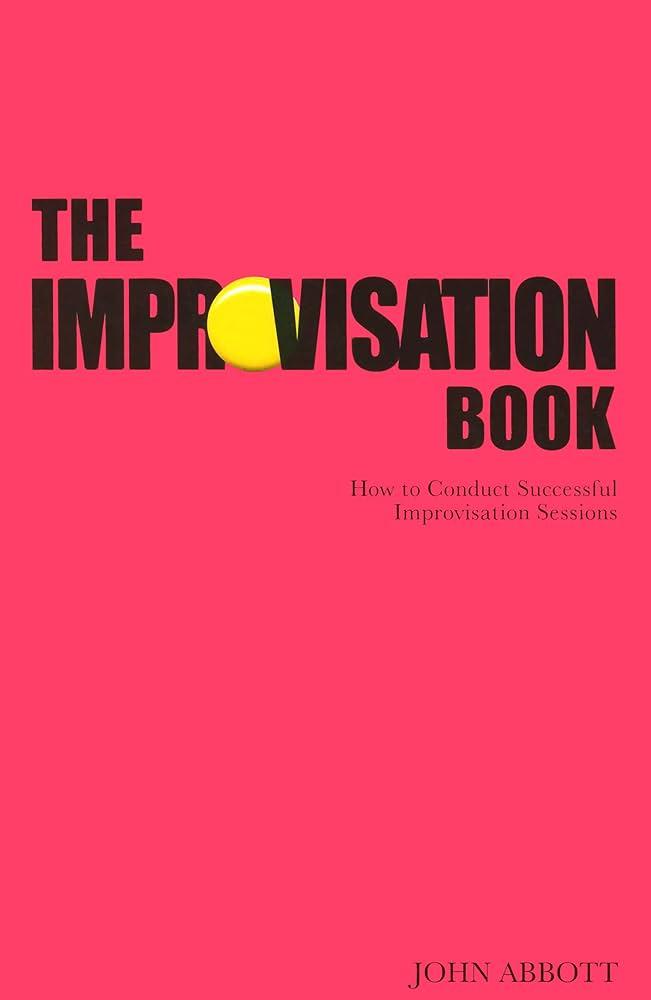
The Improvisation Book
How to Conduct Successful Improvisation Sessions
John S.C. Abbott
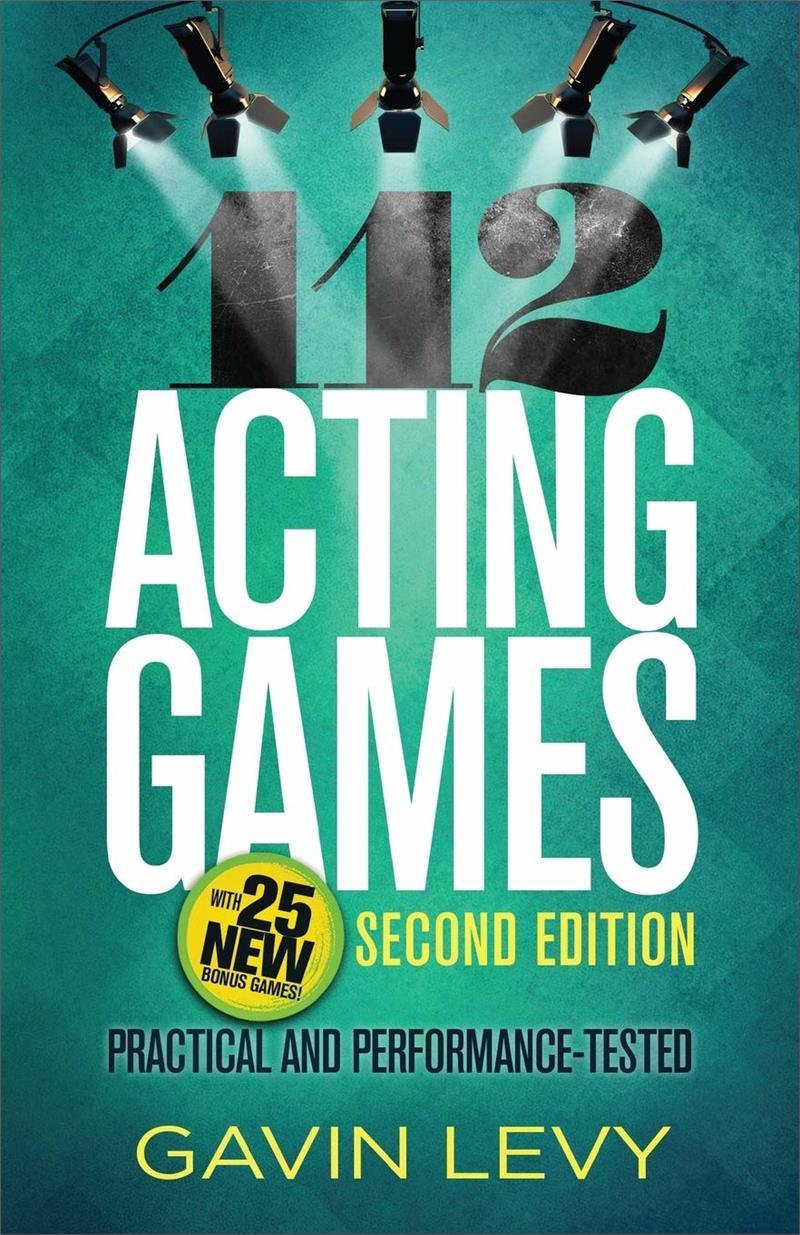
112 Acting Games
Gavin Levy

Group Improvisation
The Manual of Ensemble Improv Games
Peter Campbell Gwinn; Charna Halpern

The Upright Citizens Brigade Comedy Improvisation Manual
Matt Besser; Ian Roberts; Matt Walsh
The Improvisation Game
Discovering the Secrets of Spontaneous Performance
Chris Johnston

Pirate Robot Ninja
An Improv Fable
Billy Merritt; Will Hines
Related Games
Ding
Ding is a short-form game in which a host rings a bell or buzzer to signal a performer to replace their last line of dialogue with a new one. The host can ring repeatedly, demanding multiple replacements for the same moment, each new line erasing the previous one within the scene's reality. The game is one of the most widely performed short-form games in the world, popularized through its frequent appearance on Whose Line Is It Anyway? Ding rewards fast verbal invention, the ability to generate multiple alternatives under pressure, and the willingness to abandon a safe choice in favor of a riskier, funnier one.
Ding Characters
Ding Characters is a variant of the Ding game in which a bell or signal causes a performer to change their character rather than repeat their previous line. Each ding produces a new persona with different physicality, voice, status, or emotional register, while the scene's action and circumstances continue. The game trains rapid character transformation and physical range.
Doors
Doors is a scene game in which performers enter and exit through imagined doors, with each entrance bringing a new character, revelation, or complication. The physical act of entering through a door heightens the theatrical convention and gives each new addition a clear punctuation. The game rewards strong entrance choices and the ability to build on what has already been established.
Train Wreck
Train Wreck is a group game in which multiple scenes, characters, and storylines collide in a single chaotic climax. Each performer brings their established character or plotline into a shared space, and the ensemble must navigate the resulting chaos while finding resolution. The game rewards ensemble awareness and the ability to find order within disorder.
Guest Game
Guest Game is a short-form guessing game in which one player hosts a party while other performers arrive as characters with secret identities or traits assigned by the audience. The host must determine each guest's secret through interaction. The game rewards clear character physicalization and the host's observational acuity.
Behind Closed Doors
Behind Closed Doors is a scene game in which the audience sees only the moments before characters enter and after they exit a room, never what happens inside. Players must convey dramatic events through their changed demeanor, dialogue, and physical state upon emerging. The game trains performers to communicate offstage action through behavior.
How to Reference This Page
The Improv Archive. (2026). Ding Dong. Retrieved September 28, 2026, from https://improvarchive.org/games/ding-dong
The Improv Archive. "Ding Dong." The Improv Archive, 2026. https://improvarchive.org/games/ding-dong.
The Improv Archive. "Ding Dong." The Improv Archive, 2026, https://improvarchive.org/games/ding-dong. Accessed September 28, 2026.
The Improv Archive is a systemically maintained repository. The archive itself acts as the corporate author.