Hat Continuation
Hat Continuation is a scene game in which characters are defined by the hats or costume pieces they wear. When the host freezes the scene and swaps a hat on a performer, that performer's character changes entirely to match the new headwear. The game rewards rapid character transformation, the ability to justify new character choices from an existing physical position, and the comedy of a scene's relationships shifting as characters are replaced.
Structure
Setup
A collection of hats or distinctive costume pieces is prepared offstage. Two or more performers begin a scene in established characters. Each character wears a specific hat.
The Scene
The scene plays as a regular scene. When the host calls a freeze and swaps a hat on one performer, that performer drops their current character and arrives instantly as a new one suited to the new headwear. The scene continues from the exact moment of the freeze.
Character Shift
The performer whose hat changes must justify their new character from the position and relationship context they were already in. The scene's other performers respond to the new character as though encountering a new person in the same situation.
Multiple Swaps
The host may swap hats multiple times across a single scene, accumulating character changes and shifting the scene's relational dynamics. The continuity of the scene's situation combined with the discontinuity of its characters creates the game's central tension.
Ending
The scene ends when the host brings it to a close -- either at a strong narrative beat or when the accumulated character changes have built to a natural resolution or absurd conclusion.
How to Teach It
Objectives
Hat Continuation trains rapid character switching, the ability to justify a new character from an existing physical position, and responsiveness to a new partner in a scene that has already been in motion.
How to Explain It
"The hat defines the character. When your hat changes, you change. New hat, new person -- but the scene keeps going. Figure out who you are from where you are."
Scaffolding
Ensure the hat collection is distinct enough that each piece suggests a different type of character. Identical or similar hats reduce the game's clarity. Practice rapid character switching in a separate exercise before introducing it within the continuity of a scene.
Common Pitfalls
Performers sometimes treat the hat swap as an opportunity to restart the scene from a neutral position rather than to justify a new character in the existing moment. The coaching note is that the scene continues -- the new character is placed into an existing relationship and an ongoing situation. The comedy lies in that landing, not in starting fresh.
How to Perform It
Audience Intro
"In this scene, the characters are defined by what they're wearing -- specifically, by the hat. Watch what happens when a hat changes."
Cast Size
Ideal: 2 to 4 performers plus a host managing the swaps.
Staging
The hat collection should be accessible to the host without disrupting the scene. A stage manager or offstage assistant can handle hat logistics during a fast-paced show.
Wrap-Up Logic
End when a hat swap produces a character transformation that lands a particularly strong beat, or when the scene has accumulated enough changes to reach a satisfying absurd resolution.
Worth Reading
See all books →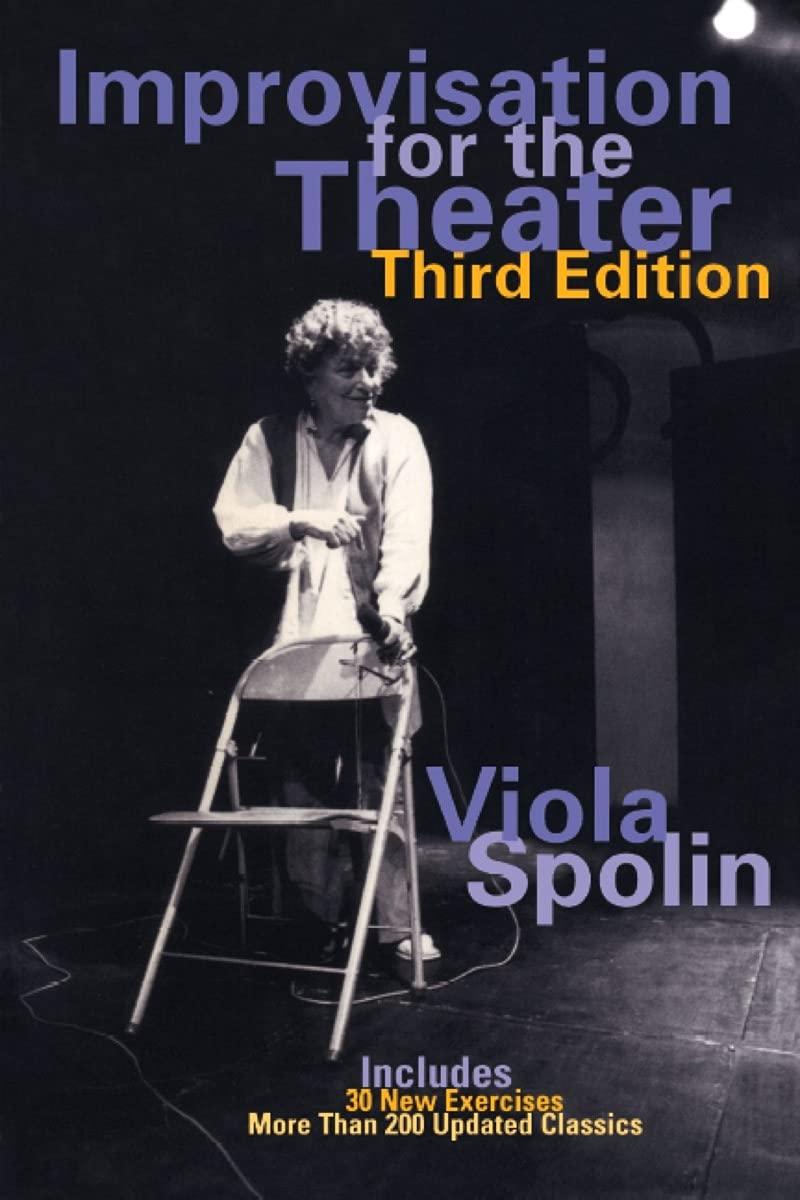
Improvisation for the Theater
A Handbook of Teaching and Directing Techniques
Viola Spolin

Pirate Robot Ninja
An Improv Fable
Billy Merritt; Will Hines

Mask Improvisation for Actor Training and Performance
the compelling image
Sears A. Eldredge

Improvising Now
A Practical Guide to Modern Improv
Rob Norman
Theater Games for Rehearsal
Viola Spolin
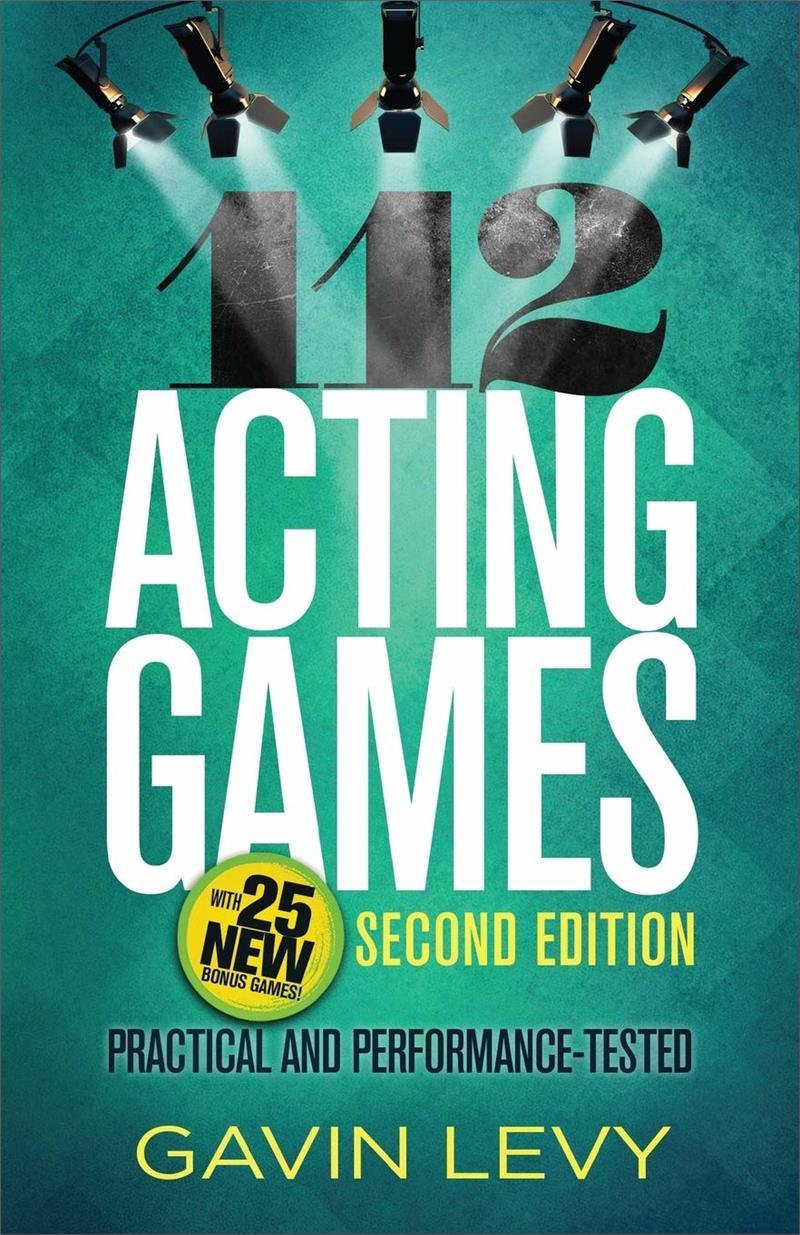
112 Acting Games
Gavin Levy
Related Games
Hats
Hats is a character exercise in which performers draw hats or headpieces from a collection and build a character inspired by the item. The physical prop provides an instant external stimulus and anchor for character choices. The exercise trains rapid character commitment and the ability to find a persona from a single visual cue.
Continuing Styles
Continuing Styles is a scene game in which the performance style shifts at the host's command, moving through genres such as film noir, soap opera, Shakespeare, or horror. Performers must maintain the scene's established reality while instantly translating every element -- dialogue, physicality, relationships, and emotional stakes -- into the new style.
Continuing Emotions
Continuing Emotions is a scene game in which performers cycle through a series of emotional states at the direction of a caller. Each emotional shift must be justified within the scene's reality rather than simply displayed, with characters finding a reason to feel the new state given what has just happened. The game trains emotional range, commitment, and the ability to sustain scene logic through rapid change.
Meanwhile
Meanwhile is a short-form game in which multiple scenes run in parallel, connected by the transitional word that gives the game its name. When a player or host calls the transition, the current scene freezes and a new scene begins in a different location, time period, or context. The game trains performers in quick context-switching, scene memory, and the ability to pick up a frozen scene exactly where it left off. Callbacks and connections between the parallel storylines elevate the game from a scene-switching exercise into a web of interlocking narratives.
How to Reference This Page
The Improv Archive. (2026). Hat Continuation. Retrieved September 28, 2026, from https://improvarchive.org/games/hat-continuation
The Improv Archive. "Hat Continuation." The Improv Archive, 2026. https://improvarchive.org/games/hat-continuation.
The Improv Archive. "Hat Continuation." The Improv Archive, 2026, https://improvarchive.org/games/hat-continuation. Accessed September 28, 2026.
The Improv Archive is a systemically maintained repository. The archive itself acts as the corporate author.