Mix and Match
Mix and Match is a character and scene game in which performers combine disparate audience-suggested traits, occupations, scenarios, or styles into a single scene. The game takes two or more elements that do not naturally belong together and challenges the performers to find coherent logic within the absurd combination. A brain surgeon with a fear of blood, a cowboy at a ballet class, or a romantic comedy set in a submarine: the game rewards specificity, commitment, and the ability to ground heightened premises in recognizable human behavior.
Structure
The audience provides two or more suggestions from different categories. Common combinations include an occupation paired with an unlikely personality trait, a location paired with an unexpected activity, or a genre paired with a mismatched setting. The suggestions are deliberately chosen for their incongruity.
Two or more performers take the stage and begin a scene that incorporates all the suggested elements. The performers must treat the combination as the scene's given circumstance, not as a joke to be commented on. A cowboy at a ballet class does not remark on how unusual the situation is; the cowboy is there for a specific reason and engages with the ballet class on those terms.
The scene develops through the friction between the mismatched elements. The comedy emerges from the performers' commitment to making the combination work rather than from the absurdity of the combination itself. The performers discover the unexpected logic: why this person is in this place, doing this thing, and what it means to them.
Variations include rotating mix and match (new elements are added or swapped mid-scene), escalating mix and match (additional mismatched elements are layered on as the scene progresses), and character mix and match (each performer receives a different set of incompatible traits and must make them coexist within a single character).
How to Teach It
How to Explain It
"We're going to get a set of random attributes from the audience: occupations, personality traits, situations. Then we shuffle them and assign them randomly to performers. Play your combination without explaining it. Let the audience discover the collision."
Mix and Match is an effective game for teaching commitment and the skill of justification. Students learn that the performer's job is not to judge the premise but to inhabit it. Every combination, however unlikely, contains a scene if the performers look for it.
Coach performers to start with the emotional logic of the combination rather than the comedic potential. A performer who asks "why would this character be in this situation?" and finds a genuine answer produces a stronger scene than one who leads with the joke.
The game teaches the principle of grounding heightened premises. In all improv, the most sustainable comedy comes from treating unusual situations with the same emotional seriousness as ordinary ones. Mix and Match makes this principle explicit by giving performers premises that demand grounding.
Use the game to practice audience suggestion skills. Taking multiple suggestions and combining them into a coherent scene premise is a skill that serves performers in all formats, from short-form games to long-form openings.
How to Perform It
Grounding is the game's essential skill. Performers who play the combination as inherently ridiculous produce shallow comedy. Performers who find the emotional truth within the absurd combination produce scenes that are both funny and resonant. The funniest moments come from treating the mismatched elements with complete sincerity.
Specificity elevates the game. A performer playing a "clumsy surgeon" is less interesting than one playing a surgeon whose hands shake only when the patient reminds the surgeon of a specific person. The more specific the character's relationship to the mismatched trait, the richer the scene.
The game tests the improv principle that any premise can work if the performers commit. Students who dismiss suggestions as "too weird" or "impossible" discover through Mix and Match that commitment transforms any combination into playable material.
The game works well as a short-form performance piece because the audience sees their own suggestions combined in unexpected ways, creating a sense of co-creation that heightens engagement.
Worth Reading
See all books →
Improvisation for Actors and Writers
A Guidebook for Improv Lessons in Comedy
Bill Lynn
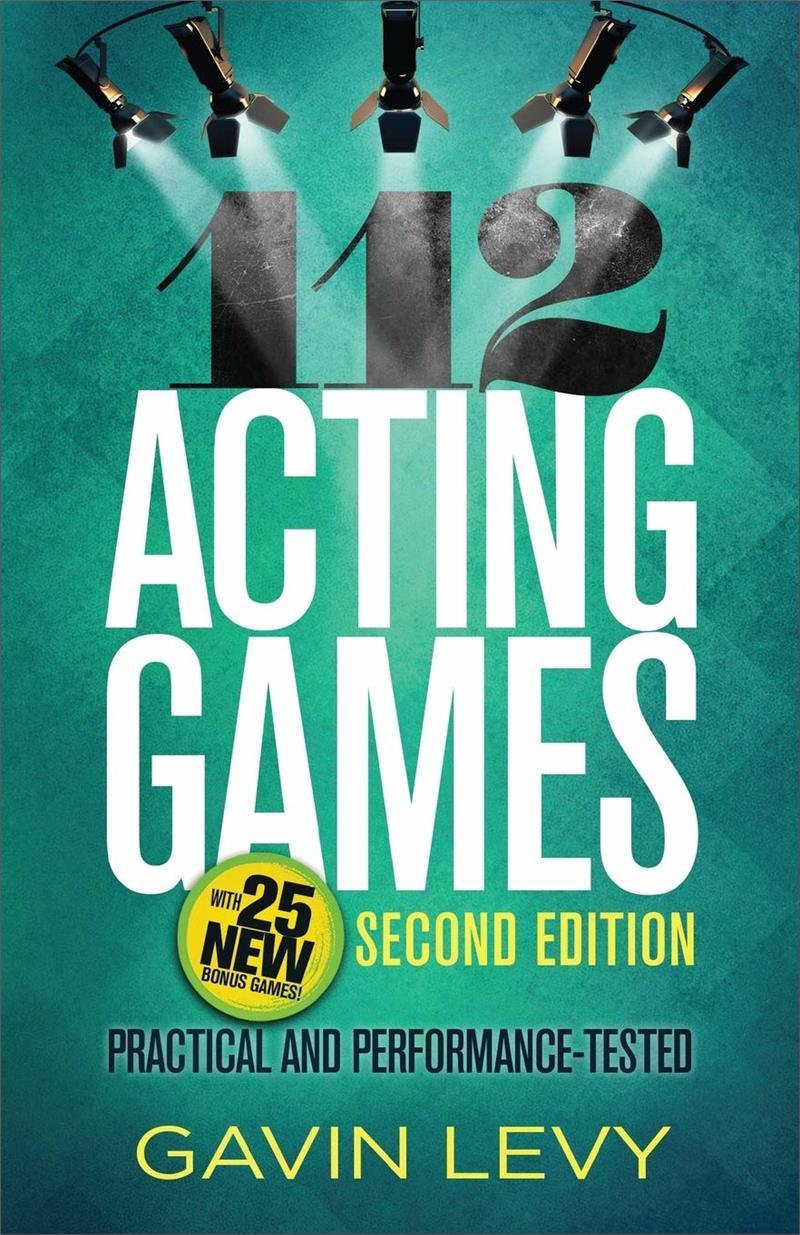
112 Acting Games
Gavin Levy
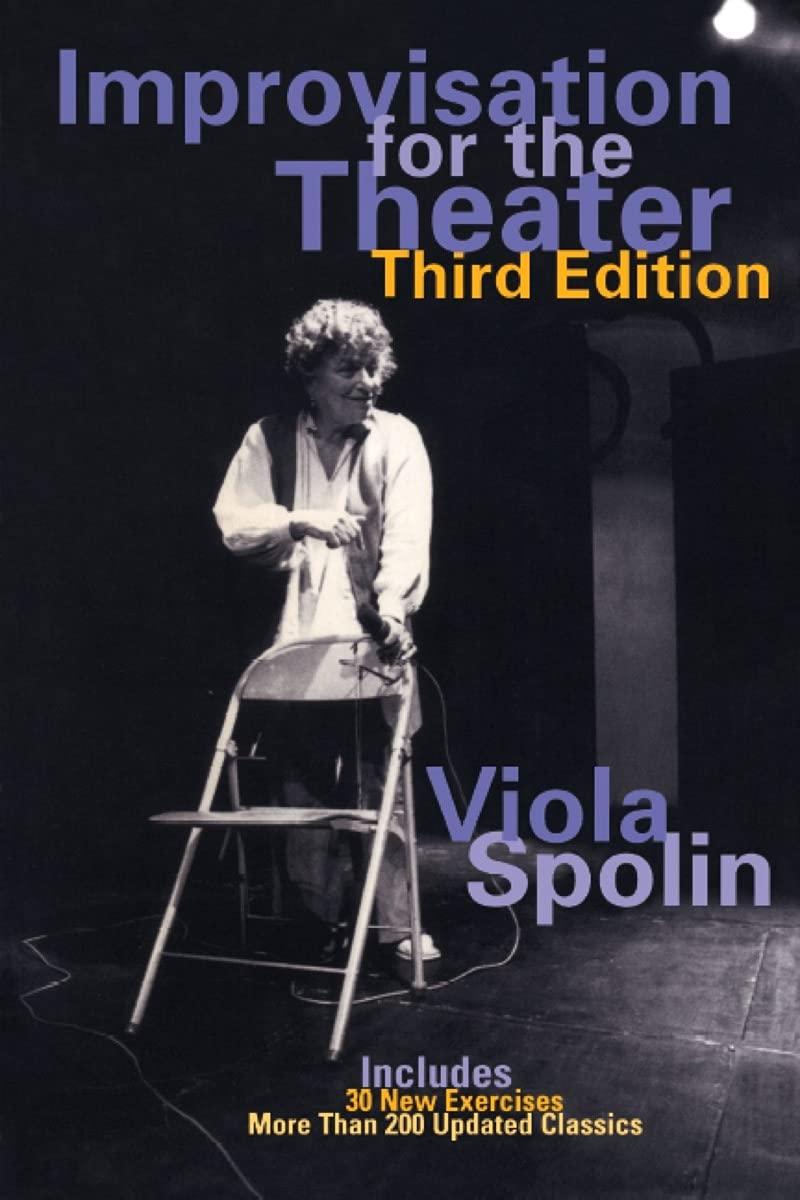
Improvisation for the Theater
A Handbook of Teaching and Directing Techniques
Viola Spolin
Theater Games for Rehearsal
Viola Spolin

The Young Actor's Book of Improvisation
Dramatic Situations
Sandra Caruso; Susan Kosoff

Drama Games and Improvs
Games for the Classroom and Beyond
Justine Jones; Mary Ann Kelley
Related Games
Mix Tape
Mix Tape is a short-form game in which performers play scenes that shift between different emotional registers, musical genres, or tonal modes as if a host is rapidly flipping through tracks on a mix tape. Each shift is immediate and total: performers must transition from the warmth of a pop ballad to the intensity of a heavy metal scene to the wistfulness of a folk song without lag or negotiation, creating a fast-paced ensemble exercise in tonal range and rapid transformation.
Henry
Henry is a short-form game in which a character with a fixed name and identity appears across multiple unrelated scenes, played by the same performer throughout. Other performers create new scenes with different premises, and the Henry character enters each scene, bringing the same personality, quirks, and behavioral patterns into wildly different contexts. The running character provides continuity across otherwise disconnected scenes. The game rewards a strong, memorable character who can fit into any scenario while remaining recognizably the same person.
Cocktail Party
Cocktail Party is a multi-scene ensemble exercise and game in which several pairs of performers simultaneously engage in separate conversations at an imagined social gathering. The overlapping dialogues create a rich, layered environment in which performers must maintain their own character and scene while tracking the conversations happening around them. As connections emerge between the separate conversations, performers weave themes, characters, and references across the pairs. The game trains ensemble awareness, the ability to sustain a character in the background, and the skill of recognizing shared themes and patterns across simultaneous scenes. As described in Truth in Comedy, the Cocktail Party allows performers to explore the value of connections in improvisation.
Job Interview
Job Interview is a scene game in which one or more performers audition for a position while endowed with secret traits, habits, or identities that the interviewer must guess. The interview setting provides built-in status dynamics, clear stakes, and a familiar social ritual that audiences instantly recognize. The game rewards clear character physicalization, the ability to embed clues through behavior rather than exposition, and the comedy that emerges when inappropriate qualities collide with a formal setting.
Understudy
Understudy is a scene game in which performers replace one another mid-scene and must instantly continue as the character just vacated, adopting their voice, physicality, and emotional state. The replacing performer must observe closely while waiting and commit to a specific replication rather than a generic impression. The game trains character observation, physical specificity, and the ability to enter mid-scene without disrupting its reality.
Revolver
Revolver is a scene exercise in which a rotating cast of performers cycles through a scene, with each new player replacing the previous one in the same role and bringing a different interpretation. The scene's basic situation and the fixed player's character remain constant; what changes is who plays the rotating role and how they choose to inhabit it. The exercise reveals how individual performance choices shape the same dramatic material.
The Lineage
Explore the schools and structures that influenced or evolved from Mix and Match.
112 Acting Games (Levy)
How to Reference This Page
The Improv Archive. (2026). Mix and Match. Retrieved September 28, 2026, from https://improvarchive.org/games/mix-and-match
The Improv Archive. "Mix and Match." The Improv Archive, 2026. https://improvarchive.org/games/mix-and-match.
The Improv Archive. "Mix and Match." The Improv Archive, 2026, https://improvarchive.org/games/mix-and-match. Accessed September 28, 2026.
The Improv Archive is a systemically maintained repository. The archive itself acts as the corporate author.